This is unbelievable; no one could watch this clip without being utterly blown away. Those on top of architectural trends probably won't be surprised to hear that these self-powered "dancing" green buildings will first materialize in Dubai.
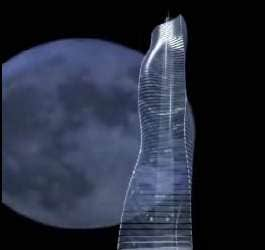
The Dynamic Architecture project was designed by David Fisher, a Florentine architect. The buildings will be constantly changing shape and will use wind energy, making it possible for a single tower to generate enough energy to power 10 towers.
The individual chambers that comprise each floor of the rotating jigsaw puzzle of a building are sent upwards like an elevator, creating the possibility for an entire floor to be put in place in three days.
The buildings look like a stack of slim silver discs, some that rotate separate of each other, the others in perfect sync, creating a swirling spiral of glimmering unison. They almost look like metallic strands of DNA.
If it's this hypnotic and mesmerizing in a computer graphic form, the real-life effects should be unbelievable. Sort of reminds me of the cheesy fountain shows at the Bellagio in Las Vegas.
Key Themes Behind This Trend
- Dynamic Architecture
- Innovative eco-architecture that changes shape using wind energy, creating disruption opportunities for the sustainable building industry.
- Self-powered Buildings
- Buildings that generate renewable energy through wind, enabling them to be self-sufficient and providing disruption opportunities for the energy industry.
- Efficient Construction
- New construction technologies that allow for faster and more efficient construction of buildings with unique designs, offering disruption opportunities for the construction industry.
Where This Applies
- Sustainable Building
- The sustainable building industry can utilize this innovation to create more eco-friendly buildings that are self-powered and constantly changing shape to adapt to environmental conditions.
- Renewable Energy
- The renewable energy industry can benefit from the self-powered buildings that generate renewable energy through wind, reducing the reliance on traditional energy sources.
- Construction
- The construction industry can adopt new technologies that allow for faster and more efficient construction of buildings with unique designs, providing cost-saving opportunities and streamlining the construction process.