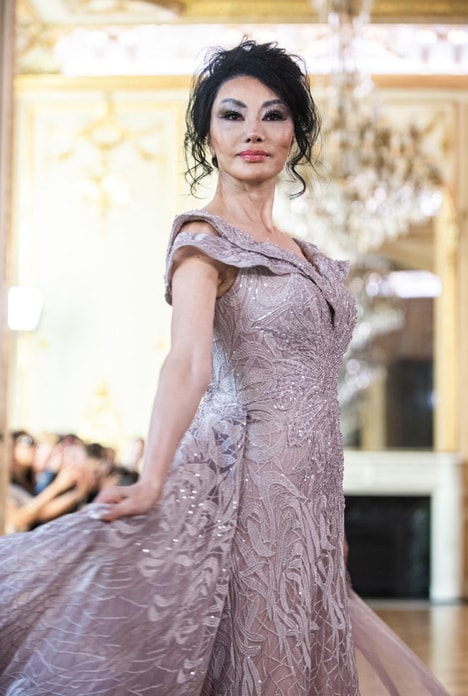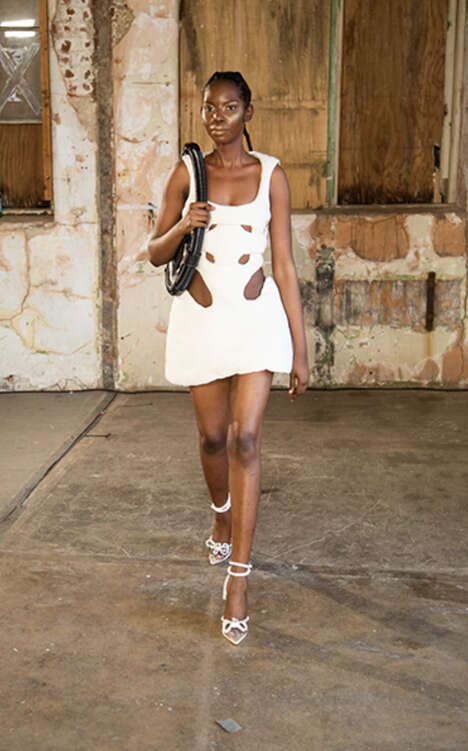
London Fashion Week is notorious for sickeningly slender models tramping up and down the catwalks in the latest designer goods; in an attempt to change that, Mark Fast’s plus-sized models rocked his runway, but not before causing a backlash of his staff that resulted in several people losing their jobs.
Mark Fast’s plus-sized models, ranging from a size twelve to a fourteen, accompanied the “regular” (and by regular, I mean the skeletal norm) models in an attempt to show that Fast’s garments could be worn by women of any size.
Unfortunately, not everyone accepted Fast’s plus-sized models. Indeed, one staffer was fired after being abusive to the full-figured models while another one quit in protest, and yet another one tried to squish them into fat-sucking in Spanx to create a slimmer silhouette. One has to give the designer points for trying.
Why This Trend Is Growing
- Body Positivity
- There is a growing trend towards embracing diverse body types, challenging the traditional standards of beauty in the fashion industry.
- Inclusive Fashion
- The demand for inclusive fashion is increasing, with consumers seeking brands that cater to a wider range of body sizes and shapes.
- Employee Activism
- The rise of employee activism is leading to conflicts and controversies within various industries, as employees take a stand on social issues.
Industries Being Reshaped
- Fashion
- The fashion industry has the opportunity to disrupt traditional beauty standards by embracing body positivity and offering inclusive fashion options for all sizes.
- Retail
- The retail industry can capitalize on the demand for inclusive fashion by stocking a diverse range of sizes and promoting body positivity in their campaigns.
- Human Resources
- Human resources departments in various industries need to address employee activism effectively to ensure a positive work environment and prevent staff conflicts.