
The Microsoft Rho-alpha, is a vision-language-action model designed to let robots interpret natural language commands and operate more effectively in real-world settings. Built from the company’s Phi open model series, the system translates spoken or written instructions into low-level control signals for robotic manipulators, featuring multimodal perception that blends visual and tactile inputs.
Rho-alpha was trained using a mix of real-world demonstrations, simulation data, and multistage reinforcement learning on Nvidia’s Isaac Sim framework. A Microsoft research video showed the model guiding a robot through BusyBox, a recently created physical interaction benchmark, by following conversational directions. The company has been testing the model on dual-arm systems and humanoid robots, with plans to release a detailed technical report.
Moreover, its combination of language understanding and tactile awareness supports more autonomous decision-making than narrowly scripted industrial robots, opening pathways for broader deployment across sectors such as logistics, manufacturing, and service robotics.
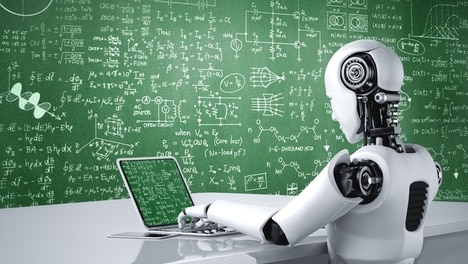
Image Credit: Shutterstock / Maglara
What Makes This Trend Stand Out
- Multimodal Robotics
- Integrating visual and tactile inputs, multimodal robotics enable more nuanced interactions with environments, enhancing robotic adaptability and versatility in complex tasks.
- Natural Language Command Processing
- Natural language command processing allows robots to follow conversational instructions, breaking barriers for non-technical users to control and interact with robotic systems fluently.
- Autonomous Decision-making in Robotics
- Enhanced autonomous decision-making capabilities in robots, driven by vision-language models, enable them to perform tasks without heavily pre-defined scripts, allowing for more dynamic operation in diverse settings.
Sectors Adopting This
- Logistics
- In the logistics industry, advanced robotics systems with improved autonomy and multimodal perception can optimize warehouse operations and last-mile delivery through intelligent task handling.
- Manufacturing
- Manufacturing industry stands to benefit from robots capable of adaptive, real-time task execution over rigid programming, potentially transforming assembly lines and custom production processes.
- Service Robotics
- Service robotics can further evolve with vision-language models, creating opportunities for robots to perform tasks in human-centric environments through improved interaction and communication.