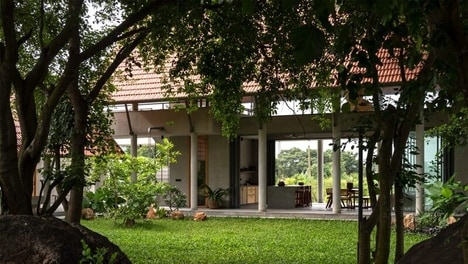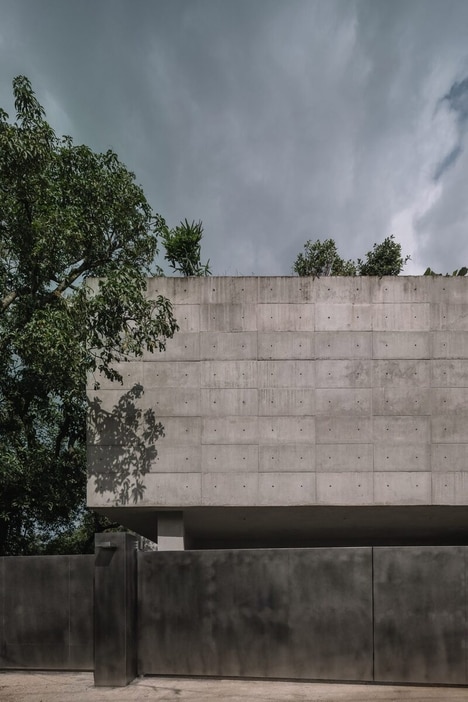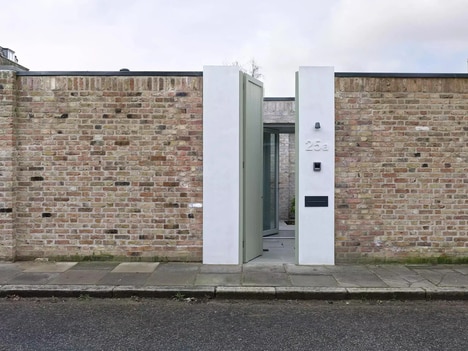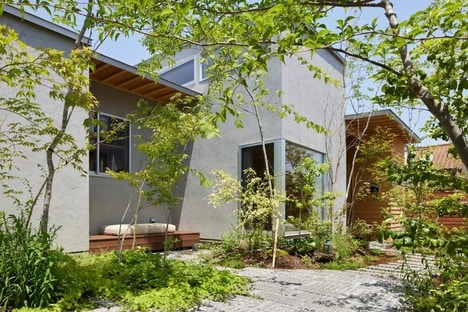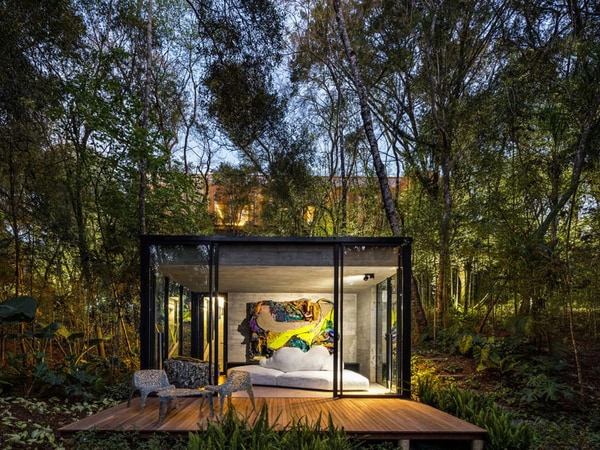
HW Studio, the Mexican architecture practice founded by Rogelio Vallejo Bores, has designed Kehai House, the architect's own residence in Morelia. This project stands as a profound exploration of emptiness, stillness, and humility.
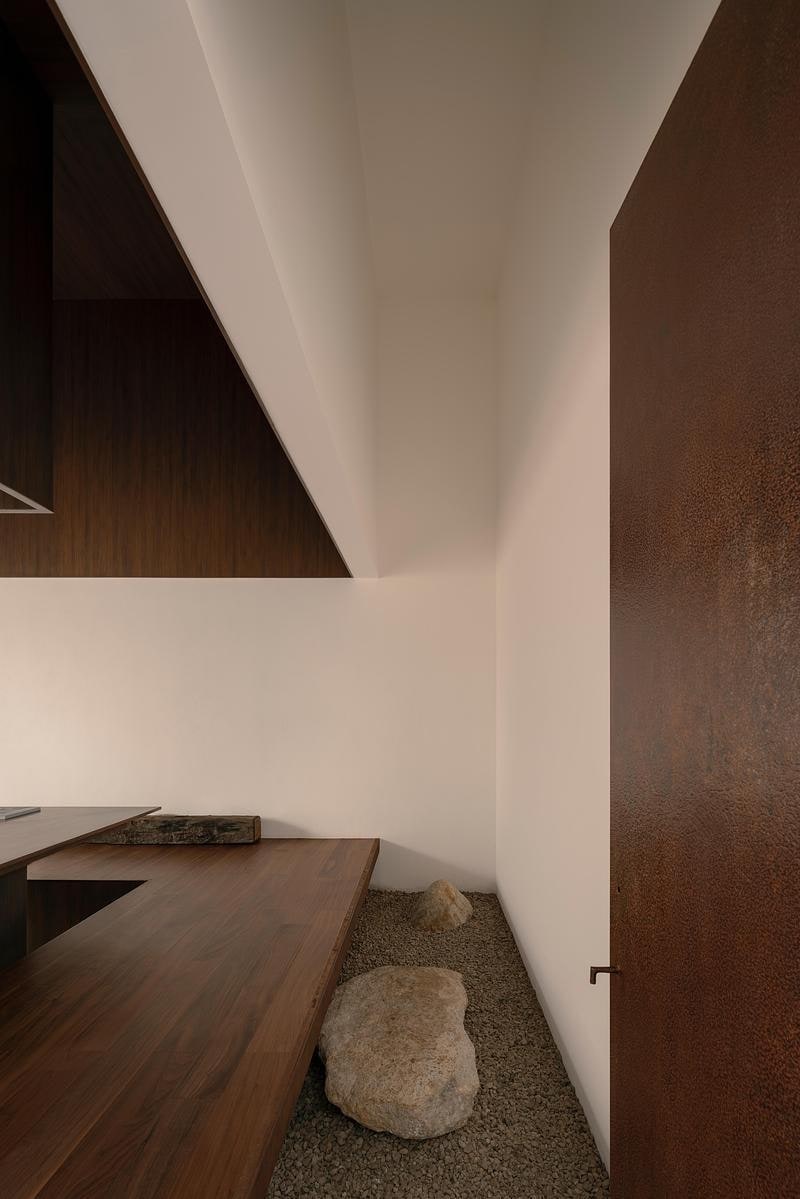
A stunning stone garden organizes the surrounding spaces like satellites orbiting a quiet core. The house, built on a modest budget of $82,000 and covering just 95 square meters, is conceived as a simple box from the exterior, but upon crossing the threshold, visitors encounter a carefully arranged gravel garden with two wooden platforms that accommodate pauses for contemplation. This element draws direct inspiration from the temples of Kyoto.
The Kehai House layout places the kitchen and dining area on one side of the garden and the living room on the other, with no covered hallway between them. Shoji doors made of rice paper filter light into the interior, softening it so that the day does not rush in but reclines. The bedroom, positioned above the main level, is a minimal, intimate space with a single circular window opening onto the foliage of a tree planted at the center of the garden.
Image Credit: Cesar Bejar
Why This Trend Is Growing
- Contemplative Micro-homes
- Compact residences with meditative courtyards and pared-back layouts create whitespace for premium wellness experiences in smaller urban footprints.
- Budget Minimalist Architecture
- Low-cost homes defined by restraint, simple forms, and atmospheric detailing signal new value models for design-led affordable housing.
- Garden-centered Living
- Interior plans organized around stone gardens, trees, and filtered light reveal demand for residences where nature functions as the emotional core.
Industries Being Reshaped
- Residential Architecture
- Architectural practices are finding differentiation in humble, highly intentional homes that trade excess square footage for sensory richness and spatial calm.
- Home Wellness
- The integration of silence, natural textures, and contemplative pause areas expands wellness beyond products into the structure of daily domestic life.
- Sustainable Building Materials
- Modest budgets and minimal palettes create openings for tactile, low-impact materials that deliver aesthetic depth without luxury-level construction costs.