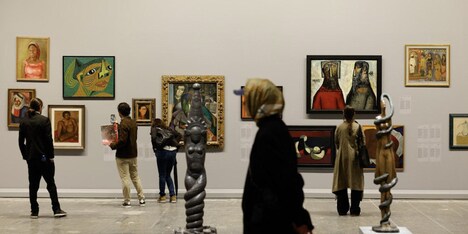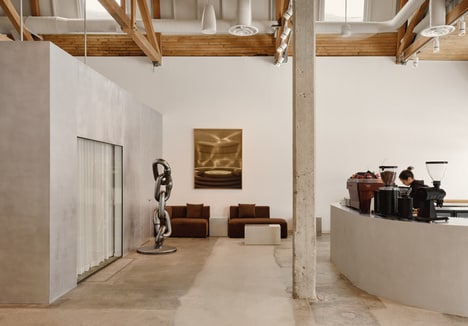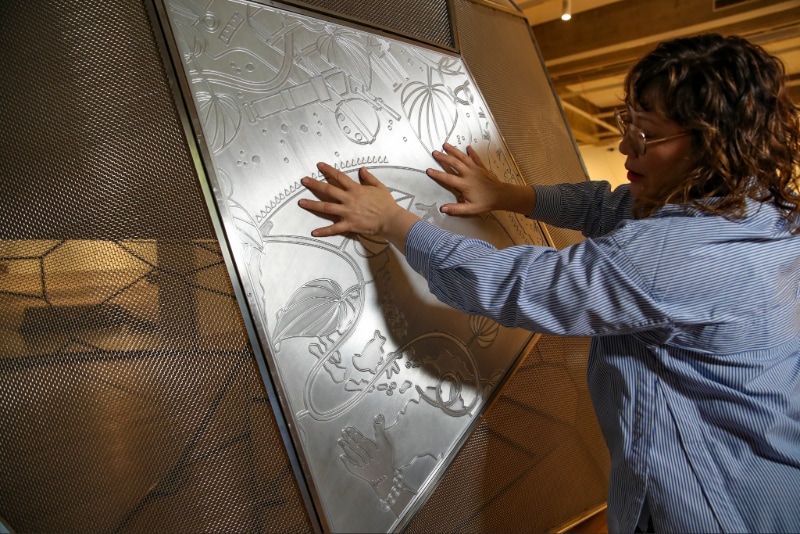
The Newcastle Art Gallery has introduced two accessibility-focused commissions as part of its expanded facility. The first initiative involves a digital guide named Nancy that provides audio, Auslan-interpreted video, and written descriptions for 24 stops throughout the ground floor collection. The second accessibility-focused feature is a series of architectural-scale sculptures by artist Fayen d'Evie that create a tactile veil around the original floating staircases, allowing visitors who are blind or have low vision to navigate the space safely while also offering braille and tactile versions of key artworks.
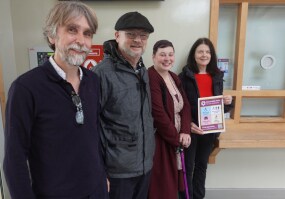
Newcastle Art Gallery Director Lauretta Morton shared: “From using an artistic and access-led solution to the physical challenge created by the space under the staircases for visitors who are blind or have low vision, to developing our first digital guide, which has already been accessed by more than 8,000 visitors, we are committed to collaborating with community members with lived experience to deliver better outcomes for everybody.”
Image Credit: Roni Bintang
What Makes This Trend Stand Out
- Multimodal Digital Guides
- Expanded audio, sign-language video, and written-description guides present opportunities for platform-agnostic content ecosystems that serve diverse sensory needs.
- Tactile Architectural Integration
- Physical artworks and sculptural interventions that double as navigational aids reveal potential for design-led wayfinding systems that embed accessibility into building fabric.
- Co-designed Accessibility Programs
- Collaborations with community members with lived experience indicate scope for participatory service models that improve usability and broaden audience engagement.
Sectors Adopting This
- Museums and Galleries
- Inclusive exhibition design and integrated sensory interpretation suggest new visitor experience offerings tailored to accessibility as a core programming pillar.
- Architecture and Public Spaces
- Adaptive structural features and tactile elements point to market demand for built-environment solutions that prioritize safe, legible circulation for people with diverse abilities.
- Assistive Tech and Software
- Platforms delivering synchronized audio, braille-compatible outputs, and sign-language video hint at opportunities for interoperable accessibility toolkits across cultural institutions.