



This hyper-condensed format provides a one-page snapshot of the highlights from your reports, giving you a bird's eye view of the top takeaways and insights.
For a brief and very high level view, this format solely features the Consumer Insight section of your report, ideal for a quick overview of the main takeaways in less than 30 slides.
Ideal for team meetings, ideation and brainstorming, this format incorporates all three report sections as outlined in the Classic format and features images and headlines for a much more visually focused report.
Our standard report format divides content into three sections: Consumer Insights which feature opportunities within a 1-5 year time frame, Clustered Lists for thorough competitor and market scoping and Individual Examples featuring best-in-class case studies.
This format includes all three report sections as featured in the Classic format (Consumer Insights, Clustered Lists and Examples) with article content included along with every idea for further reading.


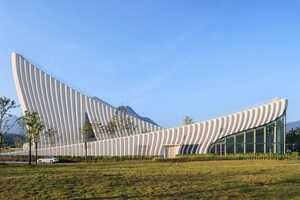
Insight - Modern lifestyles have undeniably disrupted natural ecosystems, prompting a growing number of consumers to scrutinize the environmental impact of their daily choices. In response, they are increasingly drawn to solutions that work with nature—materials and products that restore balance rather than cause harm. Brands that embrace such innovations can align with consumer values and exceed environmental standards, positioning them ahead of competitors in a sustainability-driven market.
Trend Themes
-
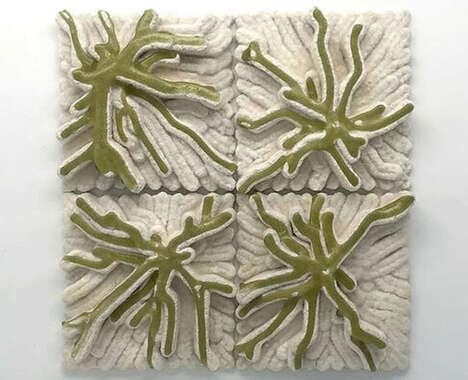
Mycelium-biobased Architecture — Biobased materials like mycelium are reshaping architectural norms by providing sustainable alternatives to conventional building materials.
-
Carbon-negative Innovations — The shift towards carbon-negative technologies exemplifies an environmental paradigm, prioritizing materials and processes that actively reduce carbon footprints.
-
Nature-tech Synergy — Innovations drawing parallels between natural systems like mycelium and digital technologies highlight opportunities to integrate ecological principles with advanced tech applications.
Industry Implications
-
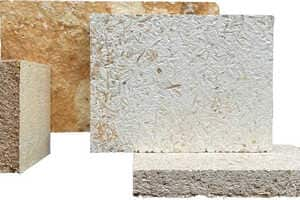
Green Building Materials — Incorporating eco-friendly building materials can revolutionize construction and architecture by reducing environmental impact and enhancing sustainability credentials.
-
Acoustic Design — Integrating sustainable materials into acoustic design offers a fresh landscape for developing sound-absorbing solutions that are both environmentally and aesthetically pleasing.
-
Eco-technology — Blending ecological principles with technological advancements creates fertile ground for innovations that recognize and mimic the underlying patterns of nature.




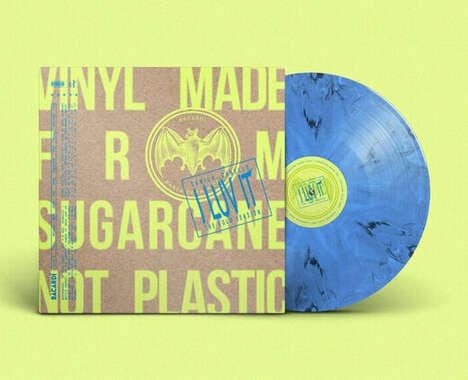
Insight - As climate change intensifies, consumers are looking to align their purchases and hobbies with sustainability goals to offset some of their environmental footprint. As a result, artists are prioritizing eco-friendly releases as an extension of their values and personal brand, aiming to garner support from socially conscious or younger fan bases. These musicians recognize that their target consumers are willing to support brands and artists that take visible steps toward sustainability goals.
Trend Themes
-
Eco-friendly Music Production — Clean technology advancements are allowing musicians to explore innovative methods of producing music releases with minimal environmental impact.
-
Bioplastic Innovations in Audio Formats — Emerging materials like bioplastics derived from sustainable sources are disrupting traditional audio product manufacturing by offering environmentally responsible alternatives.
-
Collaborative Sustainability Efforts — High-profile collaborations between artists and eco-conscious organizations are bringing attention to sustainable initiatives within the entertainment industry.
Industry Implications
-
Music Production — The music production industry is increasingly embracing sustainable practices, presenting opportunities for companies to develop eco-friendly alternatives to traditional production materials.
-
Sustainable Manufacturing — Sustainable manufacturing methods offer businesses the chance to reduce ecological impacts, particularly through low-carbon or recycled material innovations.
-
Environmental Technology — Industries focused on environmental technology are ripe for innovations that enable greener processes and products across various sectors, including entertainment and media.





Insight - Healthcare professionals increasingly desire uniforms that reflect their sustainable values, but often face limited options that are both reliable and sanitary. In response, companies are turning to eco-conscious design and materials, helping medical staff and businesses champion greener choices, even in the workplace. Brands that invest in sustainable garments can position themselves to connect with a growing audience actively looking to integrate sustainability into their everyday routines.
Trend Themes
-
Sustainable Material Integration — Innovative use of renewable resources like seaweed in medical apparel creates an opportunity to revolutionize fabric sourcing by reducing environmental impact while maintaining industry-standard functionality.
-
Functional Fashion in Healthcare — The development of thoughtfully designed healthcare garments with practical features like 3D-engineered patterns enhances user comfort and performance, blending aesthetic appeal with utility.
-
Eco-friendly Manufacturing Processes — Adopting production methods that significantly cut down on resource consumption reflects a growing trend where medical apparel companies can differentiate by aligning with ecological sustainability.
Industry Implications
-
Healthcare Apparel — Expansion of sustainable garment options in healthcare meets emerging consumer demands for ethical choices, opening up potential for market leaders to redefine industry standards.
-
Sustainable Textiles — Embracing innovative textiles that minimize environmental impact offers the textiles industry a pathway to cater to eco-conscious markets through durable, green alternatives.
-
Eco-driven Fashion — Cross-industry collaboration with sustainable fashion initiatives presents opportunities for brands to capitalize on the continuity of style, function, and environmental responsibility.





Insight - Eco-conscious travelers increasingly look for accommodations that reflect their values but often find it difficult to discover activities that support those same principles. In response, hotels and destinations are rolling out sustainable experiences, allowing guests to have fun while actively contributing to the preservation of local environments. These brands recognize that mindful travelers want a fulfilling vacation, not one that adds to the environmental pressures the region already faces.
Trend Themes
-
Eco-conscious Tourism — There's a growing demand for travel experiences that align with environmental values, leading businesses to develop eco-friendly initiatives that attract responsible tourists.
-
Sustainable Hospitality — The hospitality sector is innovating by integrating sustainable practices into guest offerings, responding to the heightened awareness of eco-friendly travelers.
-
Impact-driven Travel Activities — Tourism is shifting towards activities that minimize ecological footprints, providing businesses with opportunities to offer meaningful and responsible travel experiences.
Industry Implications
-
Travel and Tourism — The shift towards sustainable practices offers innovation opportunities for travel businesses to create responsible and eco-friendly tourism options.
-
Hospitality — Hotels and accommodations are increasingly finding value in offering eco-friendly services, thus becoming a cornerstone of sustainable tourism efforts.
-
Environmental Conservation — By collaborating with eco-tourism initiatives, conservation entities can enhance their preservation efforts through mutually beneficial partnerships with travel companies.



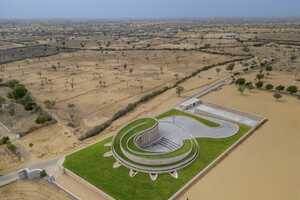
Their methodology combined literary analysis with ecological expertise to link named plants to present-day species and distributions. The findings indicate these grasslands persisted for at least 750 years, challenging assumptions that they were degraded forests and informing where reforestation may be inappropriate.
For consumers and policymakers, the work reframes conservation priorities by valuing native savanna ecosystems for biodiversity, cultural heritage and carbon storage, helping avoid one-size-fits-all tree-planting that could harm native landscapes.

Trend Themes
-
Literary-ecological Synthesis — Integrating literary analysis with ecological data opens new avenues for understanding historical ecosystems and informs present-day conservation strategies.
-
Cultural Heritage Valuation — Recognizing past cultural narratives enriches conservation priorities by emphasizing the preservation of ecosystems as cultural and environmental assets.
-
Biodiversity-driven Conservation — Prioritizing native savanna ecosystems for their biodiversity and ecological functions shifts traditional reforestation practices towards more tailored environmental stewardship.
Industry Implications
-
Ecological Consulting — This industry can leverage historical literary analysis to offer more informed and culturally sensitive conservation strategies.
-
Cultural Heritage Preservation — Uncovering the ecological insights embedded in cultural texts enhances the preservation of both natural and cultural heritage.
-
Sustainable Forestry Management — By understanding historically accurate vegetation, forestry management can align reforestation efforts with the preservation of traditional ecosystems.







The e-rickshaws are three-wheeled vehicles that travel at low speeds, making them safer for busy urban streets. Because they run on batteries rather than fuel, they also offer a cleaner, more sustainable alternative to traditional rickshaws and motorized vehicles. The pilot program was launched on Saturday morning through two separate events held in different parts of the city.
“To ensure discipline and safe travel, this BUET-designed e-rickshaw has been introduced on a pilot basis. It will soon be expanded across Dhaka,” said Muhammad Fouzul Kabir Khan, Road Transport and Bridges Advisor.

Trend Themes
-
Sustainable Urban Mobility — The adoption of battery-powered e-rickshaws in urban areas presents a greener alternative to traditional transportation, significantly reducing emissions in congested cities.
-
Safe Low-speed Transport — Low-speed electric rickshaws enhance safety on busy urban streets, offering a secure solution for short-distance travel while minimizing accidents.
-
Localized Clean Energy Solutions — The development of locally designed e-rickshaws highlights the potential for region-specific innovations in clean energy transportation, tailored to meet unique urban demands.
Industry Implications
-
Urban Transportation — The emergence of e-rickshaw pilots in dense cities like Dhaka opens up opportunities for urban transit systems to shift towards more environmentally friendly solutions.
-
Clean Tech — Innovations in battery-powered vehicles, such as e-rickshaws, underscore advancements in clean technology, promising shifts in energy use and emissions.
-
Automotive Manufacturing — Local development and design of e-rickshaws signify a transformation in automotive production, focusing on sustainable and adaptable vehicle solutions.







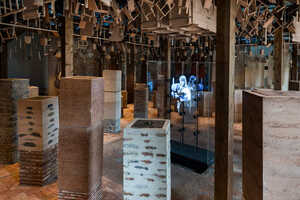
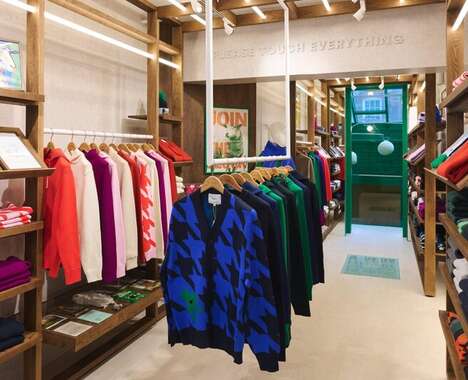
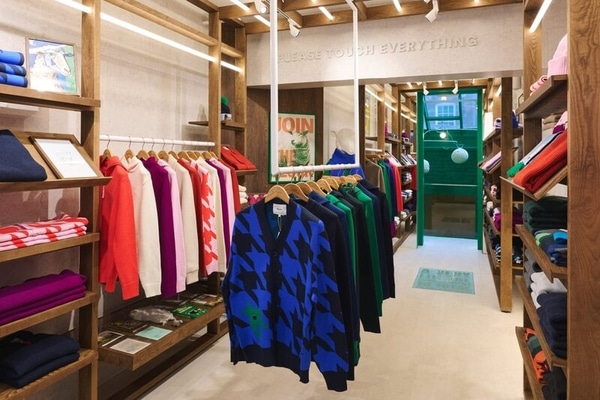
Display fixtures and furnishings are calibrated in scale to support both small accessories and larger garments, allowing flexibility in merchandising. Lighting is directed to accentuate key areas and enhance material contrasts across surfaces. The design emphasizes a balance between open space and sculpted elements, enabling clear sightlines while providing distinct spatial encounters as visitors move through the store. The project situates retail presentation within a visually orchestrated interior rather than a purely functional backdrop.


Trend Themes
-
Sculptural Retail Displays — Integrating artistic sculptural elements into retail spaces transforms the shopping experience into an immersive journey, challenging traditional display formats.
-
Multifunctional Merchandising Spaces — The adaptive design of display fixtures that accommodate both small and large products offers a dynamic and flexible merchandising strategy.
-
Visually Dynamic Interiors — Using layered planes and contrasting materials to organize and define retail zones creates visually stimulating environments that enhance customer engagement.
Industry Implications
-
Retail Design — Retail environments that prioritize artistic installations over conventional shelving foster innovation in store layout and customer interaction.
-
Interior Architecture — The emphasis on lighting and material contrasts invites new approaches to crafting engaging and functional spaces for commercial applications.
-
Visual Merchandising — Innovative visual merchandising techniques using dynamic, sculpted elements elevate the role of aesthetics in influencing consumer behavior.









President and CEO Emily Metz spoke on Incredibly Sustainable reporting tool saying, "Incredibly Sustainable is a first-of-its-kind innovation for the egg industry. The tool gives egg farmers a streamlined way to communicate their sustainability practices and demonstrate leadership in a changing marketplace. Just as importantly, it shows customers that America’s egg farmers are committed to providing the information they need most.”

Trend Themes
-
Sustainability Data Transparency — As businesses increasingly demand detailed sustainability data, tools that facilitate transparent sharing of environmental impact metrics become crucial.
-
Streamlined Reporting Solutions — The push for standardized sustainability reporting creates opportunities for platforms that offer seamless data consolidation and presentation for producers.
-
Eco-centric Consumer Communication — Consumers' growing interest in sustainability drives the need for tools that effectively communicate eco-friendly practices to the market.
Industry Implications
-
Agriculture Tech — Innovations in agricultural technology that focus on environmental metrics are gaining traction as producers seek efficient ways to meet customer demands for sustainability.
-
Data Analytics — The rise of sustainability-focused initiatives fuels the development of advanced analytics platforms tailored to tracking and reporting environmental data.
-
Sustainable Food Production — With an increasing emphasis on ecological practices, the sustainable food production industry sees growth opportunities in tools that verify and broadcast their green credentials.






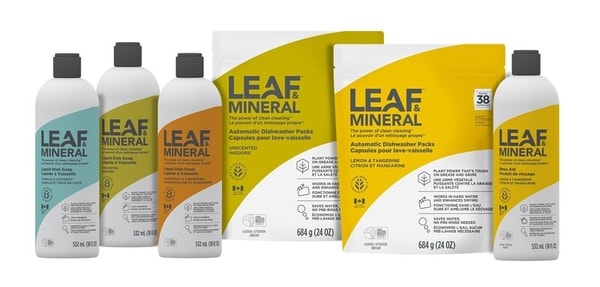
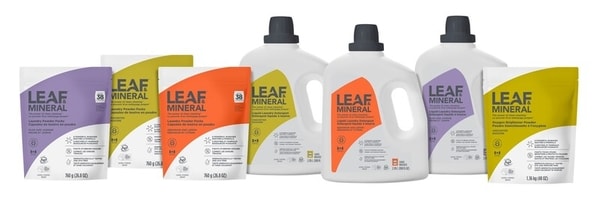
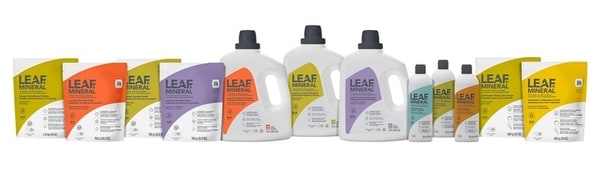
The Leaf & Mineral product range includes "Laundry Detergents, Laundry Powder Packs, Oxygen Whitening Solutions, Automatic Dishwasher Powder Packs, Rinse Aid, Liquid Dish Soap, and Fabric Softener Sheets." The company highlights third-party certifications for its biobased content, along with commitments to ingredient transparency, safety testing, and the exclusion of several chemical additives commonly found in mainstream products.

Trend Themes
-
Plant-based Cleaning Formulas — The rise of plant-based cleaning products taps into consumer demand for environmentally sustainable and effective cleaning solutions.
-
Affordability in Green Products — Providing green cleaning solutions at a lower price point challenges the notion that eco-friendly products must be premium priced.
-
Transparency and Safety Certifications — Increasing demand for transparency and safety certifications in household products drives innovation toward ingredient clarity and removal of harmful chemicals.
Industry Implications
-
Green Cleaning Products — The green cleaning products industry benefits from innovations in natural formulations that meet consumer demands for eco-friendliness and efficacy.
-
Eco-friendly Packaging — Advancements in sustainable packaging materials and designs align with consumer expectations for reduced environmental impact.
-
Biobased Ingredients Sector — The biobased ingredients sector sees growth as more companies seek natural alternatives to synthetic chemicals in product formulations.








The sustainability drive begins this year with Seoul Shilla Hotel and Jeju Shilla Hotel, both of which are set to achieve Green Key certification, an internationally recognized eco-label for hotels. Hotel Shilla’s long-term goal is to extend this achievement across all 20 of its properties, both domestically and internationally, establishing a consistent standard of environmental responsibility and sustainable hospitality throughout the brand.

Trend Themes
-
Green Certifications for Hotels — The push for Green Key certification highlights a growing trend among hotels to obtain eco-labels as a way to validate their sustainability efforts and appeal to environmentally conscious consumers.
-
Energy-conserving Technologies — Hotels are increasingly adopting energy-saving technologies, offering a promising landscape for advancements in smart energy management systems that can drastically cut utility expenses.
-
Sustainable Hospitality Initiatives — The shift towards sustainable hospitality practices reflects a broader trend as hotels develop comprehensive environmental strategies involving recycling and the use of eco-friendly products.
Industry Implications
-
Eco-hospitality — This industry is transforming as hotels incorporate green business practices, paving the way for companies that offer sustainable solutions tailored for hospitality operations.
-
Renewable Energy Solutions — With a rising focus on energy conservation, the demand within this industry is intensifying for innovations in renewable technologies suitable for high-energy operations like hotels.
-
Sustainable Product Manufacturing — Manufacturers producing eco-friendly hotel amenities and materials will find expanding opportunities in response to the hospitality sector's increasing demand for sustainable products.









Accommodations on the island reflect Dominica’s commitment to sustainable tourism, from eco-luxury cliffside villas with panoramic ocean views to riverside cottages nestled deep in the rainforest. Guests can also benefit from customized itineraries with the help of local guides. For visitors seeking a more authentic cultural experience, charming guesthouses in historic villages provide a glimpse into local life while maintaining comfort and sustainability.

Trend Themes
-
Eco-luxury Accommodations — The rise of eco-luxury accommodations on Dominica sets a precedent for combining high-end experiences with sustainable practices to attract environmentally-conscious travelers.
-
Wellness-focused Travel — With an emphasis on rejuvenating experiences, Dominica's tourism campaign taps into the growing demand for wellness-focused travel, appealing to those seeking to harmonize their travel with health and relaxation.
-
Custom Itinerary Experiences — Providing personalized travel itineraries crafted by local guides highlights a trend towards bespoke travel experiences that offer deeper cultural engagement.
Industry Implications
-
Ecotourism — Ecotourism gains momentum with campaigns like 'Nature of Love' that advocate for travel experiences aligned with environmental preservation and cultural engagement.
-
Sustainable Hospitality — The sustainable hospitality industry prospers as Dominica showcases accommodations blending eco-friendly design with luxurious guest experiences.
-
Cultural Tourism — Cultural tourism sees innovation through initiatives that integrate community-based experiences and sustainable practices, providing authentic local interactions for visitors.








Over time, the structure naturally breaks down, returning nutrients to the ground and leaving no waste behind. This closed-loop approach merges advanced fabrication with ecological stewardship, reducing reliance on synthetic materials and irrigation. By combining precision technology with nature’s logic, TreeSoil demonstrates how design innovation can nurture resilience and regeneration in reforestation and landscape restoration projects worldwide.
Trend Themes
-
Biodegradable Building Materials — Using biodegradable materials like local soil and natural binders for construction supports eco-friendly and waste-free innovations in architecture.
-
3d-printed Ecological Solutions — 3D printing technology in ecological applications offers precision design that adapts to environmental changes for sustainable growth systems.
-
Closed-loop Design Systems — Designing products with lifecycle completion in mind promotes sustainable innovation through the reduction of synthetic materials and creation of nutrient cycles.
Industry Implications
-
Eco-focused Construction — Incorporating sustainable elements such as biodegradable materials and adaptive designs revolutionizes the construction industry's environmental footprint.
-
Climate-adaptive Agriculture — Developing agricultural techniques that adapt to climate conditions emphasizes resilience in food production and plant growth strategies.
-
Environmental Restoration Services — The emphasis on ecological stewardship in restoration projects opens new opportunities for industries focused on sustainable landscape recovery.








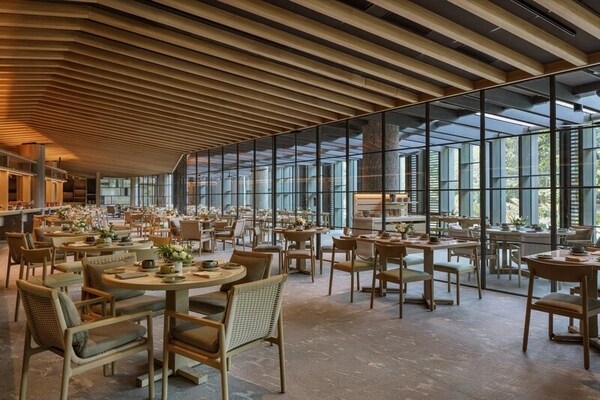
Green roofs, living facades, and open-air walkways connect built spaces with the surrounding reserve. Passive design strategies such as natural ventilation, solar energy systems, and rainwater harvesting help reduce the resort’s footprint, supporting its certification as a Green Mark Super Low Energy development. By embedding conservation into its layout and operations, the project redefines eco-luxury as a shared experience between guests and environment. WOW Architects presents the resort as both a retreat and a model for how architecture can contribute to regeneration.




Trend Themes
-
Regenerative Eco-resorts — The rise of regenerative eco-resorts like Mandai signifies a shift in hospitality where the focus is on regenerative practices that harmonize guest experiences with conservation efforts.
-
Passive Design Architecture — Adopting passive design principles such as natural ventilation and rainwater harvesting is emerging as a trend in architectural design aimed at minimizing environmental impact while enhancing sustainability.
-
Integration of Nature and Architecture — Projects that integrate natural elements like green roofs and living facades into architectural design offer innovative ways to blend human spaces seamlessly with natural ecosystems.
Industry Implications
-
Sustainable Hospitality — The sustainable hospitality industry is increasingly embracing designs that prioritize ecological sensitivity and energy efficiency, setting new standards for eco-luxury experiences.
-
Green Building and Construction — Green building and construction industries are being transformed by advancements in eco-friendly materials and energy-efficient building techniques inspired by natural ecosystems.
-
Ecotourism — The ecotourism industry is expanding with initiatives that create immersive experiences without compromising the preservation of natural habitats, highlighting a commitment to environmental education and conservation.









The collaboration focuses on creating cost-effective, durable alternatives to traditional corrugated boxes and cloth wraps, including options suitable for air transport and sensitive items like liquids. The new packaging is designed to be shock-resistant, ensuring parcels arrive safely across India’s extensive postal network.
The IIP will also work with India Post on a pricing approach paper that will highlight the costs incurred by the business as it transitions to sustainable packaging alternatives. This swap will be supported with training materials that educate staff on the benefits of sustainable packaging.

Trend Themes
-
Eco-friendly Packaging Solutions — Shifting to sustainable packaging materials presents an opportunity to revolutionize parcel delivery services with environmentally conscious options.
-
Durable and Cost-effective Alternatives — Developing cost-effective and durable packaging alternatives can enhance the mail delivery infrastructure, making it more resilient and efficient.
-
Shock-resistant Parcel Materials — Innovative shock-resistant packaging ensures the safe transport of sensitive items, providing a new standard for parcel safety during transit.
Industry Implications
-
Green Logistics — The logistics industry is poised for transformation as sustainable practices become central to operations, reducing environmental footprints.
-
Packaging Materials Innovation — The need for environmentally friendly packaging drives the evolution of material sciences in crafting sustainable alternatives.
-
Postal Services Evolution — Amid growing eco-awareness, postal services are integrating sustainable solutions to align with global environmental aspirations.









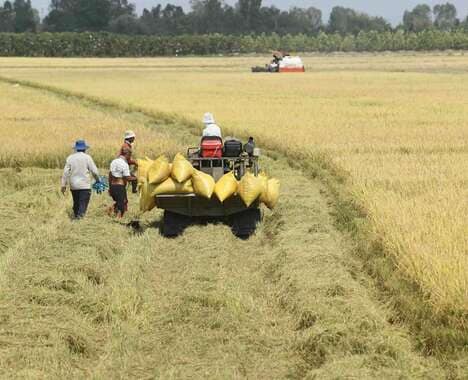
Operations Managing Director for Specialty Rice Ingredients Roland Vanhoegaerden spoke on the sustainable rice farming practices initiative saying, "This initiative clearly demonstrates Beneo's dedication to climate mitigation actions, sustainability and its proactive approach to addressing global challenges through innovative solutions. We are proud and excited to leverage Beneo’s longstanding expertise in producing and marketing functional ingredients in collaboration with our project partners and Vietnamese farmers to reduce the environmental impact of rice production."
Trend Themes
-
Sustainable Agriculture Training — The rise of sustainability-focused training programs for farmers highlights innovative opportunities to improve agricultural efficiency and environmental impact.
-
Collaborative Farming Initiatives — Partnership-driven approaches to agriculture are emerging, emphasizing the potential for multinational collaborations to drive sustainable advancements.
-
Climate-adaptive Farming Practices — New farming methods that address climate change adaptation are becoming crucial, offering paths to innovation in reducing environmental footprints.
Industry Implications
-
Agricultural Technology — The integration of technology in agriculture is essential, reflecting the opportunity for tech-driven solutions to boost sustainability in farming operations.
-
Food Ingredient Manufacturing — Companies specializing in food ingredients are well-positioned to innovate by incorporating sustainable practices in their production processes.
-
Environmental Consulting — The demand for expertise in environmental management is growing, highlighting chances for innovation in consulting services focused on sustainable agriculture.