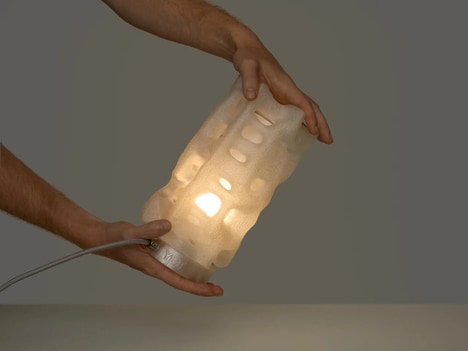
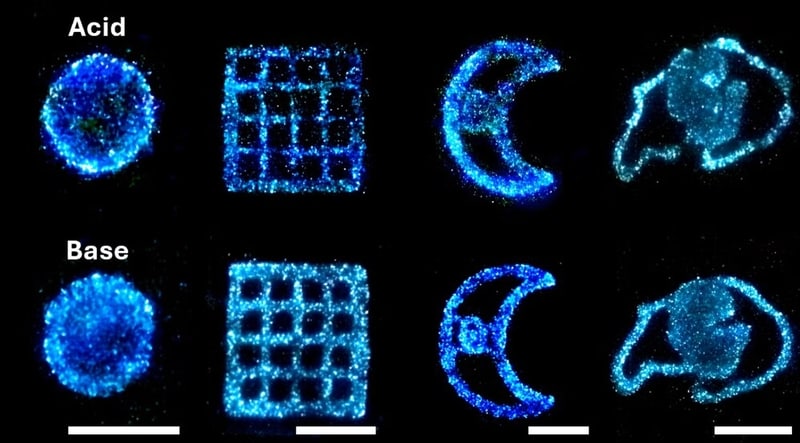
Bioluminescent living materials are introducing new possibilities for sustainable lighting and bioengineered design. Researchers at CU Boulder developed a method to sustain glowing algae for extended periods by exposing the organisms to specific chemical environments. The algae were embedded into 3D-printed hydrogel structures, allowing the living material to emit blue light while remaining alive for weeks. Unlike traditional lighting systems that rely on electricity and carbon-emitting energy sources, these algae-powered materials use photosynthesis, seawater, sunlight, and carbon dioxide to function.
The development could influence industries ranging from robotics to environmental monitoring and smart infrastructure. Living light systems may eventually support low-energy illumination for deep-sea exploration, space missions, and autonomous technologies operating in remote environments. The ability to create carbon-absorbing lighting materials also aligns with growing demand for sustainable alternatives in construction, entertainment, and urban design, potentially reshaping how future environments are illuminated and monitored.
Image Credit: CU Boulder/Giulia Brachi
What's Driving This Trend
- Sustainable Living Lighting
- A potential replacement for electric lighting in low-power settings that combines illumination with passive carbon capture and photosynthetic maintenance.
- Biohybrid 3d-printed Materials
- Platforms that embed living algae into hydrogel structures enabling customizable, self-regenerating components with integrated light emission.
- Autonomous Environmental Sensing
- Integration of bioluminescent materials into remote systems where self-powered light sources provide persistent visual cues and environmental feedback.
Who This Affects Most
- Construction and Urban Design
- Façade panels and streetscape elements that provide ambient illumination while absorbing CO2 could transform building envelopes into active, climate-positive surfaces.
- Deep-sea Exploration and Marine Research
- Lighting systems based on living algae that operate on photosynthesis and seawater chemistry offer low-energy illumination suited to long-duration, remote underwater platforms.
- Space Systems and Exploration
- Light-emitting living materials that rely on sunlight and carbon dioxide present opportunities for compact, renewable illumination and life-support synergies in off-world habitats.