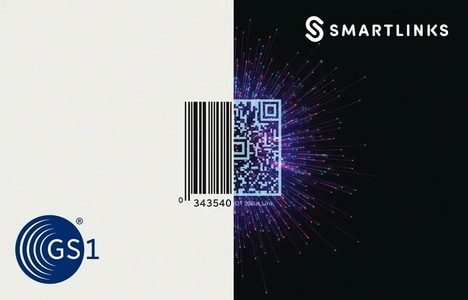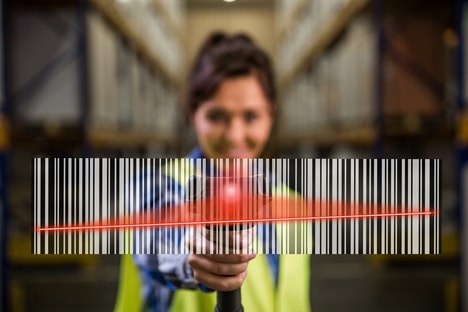
Markem-Imaje and iFoodDS have formed a partnership to help food suppliers comply with the FSMA 204 traceability regulation. Through this collaboration, the business enable he printing of GS1-compliant barcodes on every case that encode lot codes, location information, and other required data elements. The planned integration will automatically capture this information in iFoodDS Trace Exchange without manual entry.
With a standardized barcode acting as a data bridge, if a specific case of leafy greens or cut fruit is found to harbor a pathogen, the retailer can pinpoint only the affected cases rather than emptying entire refrigerated sections. For smaller food suppliers who lack large IT departments, the ability to generate compliant labels using standardized templates without requiring enterprise resource planning integration means they are more likely to adopt the system, which in turn gives consumers confidence that even products from small local farms carry the same traceability as those from multinational corporations.
This article was written with the assistance of AI.
Image Credit: Markem-Imaje and iFoodDS
What Makes This Trend Stand Out
- Barcode-enabled Traceability
- Widespread adoption of GS1-compliant case barcodes enables pinpointed recalls and granular trace data that can redefine contamination response timelines.
- Standardized Label Templates
- Standard templates for compliant labels lower the technical barrier for small suppliers and open pathways for mass-market interoperability across diverse producer scales.
- Cloud-based Trace Exchange Automation
- Automated capture of label data into cloud trace-exchange platforms creates a single source of truth that supports faster analytics and cross-stakeholder transparency.
Sectors Adopting This
- Fresh Produce Supply Chain
- Enhanced case-level traceability can shift supply-chain economics by enabling targeted recalls and reducing spoilage-related waste throughout the distribution network.
- Small-scale Farming & Co-ops
- Access to templated labeling and integrated trace exchanges levels competitive capability for small producers and could transform market trust in local brands.
- Retail Grocery Chains
- Retailers stand to benefit from case-specific trace data that permits selective inventory holds and improves shelf-level risk management without broad product removals.