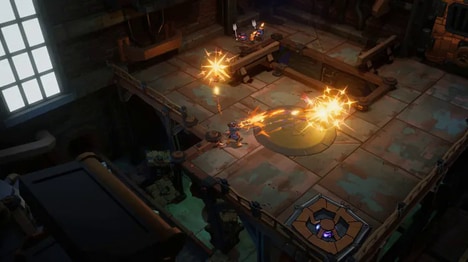
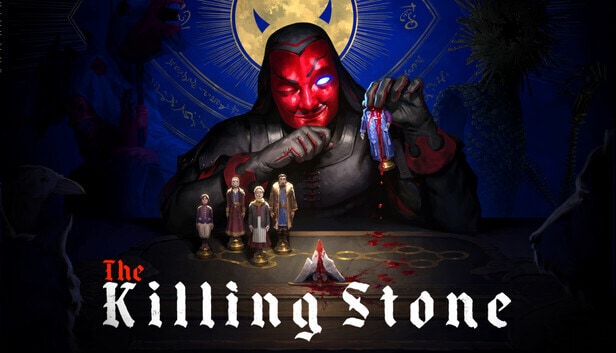
The Killing Stone, the Inscryption-inspired card battler from writer/director Jordan Thomas (BioShock, Thief: Deadly Shadows), is shifting its February 18 release from a full 1.0 launch to early access. The decision stems from playtester feedback pointing to strong investment in the game's narrative layer — a mystery-driven story told through interactive conversations in both modern and 17th-century English, voiced by Liam O'Brien and Emma Gregory of Critical Role and Baldur's Gate 3 fame.
The early access build will include all optional missions, three primary story arcs, and three demon lord opponents. What's being held back is the endgame arc, called The Reckoning, which will ship with the full 1.0 release later this year. Rather than a setback, the move reads as a deliberate bet on story quality — a signal that The Killing Stone is leaning hard into the narrative ambitions that set it apart from the genre's more mechanics-first entries.
What's Driving This Trend
- Narrative-first Game Design
- Games prioritizing layered mysteries and conversational storytelling over pure mechanics create space for emergent franchise IPs that blend serialized narrative with player-driven discovery.
- Early-access Story Development
- Releasing unfinished narrative arcs in early access fosters iterative plot refinement based on player reactions, enabling longer-term engagement models tied to evolving story content.
- Historical-modern Language Fusion
- Integrating period-specific dialects alongside contemporary speech produces distinctive tonal experiences that can differentiate titles through linguistic worldbuilding and voice performance.
Who This Affects Most
- Video Game Development
- Indie and mid-tier studios can reconfigure production pipelines to treat narrative as a live service component, altering milestone and monetization structures around episodic storytelling.
- Interactive Storytelling Platforms
- Platforms that support branching dialogue, versioned updates, and community feedback loops can become hubs for serialized narrative games that iterate in public.
- Voice Acting and Audio Production
- High-profile voice talent paired with nuanced historical dialogue creates demand for specialized casting, direction, and audio postproduction services tailored to hybrid-genre games.