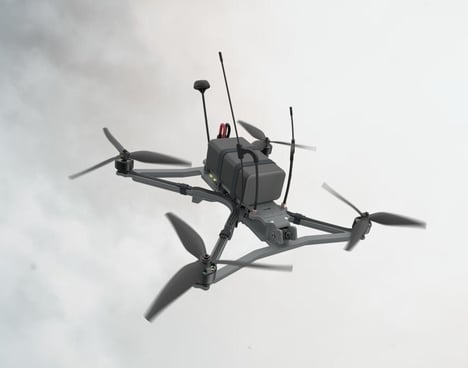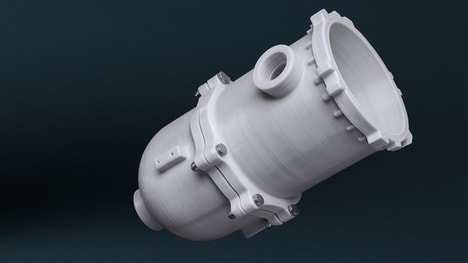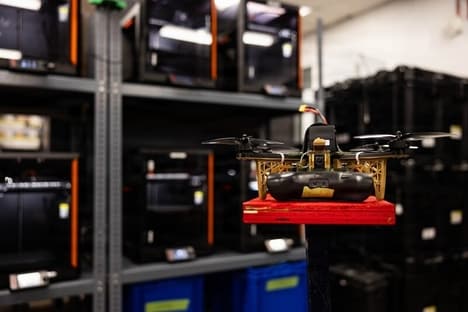

The Forge is a deployable advanced manufacturing team operated by US Indo-Pacific Command, built around a Schofield Barracks facility equipped with 3D printers and rapid fabrication systems designed to produce mission-critical parts on site. Established in summer 2025, the unit was deployed to the Philippines during the Balikatan exercise, where it set up a temporary manufacturing workshop inside a jungle training-area warehouse to deliver replacement parts faster than conventional supply chains.
During the three-week exercise, the team completed 36 fabrication jobs, including reverse-engineered bolts and a 3D-printed adapter that resolved failures involving bipods for the Army’s M250 machine gun. According to reports, the effort reduced lead times from several weeks to a matter of days while generating savings of more than $20,000. The Forge also operated within restrictions on foreign arms manufacturing by sharing digital design files that allowed allied partners to produce approved components locally.
For military personnel and allied forces, The Forge demonstrates how portable digital manufacturing can reduce logistical bottlenecks, accelerate equipment repairs and strengthen operational resilience in expeditionary environments.
Image Credit: INDOPACOM
Why This Trend Is Growing
- Deployable Digital Manufacturing
- Portable fabrication units that integrate 3D printers and rapid machining enable near-immediate replacement-part production in austere environments, compressing traditional supply timelines.
- Onsite Reverse Engineering
- Field-capable reverse-engineering workflows allow bespoke recreation of legacy or damaged components without reliance on original manufacturers, reducing single-source dependencies.
- Distributed Design File Sharing
- Secure transfer and local execution of validated digital blueprints enable allied partners to manufacture approved parts regionally while maintaining compliance with export restrictions.
Industries Being Reshaped
- Defense Logistics
- Military supply chains stand to gain resilient, decentralized repair capacity that diminishes vulnerability to disrupted transportation routes and chokepoints.
- Humanitarian Relief
- Disaster-response operations could benefit from on-site production of critical infrastructure components and tools when conventional supply lines are compromised.
- Aerospace Maintenance
- Aircraft maintenance and repair operations could leverage portable fabrication to address unexpected part failures during deployments or remote operations, shortening aircraft downtime.