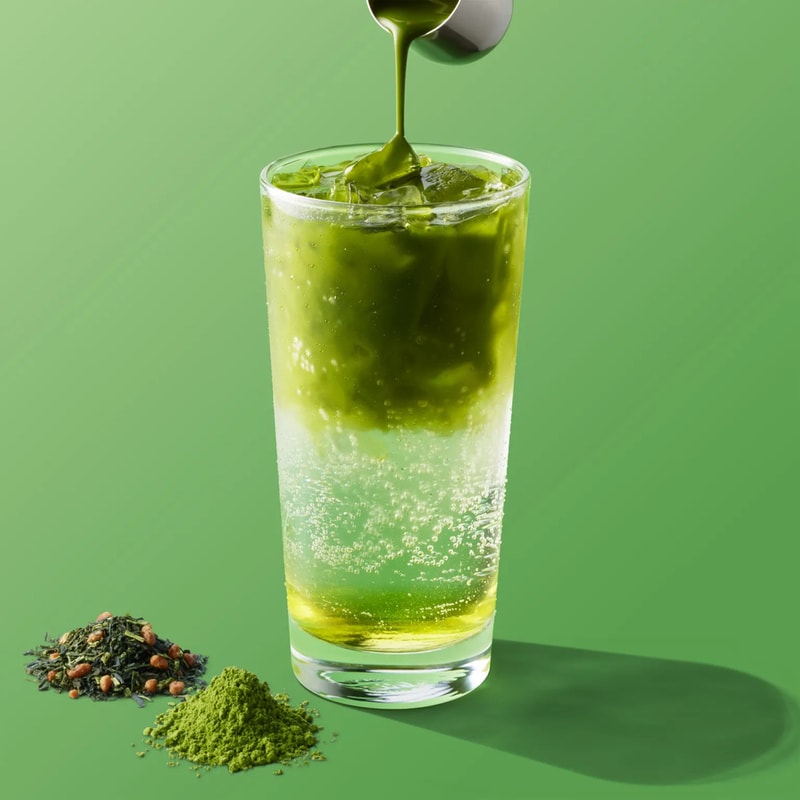
This spring, Starbucks Japan is serving up a series of sensorial drink experiences, including the Sencha Matcha Green Tea Sparkling, which matches a sencha matcha base with bubbly refreshment. This aesthetically pleasing drink also features a touch of green citrus-flavored syrup for a lighter finish and a touch of sweetness.
Starbucks Japan is also introducing another sensorial beverage, a Sencha Matcha Tea Frappuccino with Warabi Mochi, which builds on the original sencha-infused blended tea and matcha with black sugar syrup mousse, kuromitsu syrup and a light dusting of roasted soybean flour. There's also the all-white, sweet and simple Sencha Matcha Craft Tea Latte that matches the original sencha blend with milk. What all of these drinks share in common is a friendly introduction to Japanese tea and an energizing lift.
What Makes This Trend Stand Out
- Sensorial Beverage Experiences
- Elevates drinks into multi-sensory offerings that blend aroma, mouthfeel and visual design to create premium moments of consumption.
- Hybrid Tea Carbonation
- Combines traditional tea provenance with sparkling formats to reposition heritage ingredients toward refreshment-focused consumption occasions.
- Texture-forward Confectionary Beverages
- Integrates chewy or mousse-like elements into drinks to blur the line between desserts and beverages, reshaping expectations for mouthfeel.
Sectors Adopting This
- Coffee and Cafe Retail
- Places a premium on limited-run, locally inspired menu innovations that drive foot traffic and brand differentiation through experiential offerings.
- Non-alcoholic Sparkling Beverage Manufacturers
- Sees potential in reformulating carbonated portfolios with botanical teas and light syrups to capture health-conscious refreshment seekers.
- Ingredient and Flavor Technology Suppliers
- Benefits from demand for stable textural inclusions, natural syrups and roasted-flour dustings that enable novel sensory profiles at scale.