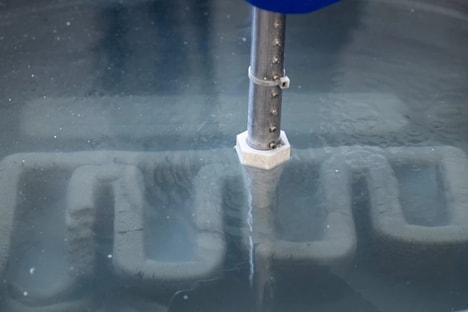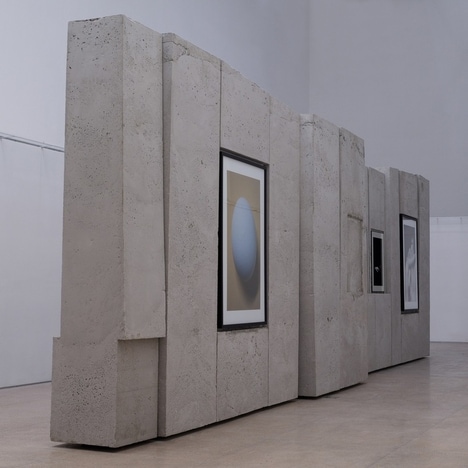
Autodesk Research and Additive Tectonics introduced a 3D-printed floor system that combines permanent printed formwork with alternative materials, featuring econitWood upcycled wood-mineral formwork and a potassium-activated geopolymer mortar. The project used Selective Cement Activation (SCA), a particle-bed process that binds dry mineral powder in layers, designed and analyzed with Autodesk Inventor Nastran to optimize ribbed geometry.
Flax fiber reinforcement replaced steel rebar, robotically wound along continuous paths inside the complex formwork to provide tensile strength while reducing weight. The system targeted wasteful single-use formwork, material overuse in flat slabs and embodied carbon from cement and steel, producing a lighter, stronger slab. For builders and designers this approach promises lower carbon footprints, reduced material waste and integrated service opportunities, aligning with broader trends in low-carbon, additive construction methods.
Image Credit: Additive Tectonics
What Makes This Trend Stand Out
- Selective Cement Activation
- A particle-bed binding process enabling layer-wise geopolymerization that could disrupt conventional cast-in-place concrete by decoupling formwork from structural material systems.
- Upcycled Wood-mineral Formwork
- Permanent econitWood formwork combining recycled wood and mineral binders that presents potential to replace single-use timber shuttering and lower embodied carbon in slabs.
- Flax Fiber Reinforcement
- Continuous robotically wound flax fibers substituting steel rebar offer the prospect of lighter, corrosion-resistant reinforcement systems with markedly reduced carbon intensity.
Sectors Adopting This
- Commercial Construction
- Large-scale building projects may see floor systems optimized for material efficiency and lower lifecycle emissions through integrated printed formwork and geopolymer mortars.
- Prefabrication and Modular Building
- Offsite manufacturing workflows could integrate selective cement printing and upcycled formwork to produce lighter, transportable slab modules with embedded services.
- Sustainable Materials Manufacturing
- Producers of binders and reinforcement fibers face opportunities to develop standardized geopolymer mixes and bio-based composite reinforcements tailored for additive construction processes.