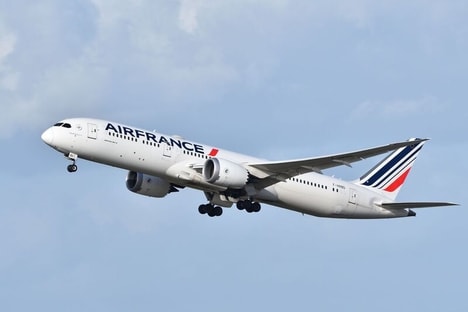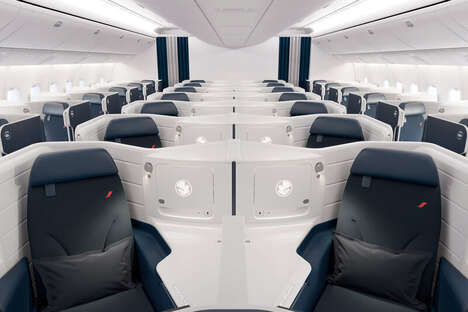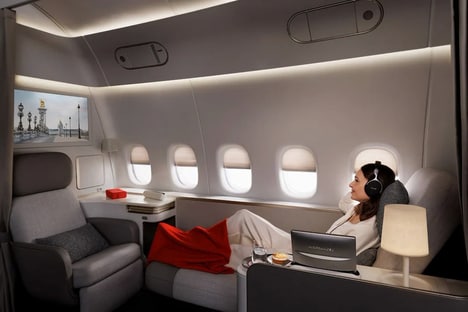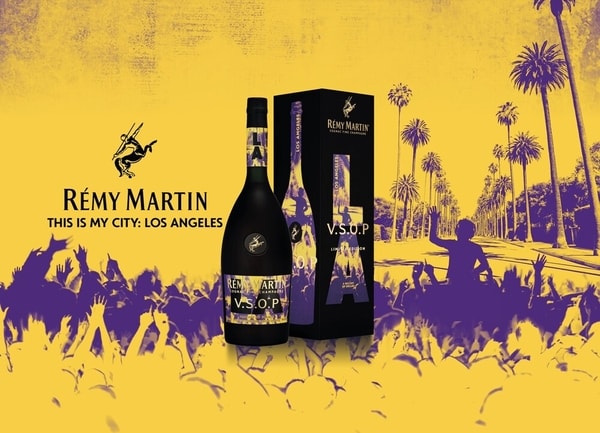
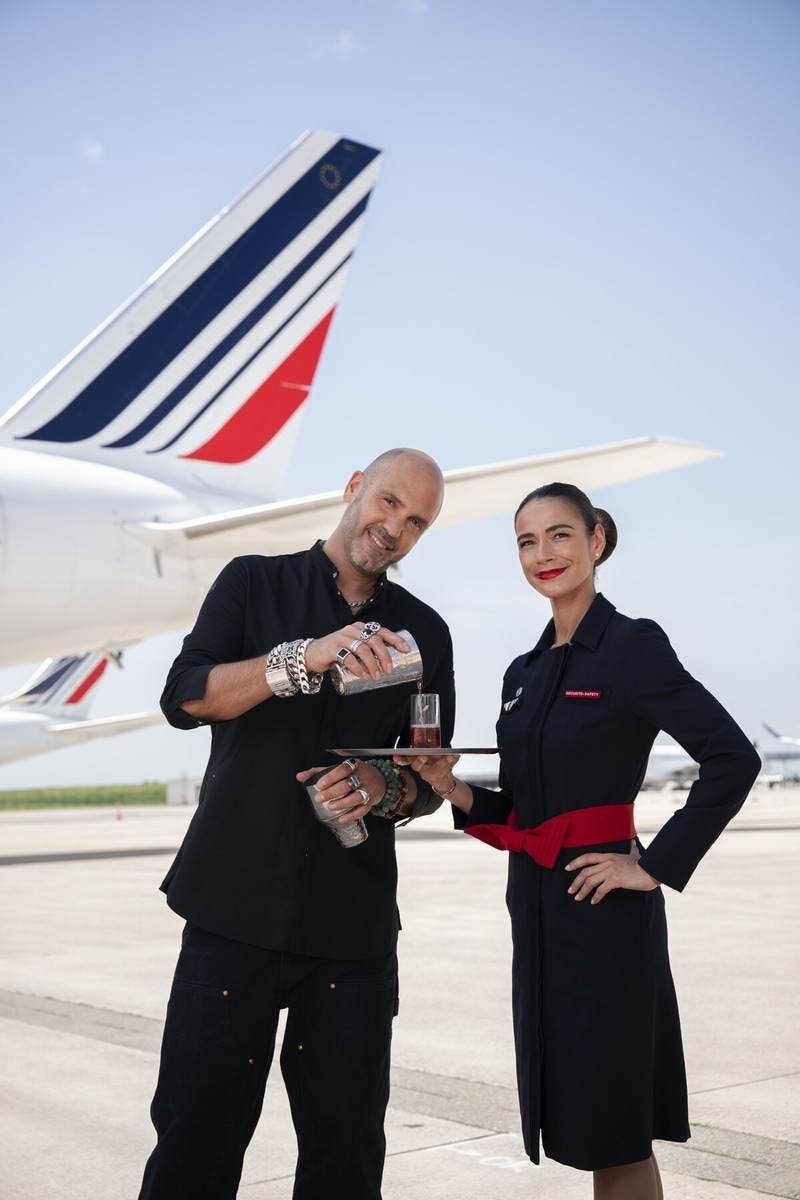
This summer, a new cocktail offer will be available on all of Air France's long-haul flights, and guests in the long-haul Business cabin can experience Quintessence as part of the airline's ongoing collaboration with chef mixologist Matthias Giroud. This new and exclusive signature cocktail is a modern reinterpretation of the Boulevardier, a classic that originated in France in the 1920s. Enjoyed without ice at the end of the meal, as a digestif, the Quintessence cocktail shares an experience of French cognac with red Vermouth, an Alpine bitter liqueur, and a touch of fig.
From July 1st, guests in Air France Premium and Economy cabins can savor Giroud's L’instant Cassis, a modern twist on the iconic Kir Cassis, with a blend of Chardonnay and Burgundy blackcurrant liqueur, enhanced with a hint of elderflower.
What's Driving This Trend
- Signature Inflight Mixology
- Airlines are turning premium cabin beverage menus into branded hospitality experiences through chef-led cocktails that differentiate long-haul travel beyond seating and service.
- Heritage Cocktail Reinvention
- Classic regional drinks are being reformulated with contemporary flavor profiles, creating room for nostalgic products that feel exclusive, premium, and culturally rooted.
- Cabin-class Beverage Personalization
- Tiered cocktail offerings across business, premium, and economy cabins suggest new value models where tailored food and drink experiences enhance perceived service quality.
Who This Affects Most
- Air Travel
- Long-haul carriers can use curated onboard beverages as a competitive service layer that strengthens loyalty and premium positioning.
- Spirits and Liqueurs
- Cognac, vermouth, cassis, and bitters producers gain new relevance through airline partnerships that introduce travelers to destination-linked drinking rituals.
- Hospitality Services
- Chef and mixologist collaborations in transit environments expand luxury hospitality into settings traditionally defined by operational efficiency rather than sensory experience.