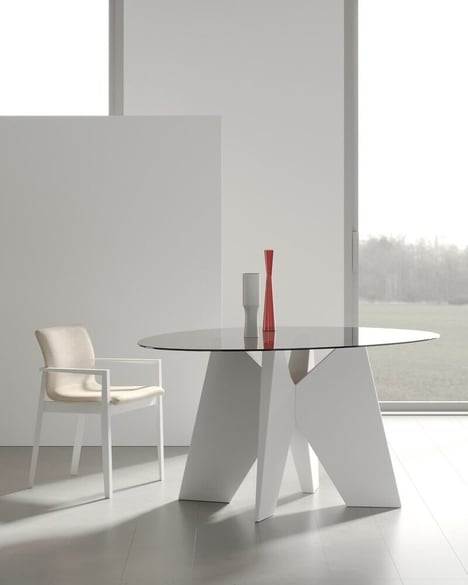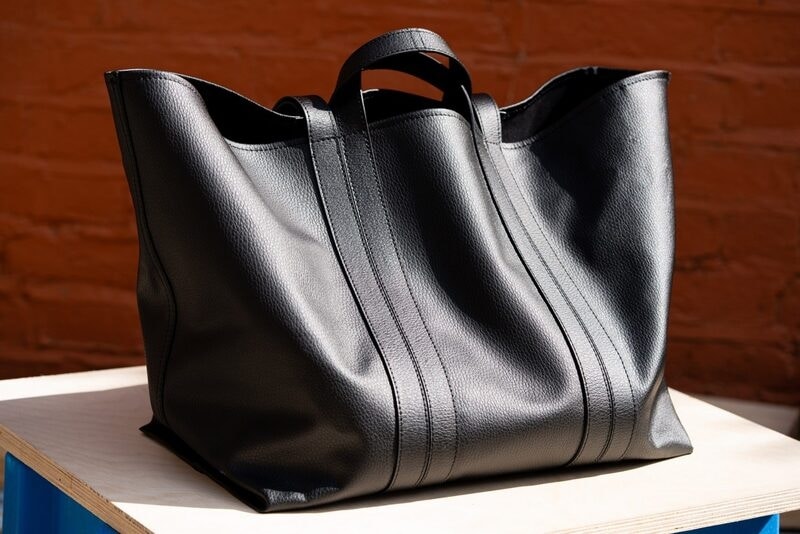
The New Grain material is a plastic-free leather alternative developed by London-based Arda Biomaterials using spent grain from beer and whisky production. The material is created from brewers’ spent grain, a protein-rich byproduct that is typically downcycled into animal feed or discarded. Arda’s process restructures these plant proteins into a durable, flexible sheet that replicates the fibrous structure and performance characteristics of animal leather without relying on synthetic coatings or petrochemicals.
Unlike many vegan leathers that depend on polyurethane or PVC, New Grain avoids plastic binders entirely. The resulting material can be tuned for thickness, softness, and surface texture depending on its intended application, including fashion accessories, furniture, and automotive interiors. Arda Biomaterials positions the material as a scalable solution that supports circular manufacturing by transforming food industry waste into a high-value material designed for long-term use.
Image Credit: Arda
Why This Trend Is Growing
- Upcycled Biomaterials
- A shift toward converting nutrient-rich food industry byproducts into engineered materials that rival traditional textiles and leathers in performance and durability.
- Plastic-free Vegan Leather
- Materials that replicate animal leather properties without polyurethane or PVC coatings, enabling truly synthetic-free alternatives for premium products.
- Circular Food-waste Valorization
- Revalorization of brewing and distilling residues into high-value, tunable sheets that close resource loops between food production and material manufacturing.
Industries Being Reshaped
- Fashion Accessories
- Premium handbag and footwear segments exploring biodegradable, high-performance leathers derived from agricultural waste as a way to differentiate on sustainability and material provenance.
- Automotive Interiors
- Seat, trim, and panel applications that demand durable, low-emission, and plastic-free coverings compatible with long lifecycle and luxury feel requirements.
- Furniture and Upholstery
- Contract and residential furniture markets seeking alternative upholstery materials that offer tunable texture and robustness while reducing reliance on petrochemical-based coatings.