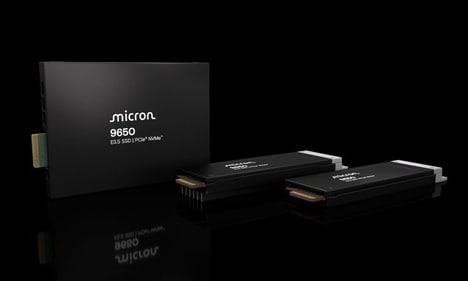
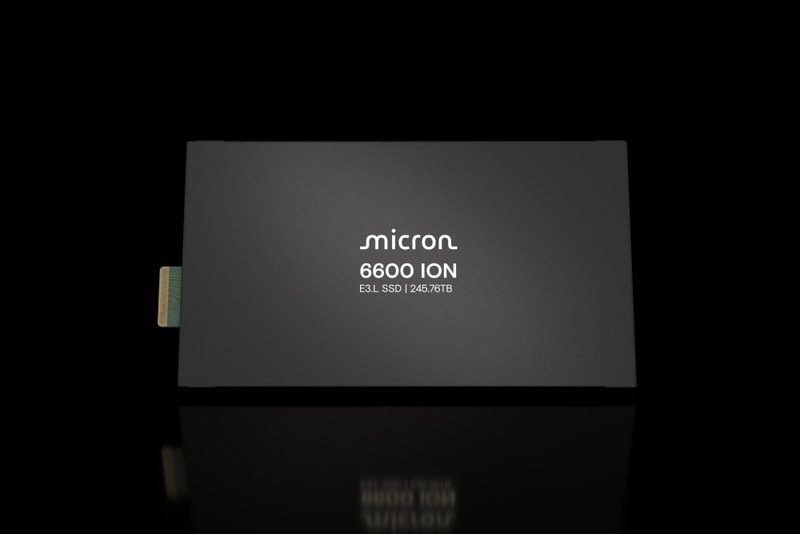
Ultra-Dense AI Storage is reshaping how data centers manage the rapid growth of artificial intelligence workloads and large-scale cloud computing. Micron’s new 245TB SSD reflects a major shift toward high-capacity solid-state storage systems that can process massive datasets while reducing physical infrastructure demands. By replacing traditional hard-disk-based deployments with fewer, denser SSD units, the technology helps lower power consumption, cooling requirements, and operational complexity in AI-driven environments. The system is also designed to improve data ingestion speeds and reduce latency for enterprise and hyperscale computing tasks.
For businesses, the development highlights how storage efficiency is becoming a critical competitive advantage as AI adoption expands globally. Data center operators are increasingly prioritizing rack-level optimization and sustainability alongside computing performance. Companies that deliver higher-capacity, energy-efficient infrastructure may gain stronger positioning in AI, cloud storage, and enterprise computing markets where power availability and operating costs are growing concerns.
Image Credit: Micron
Key Themes Behind This Trend
- Ultra-dense Storage
- Consolidation of vastly higher-capacity SSDs allows data centers to drastically reduce physical rack counts and reconfigure floor plans for AI workloads.
- Rack-level Optimization
- A shift toward optimizing density per rack is creating novel system architectures that prioritize throughput and latency over traditional server-per-function designs.
- Energy-efficient Infrastructure
- Growing emphasis on power and cooling efficiency is driving designs that pair high-capacity storage with lower thermal and energy footprints for large-scale compute environments.
Where This Applies
- Hyperscale Cloud Providers
- Providers operating at massive scale can materially cut real estate and operational costs by adopting denser storage platforms that alter data center sizing models.
- Enterprise AI Platforms
- AI platform vendors stand to benefit from reduced ingestion latency and simplified on-premises deployment topologies enabled by ultra-high-density storage.
- Data Center Cooling-power Systems
- Companies focused on thermal management and power distribution may see demand for new low-footprint solutions as storage density increases and cooling profiles change.