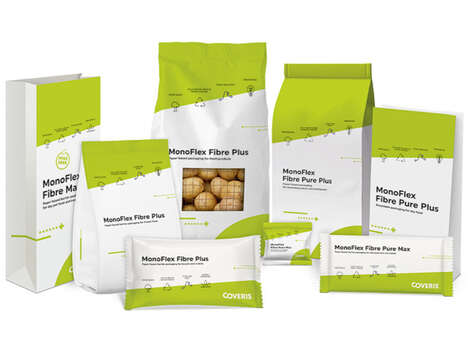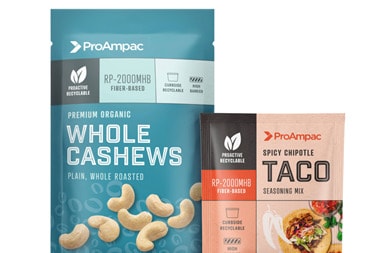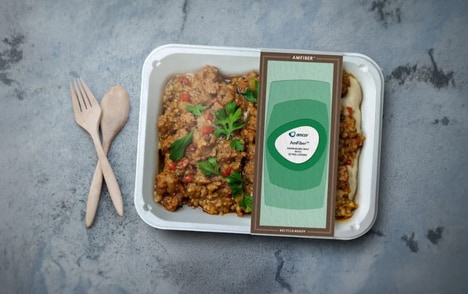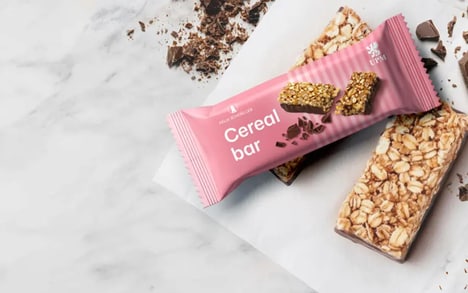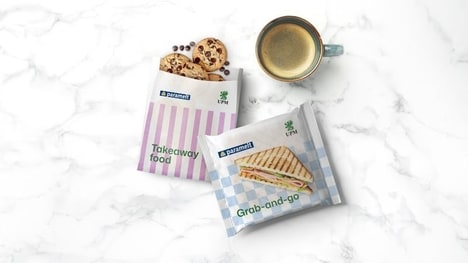
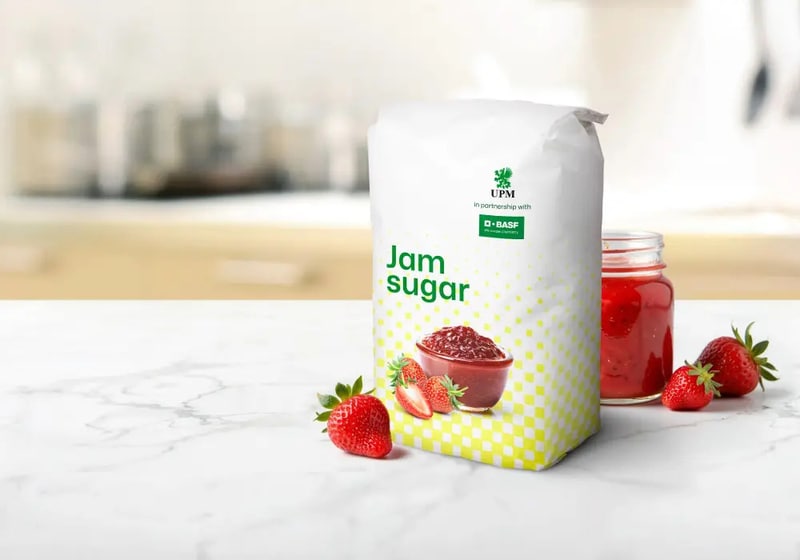
This fiber-based packaging has been developed through a strategic partnership from UPM Specialty Materials and BASF as a solution that aims to fill a technical gap in the category. The packaging leverages UPM's barrier along with its barrier base papers including the UPM Solide Lucent and the UPM Asendo, and pairs them with the BASF Joncryl HPB technology. The final product is thus at once suited for use within practical food and non-food scenarios, while also being ready for recycling after use.
Senior Manager of Product Portfolio Management at UPM Specialty Materials Mika Uusikartano spoke on the partnership with BASF saying, "The transition to recyclable fibre-based packaging requires both advanced barrier performance and close collaboration across the value chain. Our barrier papers are developed to support co-creation with partners, enabling new, high-performance packaging applications. The collaboration with BASF demonstrates how combining innovative barrier technologies with barrier papers can deliver functional, recyclable solutions that accelerate the packaging transformation.”
Image Credit: BASF
Why This Trend Is Growing
- Co-created Barrier Materials
- A collaborative development model combining specialty papers and polymer technologies that closes performance gaps in recyclable packaging.
- Recyclable Fiber-based Packaging
- An emergent packaging class offering food-safe barrier properties while being compatible with existing fiber recycling streams.
- Hybrid Polymer-paper Systems
- Layered material solutions that balance moisture and oxygen barriers with fiber recyclability through engineered polymer chemistries.
Industries Being Reshaped
- Food and Beverage Packaging
- High-Volume demand for safe, recyclable barriers in perishable goods manufacturing that pressures suppliers to replace multi-material laminates.
- Consumer Goods Manufacturing
- Product lines requiring protective packaging that also meet rising sustainability standards and end-of-life circularity expectations.
- Supply Chain and Recycling
- Material recovery infrastructures facing new sorting and pulping considerations as fiber-based barrier packages become more prevalent.