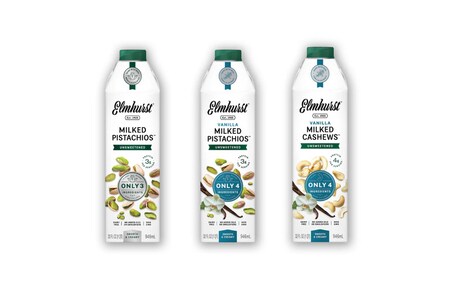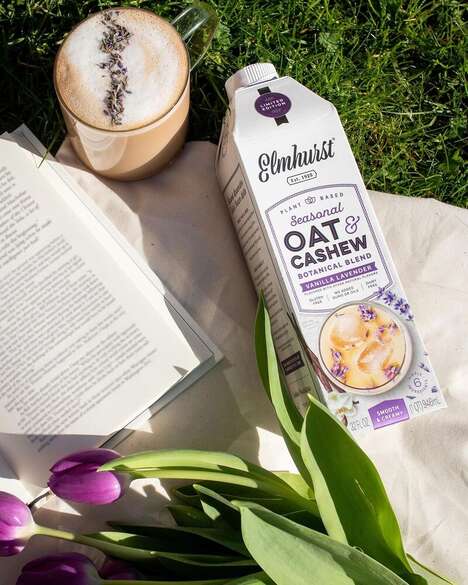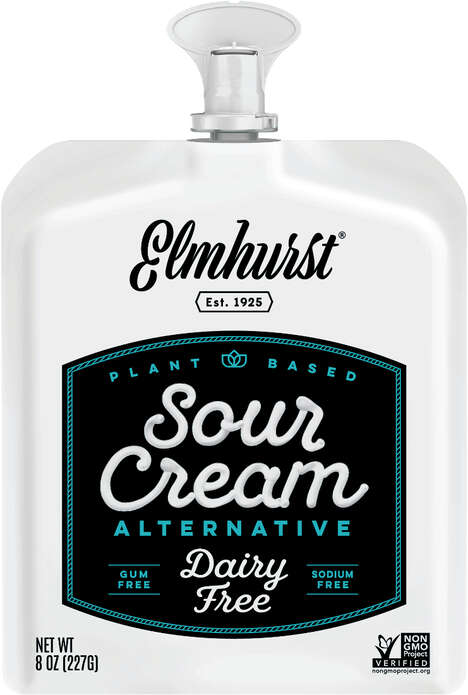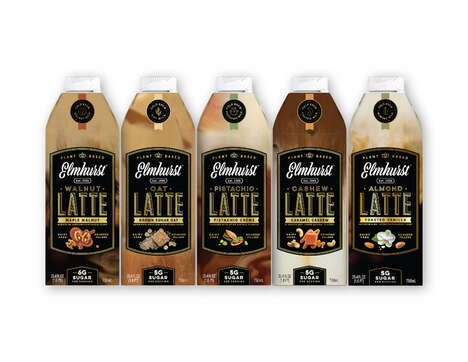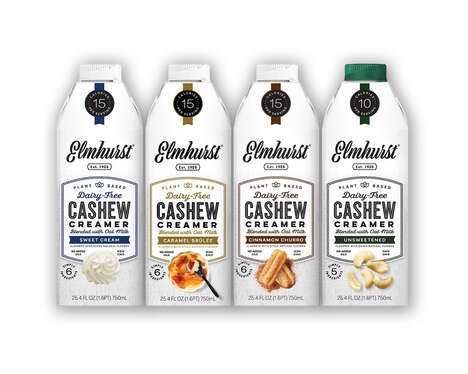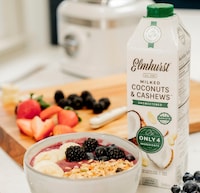
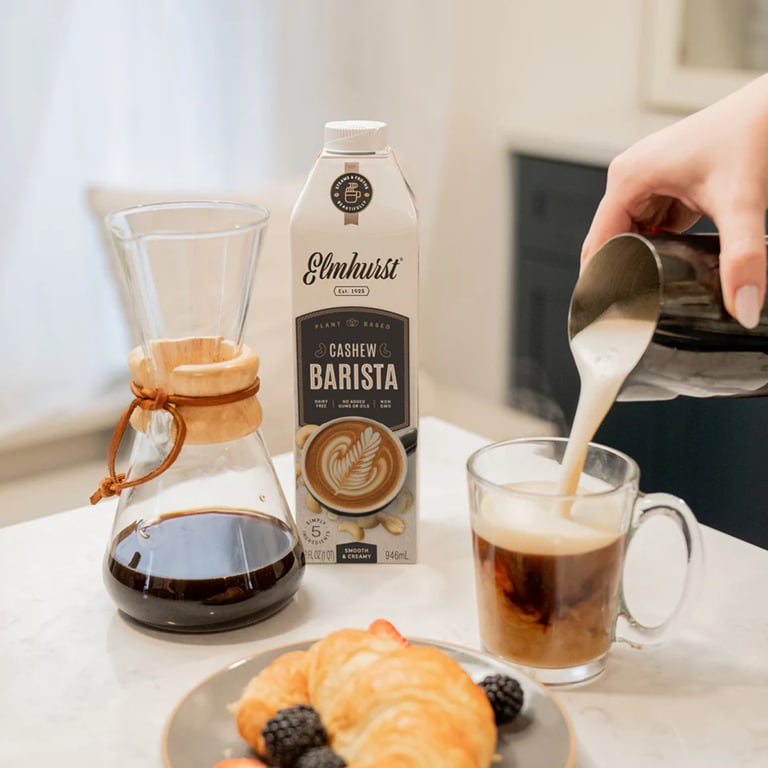
These new 1925-unsweetened'>Elmhurst 1925 products have been added to the brand's portfolio as a series of barista-inspired coffee products targeted towards helping consumers create cafe-inspired drinks from home.
The products come in three varieties including the Cashew Barista Edition, Unsweetened Coconut Cashew Barista Edition and the Brown Sugar Oat Creamer. The products are formulated to work well in both hot and cold coffees, and have no seed oils, gums or filler ingredients in their recipes as a nod to increased consumer demand for free-from alt milk options.
The new Elmhurst 1925 products are made with the brand's patented HydroRelease process that uses only water to separate and recombine the nutritional components. This process enables the nutritional integrity of the ingredients to remain, eliminate the need for additives and prioritize upcycling.
Why This Trend Is Growing
- Barista-grade Plant Milks
- Rising demand for barista-grade plant milks replicates dairy foam and texture, creating prospects for premium at-home cafe experiences.
- Clean-label Alt Dairy
- Consumers' preference for products without seed oils, gums or fillers is shifting competitive advantage toward minimally processed, transparent ingredient profiles.
- Water-based Nutrient Separation
- HydroRelease-style processes that use only water to preserve nutritional integrity and eliminate additives present opportunities for upcycled, high-purity ingredient lines.
Industries Being Reshaped
- Coffee Retail and Cafes
- A burgeoning segment of at-home barista products impacts in-store differentiation and opens new revenue streams around branded plant-milk pairings and retail-packaged barista blends.
- Plant-based Dairy Manufacturing
- Manufacturers focusing on nut- and oat-based formulations are positioned to capitalize on demand for functional creamer textures and clean-label claims.
- Food Tech and Processing Equipment
- Specialized water-only extraction and recombination equipment becomes strategically important as producers seek to scale additive-free, upcycled ingredient workflows.