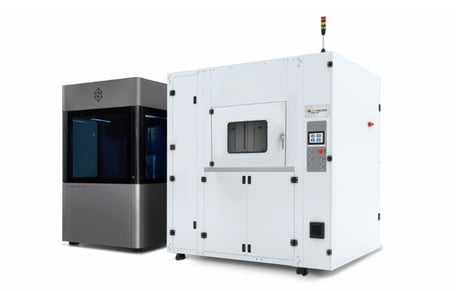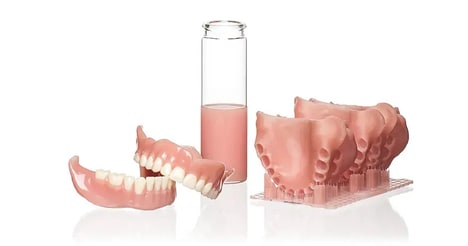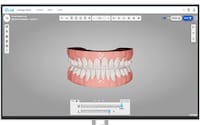
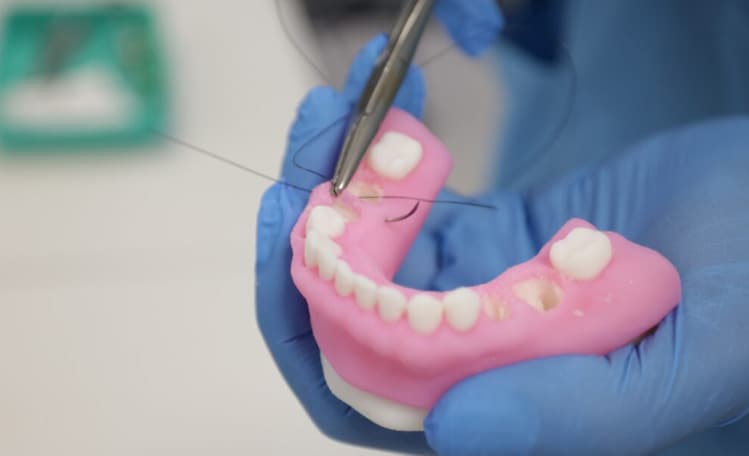
Stratasys introduced a dental anatomical model preset for its PolyJet 3D printing workflow, designed to produce lifelike oral structures with tactile fidelity. The preset helps create models that mimic bone, teeth, nerves and soft tissue, featuring tuned materials and settings intended to reproduce realistic haptic feedback for procedures such as drilling and suturing.
Trainers can generate patient-specific parts from Cone Beam Computed Tomography (CBCT) scans, enabling the production of targeted cases ranging from routine extractions to complex sinus lifts and bone grafts. By standardizing material recipes and print parameters, the preset makes repeatable, customizable simulation more accessible for dental schools, clinics and device makers.
This matters because it lowers dependence on cadavers or animal parts, expands access to rare pathology for hands-on practice and supports competency-based training with consistent, repeatable tactile experiences.
Image Credit: Stratasys
Why This Trend Is Growing
- Hyperrealistic 3D Printed Simulations
- Highly detailed, tactile 3D prints recreate multi-tissue oral anatomy enabling near-life surgical practice and assessment without human specimens.
- Patient-specific Anatomical Models
- Customized models derived from CBCT scans permit representation of unique pathologies and complex anatomies for targeted procedural rehearsal and device testing.
- Standardized Material Presets
- Predefined material recipes and print parameters ensure consistent haptic fidelity across institutions, supporting competency-based evaluation and reproducible research.
Industries Being Reshaped
- Dental Education
- Clinical programs gain access to repeatable, pathology-diverse training cases that reduce reliance on cadavers while enhancing hands-on competency assessment.
- Medical Device Manufacturing
- Prototype validation and regulatory submission workflows can incorporate realistic anatomical test fixtures that better simulate device–tissue interactions.
- Surgical Simulation and Training
- Simulation centers are positioned to offer more realistic curricula with standardized tactile feedback for procedures ranging from routine extractions to advanced grafting.