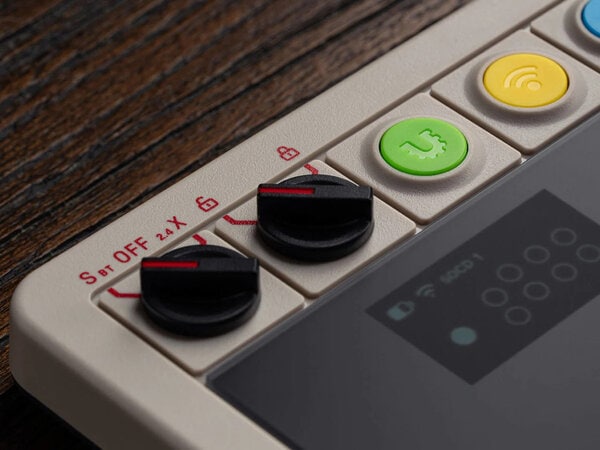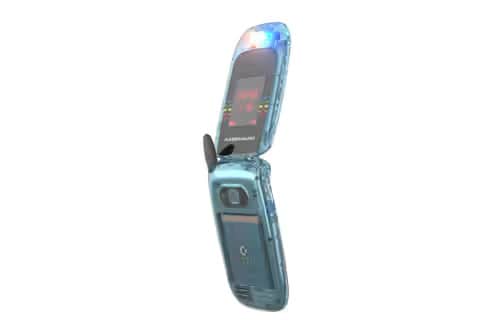
The Commodore Callback 8020 is a flip phone designed to reduce digital distractions while retaining access to essential modern services. Developed under the direction of Christian Simpson, the handset runs a customized version of Sailfish OS that blocks social media platforms and web browsers at the system level. The software still supports practical applications such as WhatsApp, Uber, Google Maps, and Spotify, while touchscreen functionality remains disabled by default to encourage more deliberate use.
The device combines its Y2K-inspired form factor with premium hardware specifications. Features include 4GB of RAM, 64GB of storage, a swappable battery, and a 48-megapixel Sony rear camera with autofocus. Audio playback is supported by dedicated DAC components from ESS and Cirrus Logic, and each phone ships with bundled in-ear monitors and classic Commodore SID ringtones.
A dome-shaped LED notification system replaces conventional on-screen alerts, reducing interruptions while keeping users informed. Pre-orders open June 30, with pricing starting at $499.99 for standard editions and reaching $640 for the limited Founders Edition.
Image Credit: Commodore
Why This Trend Is Growing
- Premium Dumbphones
- High-spec minimalist handsets blend nostalgic formats with modern essentials, creating room for devices that compete on focus, durability, and selective connectivity rather than app abundance.
- System-level Digital Minimalism
- Operating systems that restrict browsers and social platforms at the core software layer point to new value in distraction-resistant mobile experiences for productivity-minded consumers.
- Ambient Notification Design
- Non-screen alert systems such as LEDs and subtle hardware signals introduce alternatives to attention-heavy interfaces while preserving timely awareness for essential updates.
Industries Being Reshaped
- Mobile Devices
- Phone makers can differentiate through purpose-built hardware that combines retro industrial design, premium components, and controlled software environments for underserved focus-first users.
- Digital Wellness
- The rise of intentional-use phones expands the category beyond apps and coaching into physical products that embed healthier technology boundaries directly into everyday communication tools.
- Consumer Audio
- Bundled high-fidelity audio components and nostalgic sound branding suggest opportunities for lifestyle electronics that pair reduced screen use with richer music and identity-driven listening experiences.