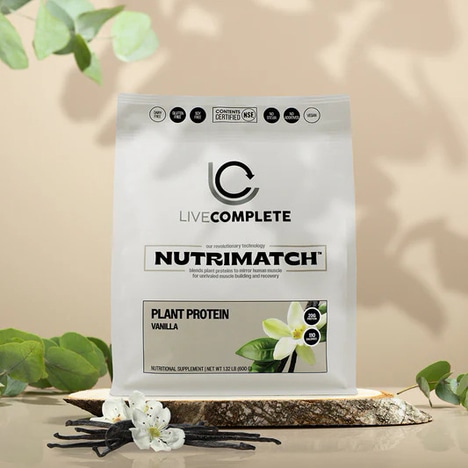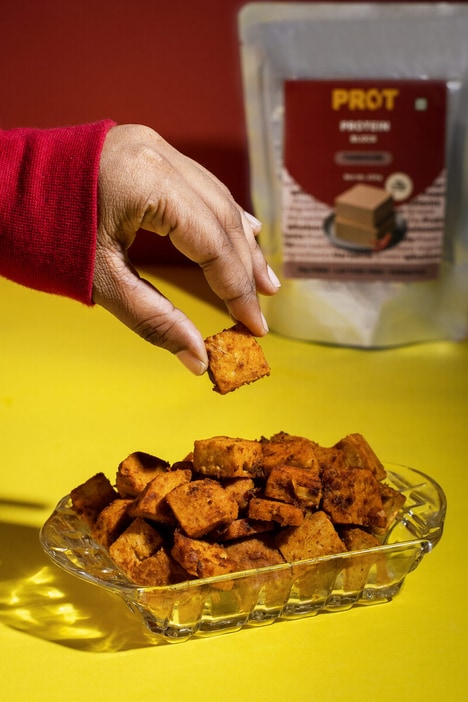

Amano Enzyme ProBoost Neutra has been announced by the Japan-based enzyme manufacturer as a solution for the plant-based protein market that target poor solubility and flavor. The enzyme was debuted at Bridge2Food Europe 2026 and features a non-GMO, organic-compliant formulation that will replace the alkaline step in wet fractionation for cleaner processing. The enzyme can work well for maximizing solubility, while also combating against the off-notes that pea protein isolate is associated with.
Head of R&D at Amano Enzyme Europe Antonio Sullo, Ph.D. commented on the Amano Enzyme ProBoost Neutra saying, "Pea protein continues to play a critical role in the evolution of plant-based foods, but manufacturers still face many challenges when it comes to taste, texture and processing performance. ProBoost Neutra was developed to help overcome these barriers and unlock new opportunities for product innovation and success with today’s consumer."
Image Credit: Amano Enzyme
What's Driving This Trend
- Enzyme-optimized Proteins
- Enzyme-based processing creates room for cleaner plant protein formulations with improved solubility, milder flavor profiles, and reduced reliance on harsh chemical steps.
- Cleaner Fractionation
- Replacing alkaline wet fractionation with organic-compliant alternatives signals potential for more sustainable ingredient manufacturing that aligns with premium clean-label positioning.
- Pea Protein Enhancement
- Better taste and texture performance in pea protein isolate expands the commercial viability of plant-based foods beyond niche applications into broader mainstream categories.
Who This Affects Most
- Plant-based Foods
- Improved protein functionality supports the development of meat, dairy, and snack alternatives that deliver stronger sensory performance for repeat consumer adoption.
- Food Ingredients
- Specialty enzyme suppliers are positioned to influence next-generation formulation systems by addressing persistent technical barriers in plant protein processing.
- Functional Nutrition
- Higher-solubility pea protein creates opportunities for smoother beverages, powders, and fortified products where texture, taste, and digestibility shape purchase decisions.