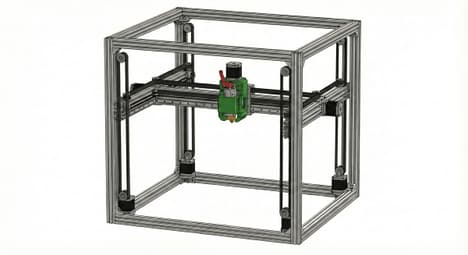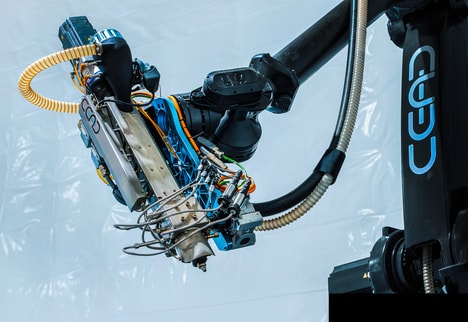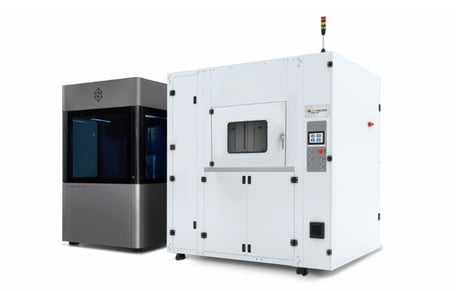

14 Trees and Tvasta introduced Cedar Construction Printer, a large-format gantry-style construction 3D printer designed for deployment in remote and challenging building environments. Developed in India, the system combines AI-assisted material analysis with large-scale concrete printing capabilities and is engineered to work with locally sourced concrete mixes, reducing dependence on specialized imported materials.
The platform features a 240-square-meter printing area, a maximum build height of 10 meters, a 250-liter mixer and a pumping system capable of delivering up to 5 cubic meters of material per hour at distances of up to 100 meters. Cedar combines Tvasta’s expertise in robotics, software and manufacturing with 14 Trees’ experience delivering construction projects in locations where infrastructure, transportation and power availability can present operational challenges.
For construction firms and infrastructure developers, Cedar is intended to lower logistics costs and improve the feasibility of automated building projects in remote regions. The launch reflects growing interest in construction 3D printing as a tool for expanding access to housing and infrastructure while reducing material transport requirements and increasing on-site production flexibility.
Image Credit: 14 Trees/Tvasta
What's Driving This Trend
- AI-assisted Local-material Printing
- Adaptive material analysis enables large-scale printers to optimize locally sourced mixes, lowering dependence on specialized imports and enabling new material-tailored construction processes.
- Remote-deployable Gantry Systems
- Portable, large-format gantry printers designed for challenging sites expand the feasibility of automated building in areas with limited infrastructure and constrained logistics.
- Integrated On-site Mixing and Pumping
- High-capacity mixers and long-range pumping systems allow continuous on-site production of printable concrete, reducing supply-chain bottlenecks and enabling uninterrupted large-volume printing.
Who This Affects Most
- Construction and Infrastructure
- Automated remote-site printing offers alternatives to traditional labor- and transport-intensive construction practices, reshaping project planning and cost structures for remote developments.
- Humanitarian and Remote Housing
- Deployable 3D printing platforms present scalable means to deliver rapid, locally adapted housing and infrastructure in disaster-affected or off-grid communities.
- Robotics and Construction Equipment
- Combining advanced robotics, software, and on-board material systems creates opportunities for manufacturers to offer integrated, site-ready printing solutions tailored to harsh operational environments.