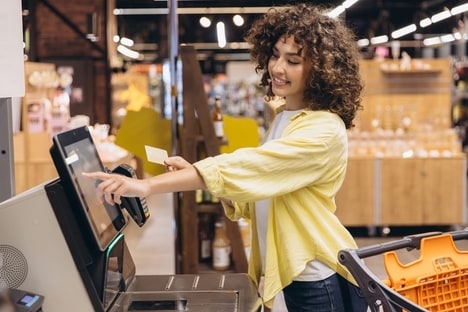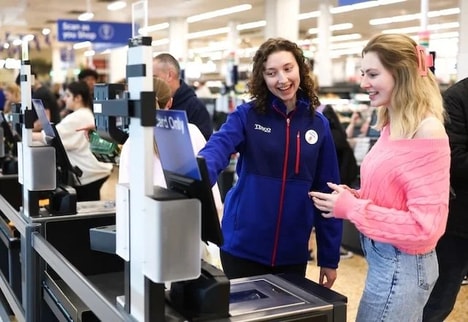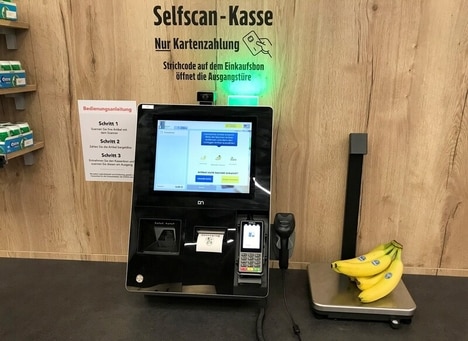
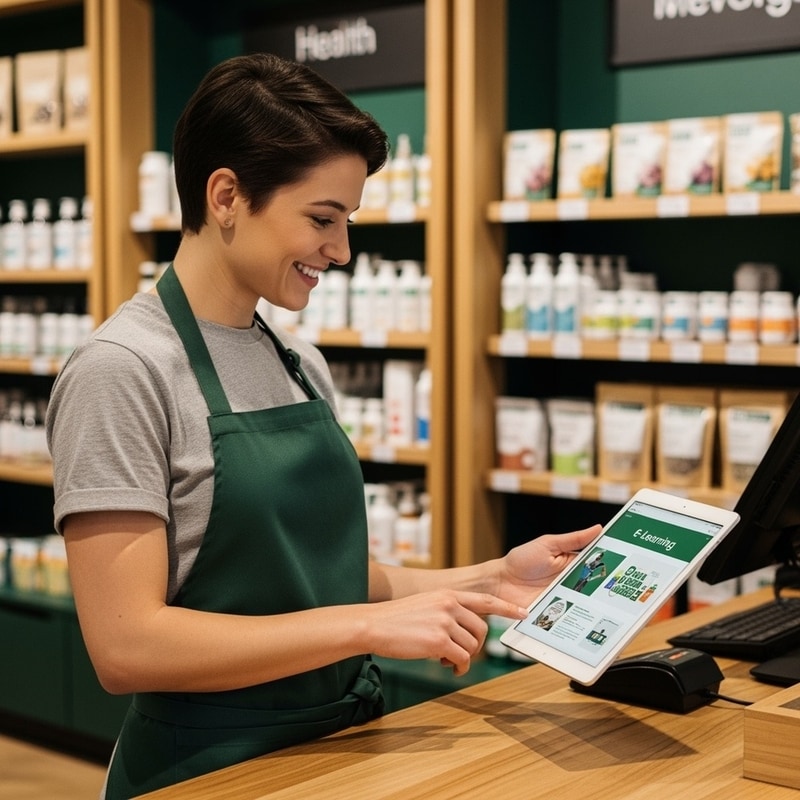
VisioLab, a German startup, launched a camera-based self-checkout that runs as an app on a standard Apple iPad, featuring AI that identifies food and drinks without barcodes in under 10 seconds. The system pairs the iPad with a compact Bluetooth payment terminal and weighs less than 25 pounds, designed for quick setup and low-hardware upkeep.
Deployments include 43 points of sale at the Orlando Magic’s arena and widespread use across German university campuses, with partners Compass Group and Aramark helping embed the system into existing venues. The Series A funding will scale international rollouts and staff growth as VisioLab targets stadiums, canteens, and campuses.
For consumers, the visible benefit is faster, queue-free checkout and simpler menu onboarding; the app-based approach also future-proofs installs against device refresh cycles.
Image Credit: Shutterstock AI
Why This Trend Is Growing
- Camera-based AI Checkout
- Retail and hospitality checkouts that use camera vision for item recognition can shift value from barcode infrastructure to software-driven product identification, enabling frictionless scanning of loose produce and mixed-item trays.
- App-first Point-of-sale
- A software-centric POS model running on consumer tablets reduces dependence on proprietary terminals and creates a recurring-revenue pathway through app updates, analytics, and feature subscriptions.
- Lightweight Modular Hardware
- Compact, low-maintenance hardware paired with wireless peripherals allows rapid deployment and lifecycle flexibility, undercutting large integrated cash register investments.
Industries Being Reshaped
- Stadiums and Events
- High-traffic venues stand to benefit from dramatically reduced queues and higher throughput, changing concession economics and guest experience metrics during peak events.
- Higher Education Dining
- Campus dining services can modernize meal operations with scalable app-based checkouts that simplify onboarding for rotating menus and transient student populations.
- Foodservice Contracting
- Large caterers and contract managers may see cost and operational advantages by standardizing on tablet-based systems that integrate with existing vendor platforms and reduce onsite hardware complexity.