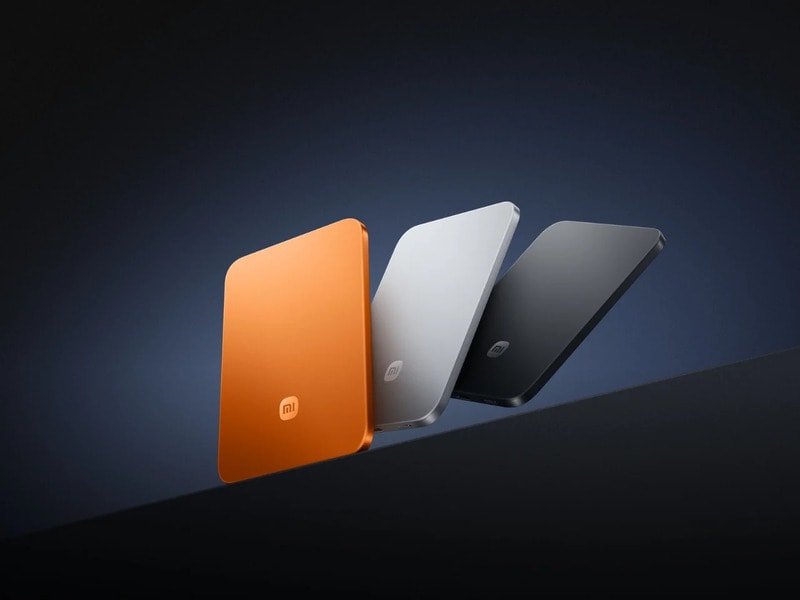
The Xiaomi UltraThin Magnetic Power Bank 5000 15W is an ultra-slim portable charger with a 5,000 mAh battery packed into a body just 6 mm thick and weighing roughly 98 g, giving it a form factor closer to a slim phone case than a typical power brick. The magnetic back attaches to compatible devices to enable up to 15 W wireless charging on certain smartphones, while a USB-C port delivers up to 22.5 W wired output for faster boosts or simultaneous charging of a second device. Its silicon-carbon battery and aluminium alloy shell contribute to the thin profile and everyday durability.
The design emphasises portability and daily carry convenience, fitting discreetly in a pocket or bag. Safety features include multiple protection layers against overvoltage, overcurrent and temperature irregularities, while its certification under international standards permits air travel and reliable performance.
Image Credit: Xiaomi
What's Driving This Trend
- Ultra-slim Power Delivery
- A shift toward sub-6mm form factors creates room for rethinking internal component layouts and power density to deliver phone-like portability with high-capacity batteries.
- Magnetic Wireless Integration
- Magnetic attachment ecosystems enable seamless physical coupling between power banks and devices, opening possibilities for standardized magnetic power modules and accessory interoperability.
- Dual-mode Fast Charging
- Convergence of robust wired PD outputs and high-wattage wireless transfers points to hybrid chargers that prioritize simultaneous multi-device fast replenishment without significant size penalties.
Who This Affects Most
- Consumer Electronics Accessories
- Accessory makers can exploit slim magnetic chargers to create modular ecosystems that blur the line between cases, power modules, and everyday carry tech.
- Aviation and Travel Tech
- Compact, certified batteries with strong safety systems present opportunities for travel-focused power solutions designed around cabin restrictions and traveler convenience.
- Materials and Thermal Management
- Advances in silicon-carbon cells and lightweight alloys suggest new material engineering approaches to balance thin profiles with heat dissipation and structural durability.