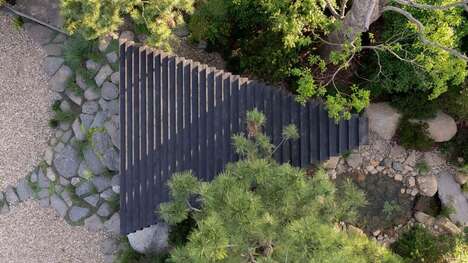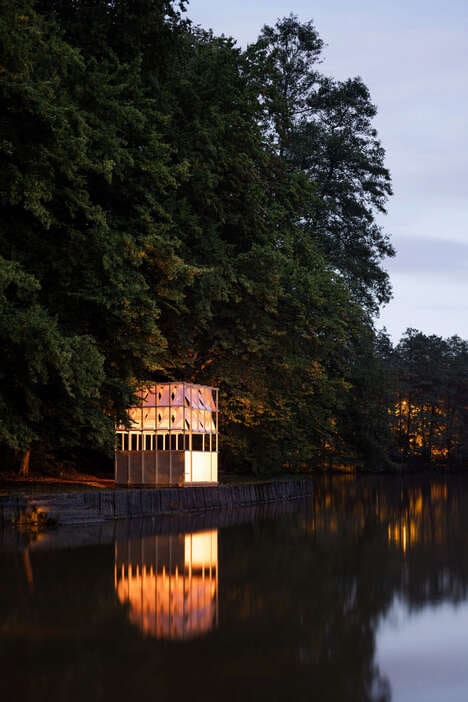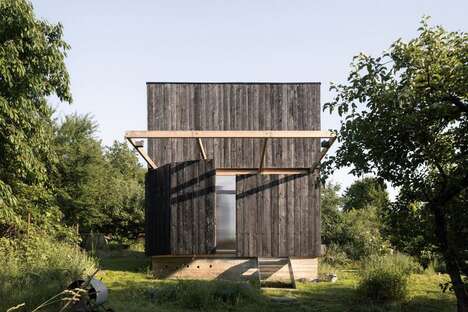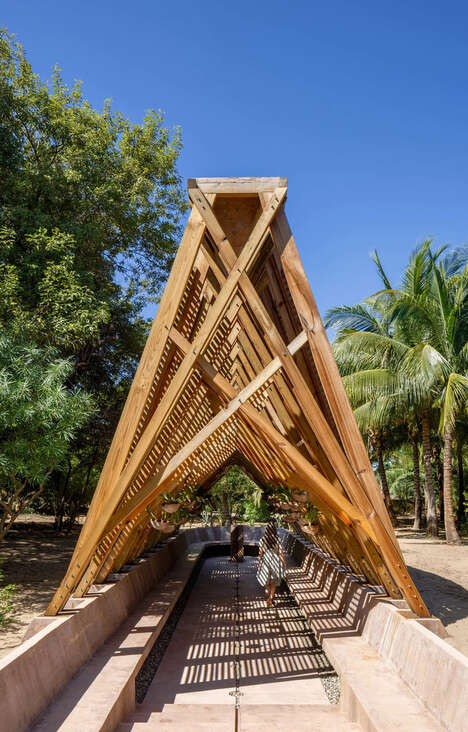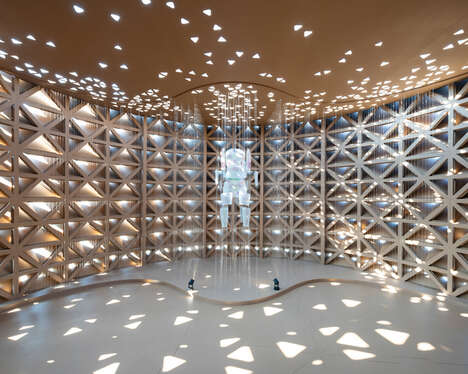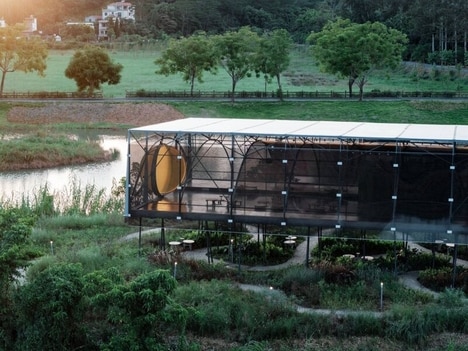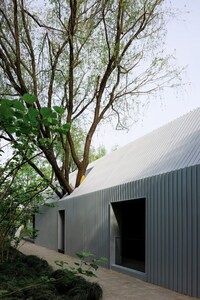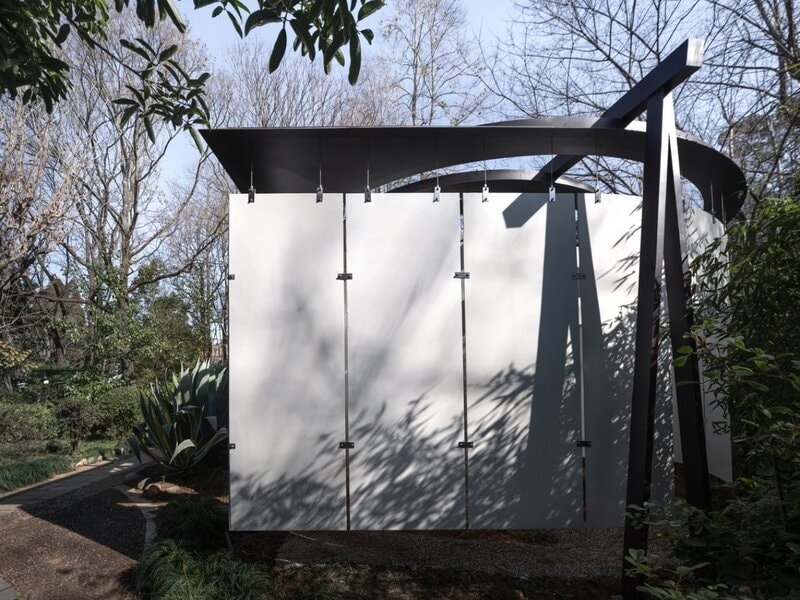
The Round Pavilion at Suzhou Expo Park offers a calm retreat amid the garden’s lush greenery. It is designed by the team at Local Projects Studio. The pavilion presents a circular wooden structure which is elevated on slender timber columns, offering 360° views and a gentle connection to the landscape. Located beside a lotus pond, it uses a flowing canopy with radial ribs to filter sunlight and cast serene shadows across its wooden decking .
The pavilion serves as a contemplative pause for visitors, loosely enclosed yet open enough to invite breeze and light. Materials like warm timber and natural finishes emphasize harmony with the park’s environment, while built-in benches encourage quiet reflection. The design subtly anchors the site without dominating it, creating an understated yet meaningful architectural moment in Suzhou Expo Park.
Image Credit: Ziqian Wang, Qingshan Wu
Why This Trend Is Growing
- Elevated Circular Architecture
- Circular designs that provide 360° views are disrupting traditional architectural approaches by integrating spaces more harmoniously with natural surroundings.
- Serene Architectural Spaces
- Creating spaces for reflection and tranquility within urban environments is becoming a key trend, offering opportunities to enhance mental well-being.
- Sustainable Design Features
- Incorporating natural materials like timber and environmentally-conscious finishes aligns with the growing demand for sustainable and ecologically harmonious designs.
Industries Being Reshaped
- Landscape Architecture
- Innovative pavilion designs that seamlessly blend with nature offer new ways for landscape architects to integrate structure with surrounding environments.
- Urban Parks and Recreational Spaces
- The design of open-air retreats within urban parks bolsters opportunities for creating spaces that foster relaxation and public engagement.
- Eco-friendly Construction
- Growing emphasis on natural, sustainable building materials creates avenues in the construction industry for developing environmentally resilient structures.