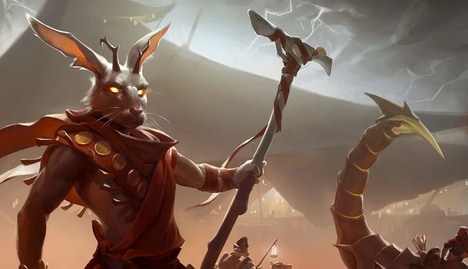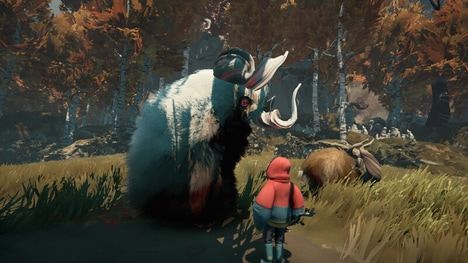

The Legend of Khiimori is an open-world survival sim from Aesir Interactive that casts players as a 13th-century Mongolian horse courier, featuring detailed equine systems and route-based delivery gameplay. Designed with input from horse-game consultant Alice Ruppert, the title centers on managing a mount’s needs with meters for food, water, mood, stamina and health.
Gameplay emphasizes realistic horse handling and logistics: players balance saddle weight, plan routes to reach water and grazing, train mounts’ stats like strength and agility through activity, and craft repellants and potions. Early access currently focuses on connecting Yam postal stations, taming and breeding horses, optional corrupted-zone combat, and map-marker route planning.
For players seeking a niche blend of survival and equestrian simulation, Khiimori foregrounds the mount as the primary gameplay focus, turning traditional player-centric survival systems into a horse-first experience. Its early-access state means features and polish remain in progress, but the core mechanics highlight a fresh direction for animal-led sims.
Image Credit: Mindscape
Why This Trend Is Growing
- Horse-first Simulation
- A design paradigm that centers nonhuman avatars as primary agents, creating opportunities to reconceive player empathy, AI behavior, and progression systems around animal welfare metrics.
- Route-based Logistics Gameplay
- Gamified route planning that ties resource availability and environmental hazards to mission success, enabling emergent systems for dynamic supply-chain challenges in virtual worlds.
- Equine Biometrics and Needs Modeling
- Detailed modeling of physiological and mood states for mounts, providing a template for high-fidelity animal simulation that can inform digital twins and predictive care systems.
Industries Being Reshaped
- Game Development
- Independent and AAA studios can leverage horse-centric mechanics to create niche simulation subgenres that blend survival, training, and ecosystem-driven progression.
- Veterinary Telemetry
- Wearable sensors and analytics platforms for real animals could adopt the papered metrics approach seen in the game to improve continuous monitoring of health, stress, and performance.
- Logistics and Autonomous Delivery
- Route-optimization and load-management systems may be rethought using low-tech constraints and environmental interaction models inspired by historical courier simulations.