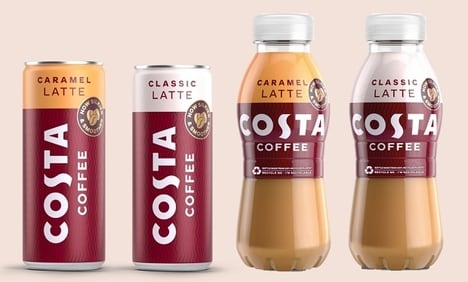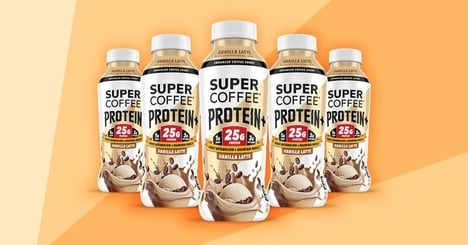
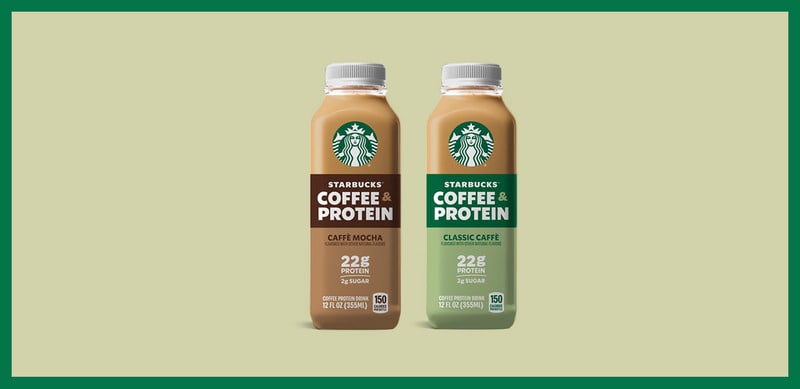
The Starbucks Coffee & Protein ready-to-drink (RTD) beverages have been debuted by the cafe brand as its latest grocer and convenience store items that respond to US consumer demand for nutritionally-driven refreshments.
The drinks come in two flavors including the Classic Caffè alongside the Caffè Mocha, which each come in 12-fluid-ounce bottles with a suggested $3.99 price point. The drinks start off with premium coffee in the base that's enhanced with 22-grams of protein and five-grams of fiber as a nod to consumer demand for protein-rich products as well as a growing interest in fiber. The drinks come in at a modest 150-calories each to make them permissible for everyday enjoyment as part of a healthy diet.
Senior Director, Brand Marketing, North American Coffee Partnership Brian Smith spoke on the Starbucks Coffee & Protein drinks saying, "Consumers are looking for wellness solutions that fit seamlessly into their morning routines. Starbucks Coffee & Protein delivers both great taste and nutrients, offering 22 grams of complete protein and 5 grams of prebiotic fiber in a convenient, ready-to-drink bottle that supports busy lifestyles.”
Why This Trend Is Growing
- Protein-enriched Ready-to-drink Beverages
- High-protein RTD coffees combining substantial complete protein with familiar caffeine profiles create alternatives to traditional protein shakes and meal replacements.
- Fiber-infused Functional Beverages
- The addition of prebiotic fibers to refreshing drinks reframes beverages as digestive-health platforms rather than solely hydration or energy sources.
- Nutritionally-driven Convenience Products
- Convenience-format items that prioritize macronutrient balance and low calorie counts redefine grab-and-go categories toward daily wellness consumption.
Industries Being Reshaped
- Ready-to-drink Beverage Industry
- RTD manufacturers can leverage premium coffee bases combined with functional ingredients to capture morning routines traditionally dominated by cafes.
- Retail Grocery and Convenience
- Shelf space strategies and pricing in grocery and c-store channels shift as nutritionally fortified RTD options attract health-focused, on-the-go shoppers.
- Food Technology and Ingredient Suppliers
- Suppliers of proteins and prebiotic fibers face demand for clean-label, stable formulations that preserve taste and mouthfeel in chilled bottled formats.