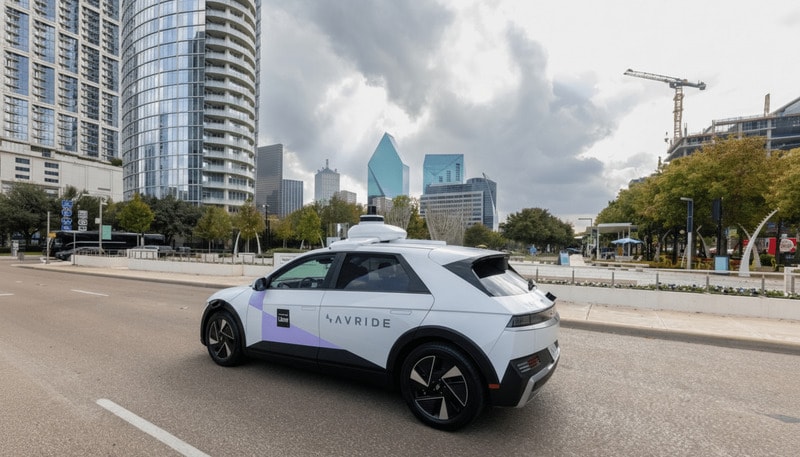
Uber AV Labs is a new data-focused division from Uber that supports autonomous vehicle and robotaxi developers with real-world driving information. Instead of building its own self-driving cars, Uber is deploying sensor-equipped vehicles to capture complex on-road scenarios and share those insights with partners such as Waymo, Waabi, and Lucid Motors. The move positions Uber as an infrastructure layer for AV training rather than a direct robotaxi competitor.
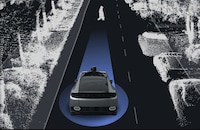
The initial AV Labs fleet started with a Hyundai Ioniq 5 test car, outfitted with lidar, radar, and cameras to document varied traffic conditions. Uber plans to process the raw footage into a “semantic” dataset, adding meaningful labels and structure before passing it to partners. A shadow-mode setup lets AV companies run their software on Uber’s cars while human drivers operate them, highlighting differences between human and algorithmic decisions.
For consumers, this approach aims to accelerate the reliability and safety of future robotaxi experiences by addressing rare, unpredictable edge cases with more diverse data. Uber’s access to hundreds of cities offers AV developers highly targeted, location-specific training material that would be difficult to collect on their own. As data volume becomes a central competitive factor in autonomous driving, Uber AV Labs reflects a broader trend toward ecosystem-building platforms that fuel next-generation mobility services.
Image Credit: Uber
What Makes This Trend Stand Out
- Data-driven AV Development
- Autonomous vehicle projects increasingly depend on comprehensive data sets to handle complex traffic scenarios, highlighting a shift towards data-centric innovation.
- Collaborative Ecosystem Platforms
- Companies like Uber are forging platform-based ecosystems that support diverse AV partners, fostering symbiotic relationships rather than direct competition.
- Semantic Data Structuring
- Processing raw driving data into semantically-structured formats offers AV developers enhanced insights, creating opportunities for sophisticated machine learning applications.
Sectors Adopting This
- Autonomous Vehicle Technology
- The autonomous vehicle industry is being transformed by the availability of more granular, scenario-specific data, which can improve algorithm accuracy and safety.
- Data Analytics
- The need to convert raw sensor data into actionable insights is driving innovation in the data analytics industry, creating new methods for processing and interpreting complex datasets.
- Mobility-as-a-service (maas)
- As Robotaxi operations become more viable, MaaS providers can leverage improved AV reliability driven by comprehensive training datasets to enhance user experiences.