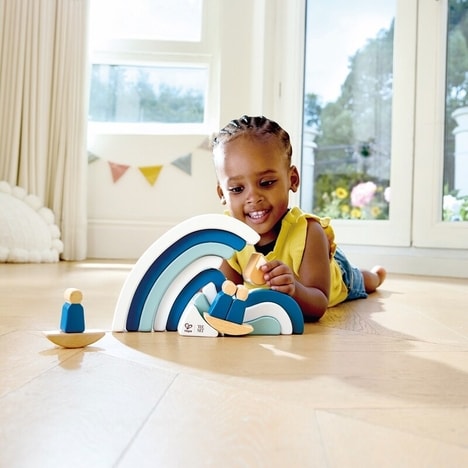
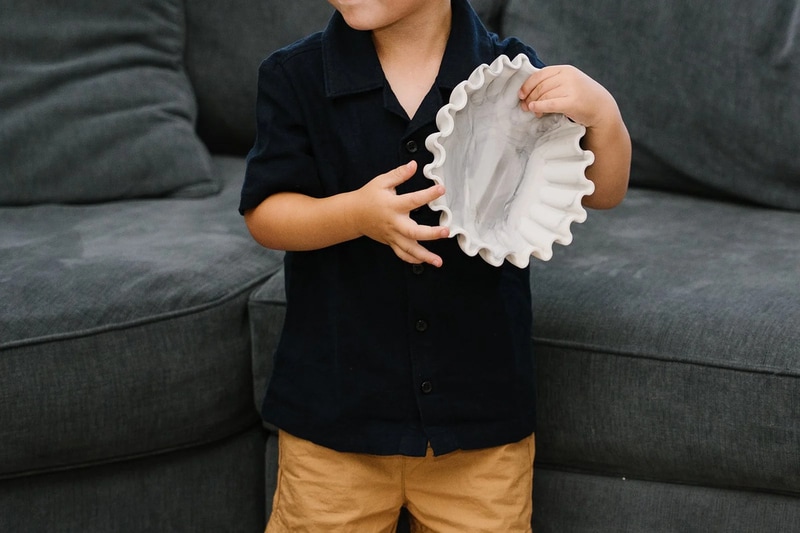
Vivid primary colors and plastic textures dominate most children's toys, and for design-conscious parents who strive to maintain curated, clutter-free homes, Playcor crafts beautifully considered developmental toys that are as visually appealing on a shelf as they are engaging in a child's hands. Created by interior designer and mother Courtney Smithee, Playcor makes functional, modern toys for counting, stacking and sensory play that naturally fit into home decor.
Playcor’s stylish Wooden Sensory Balls come in a pack of three, each with unique elements to feel, move and open, and these naturally colored beech wood toys for kids ages three and up are ready to add to a decorative shelf display or a coffee table centerpiece.
What Makes This Trend Stand Out
- Decor-friendly Developmental Toys
- Aesthetic-first toy design that blends developmental functionality with display-ready visuals suggests potential for products that bridge play and interior design through premium materials and curated color palettes.
- Modular Multiuse Play Objects
- Play pieces that double as decorative objects and reconfigure for different developmental stages indicate opportunities for modular systems that grow with a child while remaining stylistically consistent.
- Sustainable Natural Materials in Play
- A move toward beech wood and naturally dyed finishes points to innovations in eco-conscious toy lines that prioritize non-toxic, long-lasting materials and premium tactile experiences.
Sectors Adopting This
- Toy Manufacturing
- Manufacturers could reimagine production and packaging to emphasize shelf-worthy aesthetics, durability and sensory sophistication as differentiators in a crowded market.
- Home Decor Retail
- Retailers focused on curated interiors may expand assortments to include developmentally appropriate play objects that function as lifestyle accessories within room vignettes.
- Early Childhood Education Products
- Educational product companies might develop curricula-aligned play sets that integrate discreet developmental sensors or modular learning elements while preserving a refined visual identity.