
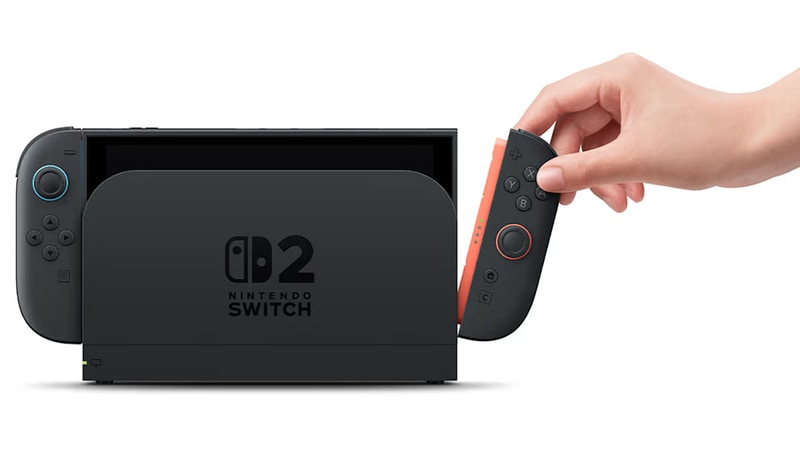
Backward-boost gaming systems are gaining traction as Nintendo’s Switch 2 update introduces a handheld mode that enhances older titles with docked-level performance. This feature allows compatible Switch games to run with improved resolution and frame rates without requiring remasters, pointing to a shift toward hardware-driven optimization. By retroactively improving existing libraries, the system increases the value of past purchases while reducing reliance on re-released titles. It also encourages users to revisit older content with a refreshed experience, extending the lifecycle of existing game ecosystems.
Although the feature may raise power consumption and limit touchscreen functionality, it reflects a growing focus on seamless, passive upgrades that require little user effort. This approach is especially relevant for gamers with large digital collections and highlights how platforms are prioritizing long-term engagement, improved performance, and stronger ecosystem retention across evolving gaming experiences.
Image Credit: Nintendo
What Makes This Trend Stand Out
- Hardware-driven Retroactive Optimization
- A shift toward leveraging new hardware capabilities to transparently enhance legacy software performance without developer rework creates new value from existing digital libraries.
- Passive Performance Upgrades
- Systems that automatically elevate visual fidelity and frame rates for installed titles reflect consumer demand for frictionless improvements that extend product relevance.
- Extended Content Lifecycle Monetization
- Reintroducing older games with boosted performance encourages renewed engagement and revenue generation around previously sold catalogs rather than relying solely on remasters.
Sectors Adopting This
- Console Gaming Platforms
- Platform makers that implement backward-boost features can differentiate ecosystems by increasing retention and perceived library value among long-term users.
- Game Development Tools & Middleware
- Middleware that exposes hooks for runtime enhancement or compatibility layers offers opportunities to standardize retroactive optimization across multiple titles and engines.
- Cloud Gaming and Streaming
- Remote rendering services able to apply performance boosts server-side could unify high-fidelity experiences across low-power devices while reshaping licensing and distribution models.