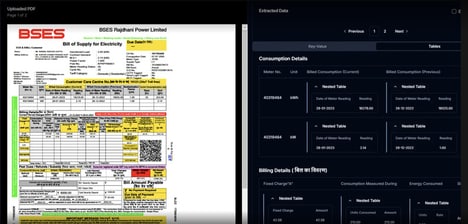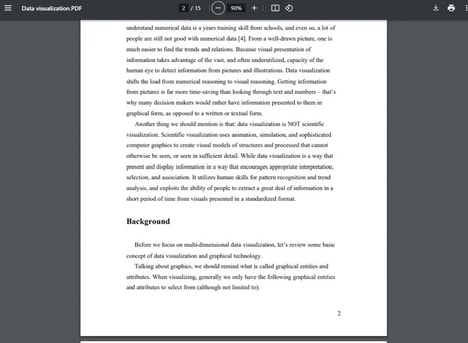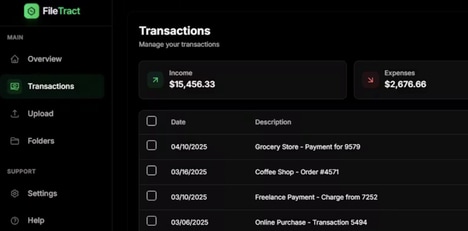

Nanonets operates within the AI automation and document intelligence space, focusing on transforming unstructured business documents into structured, usable data. Powered by OCR technology and deep learning models, the platform processes invoices, receipts, purchase orders, contracts, claims, and forms, extracting key information from files that traditionally require manual review. It supports workflow automation across industries where document-heavy operations are central to daily processes, including finance, insurance, logistics, and procurement.
The system converts scanned files and digital documents into organised outputs that can move directly into databases, approval systems, or operational pipelines. By combining document recognition with intelligent data extraction, Nanonets turns static paperwork into active digital workflows. It supports businesses handling large-scale administrative processes where accuracy, speed, and structured information flow are essential. The platform positions AI-driven document processing as a core infrastructure layer for modern operational efficiency.
Image Credit: Nanonets
Why This Trend Is Growing
- AI-powered OCR
- Advanced OCR combined with deep learning enables near-real-time extraction of high-value fields from varied document types, unlocking automation of previously manual review tasks.
- End-to-end Document Workflows
- Integrated pipelines that convert documents into structured records create opportunities for seamless approvals, routing, and audit trails replacing fragmented human processes.
- Structured Data Monetization
- Transforming unstructured paperwork into standardized datasets enables new analytics, benchmarking services, and data-driven product offerings built on operational documents.
Industries Being Reshaped
- Finance
- High-volume invoice and reconciliation processing in finance presents potential to reduce settlement times and lower error rates by embedding automated extraction into core systems.
- Insurance
- Claims intake and underwriting workflows that rely on heterogeneous documents can be streamlined into risk scoring and faster payouts through consistent data capture.
- Logistics
- Shipment documentation and proof-of-delivery records converted into machine-readable formats offer possibilities for tighter supply chain visibility and dynamic exception handling.