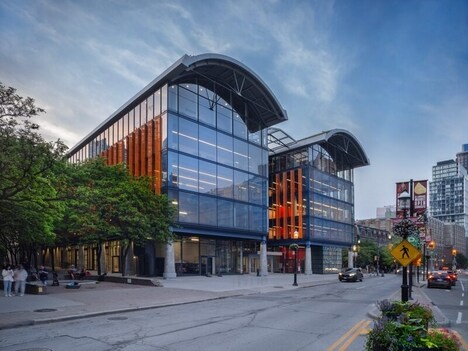
Mercatto is expanding beyond downtown Toronto with the opening of Mercatto Centrale in Port Credit on March 13, 2026. The new location introduces the brand’s contemporary Italian dining concept to Mississauga’s growing Brightwater community, marking a significant milestone in its evolution.
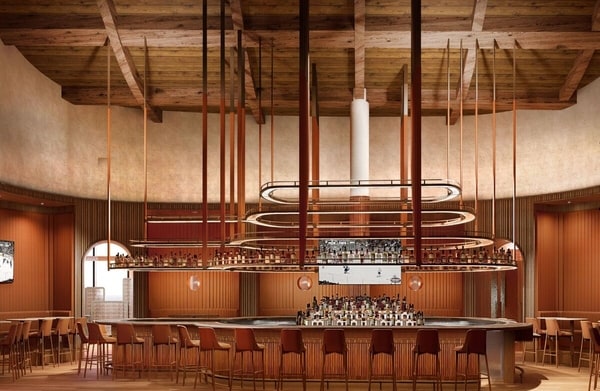
Situated at 230 Missinnihe Way along the waterfront, the 8,500-square-foot restaurant includes 5,000 square feet of dining, bar, and private event space. With seating for more than 300 guests—over 200 indoors and nearly 90 on the patio—the venue is designed to serve long-time patrons, local residents, businesses, and destination diners alike.
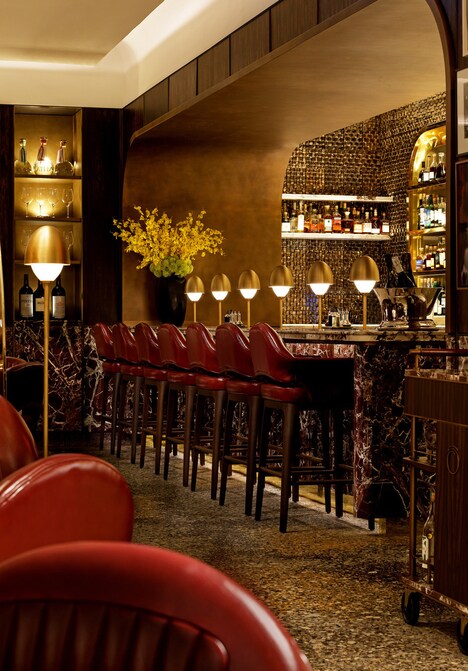
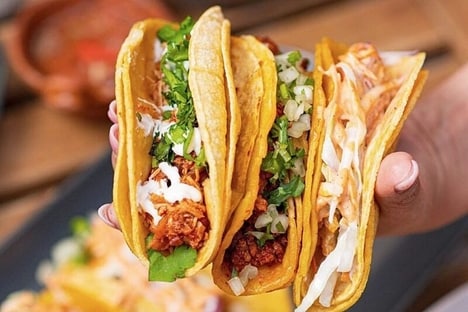
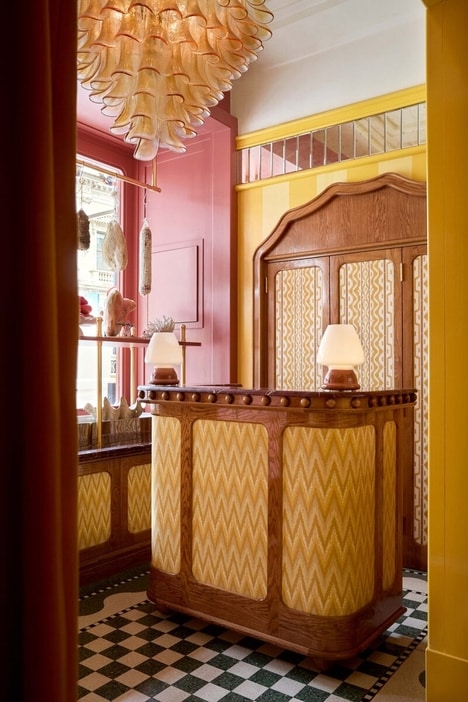
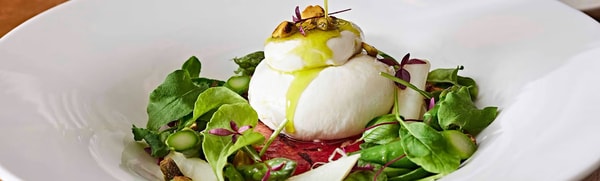
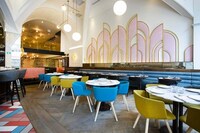
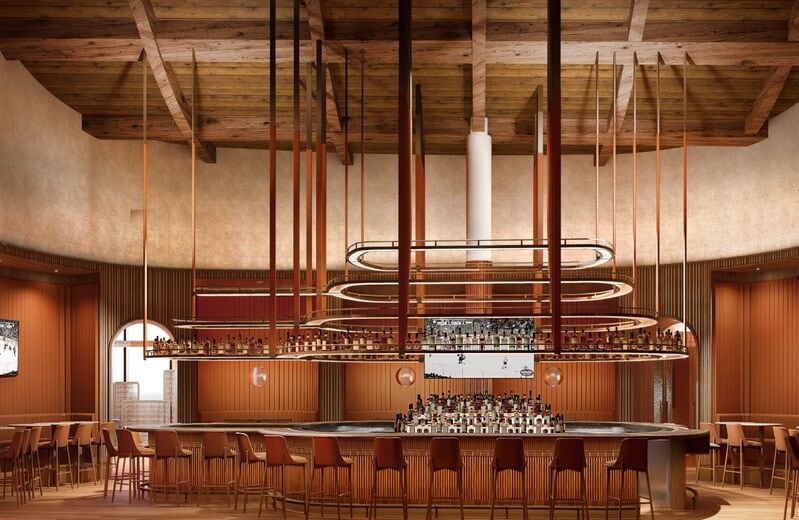
Designed by Studio Munge in collaboration with PT General Contractor, the interior draws inspiration from Italian coastal influences and Botticelli’s The Birth of Venus, featuring arched passageways, limewashed walls, sculptural detailing, and a dramatic ceiling installation. Mercatto Centrale will also debut the brand’s first brunch service, alongside its established menu of pizza, pasta, seafood, and classic Italian specialties.
Image Credit: Mercatto Centrale
What's Driving This Trend
- Waterfront Destination Dining
- A combination of large-capacity seating and scenic waterfront locations can reframe restaurants as regional destinations that compete with leisure and tourism experiences.
- Branded Multi-format Expansion
- Scaling a contemporary concept into suburban communities with expanded service formats like brunch and private events indicates potential to convert single-location brands into multi-format local anchors.
- Experiential Italian Design
- Curation of theatrical, art-inspired interiors and coastal motifs suggests a path to differentiate dining through immersive aesthetics that blend cultural storytelling with Instagrammable moments.
Who This Affects Most
- Casual Dining Chains
- High-capacity, branded venues capable of serving diverse dayparts and event business can disrupt traditional unit economics and franchise models in the casual dining sector.
- Hospitality and Events
- Integration of sizable private-event spaces within restaurants points to new competitive overlap between F&B operators and boutique event venues for weddings, corporate gatherings, and local programming.
- Interior Design and Restaurant Fit-out
- Demand for sculptural installations and thematic coastal design creates opportunities for specialized design-build firms to offer modular, scalable experiential packages for hospitality rollouts.