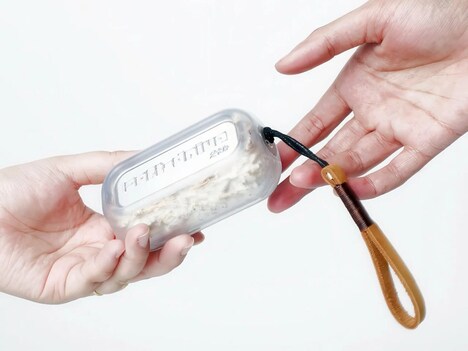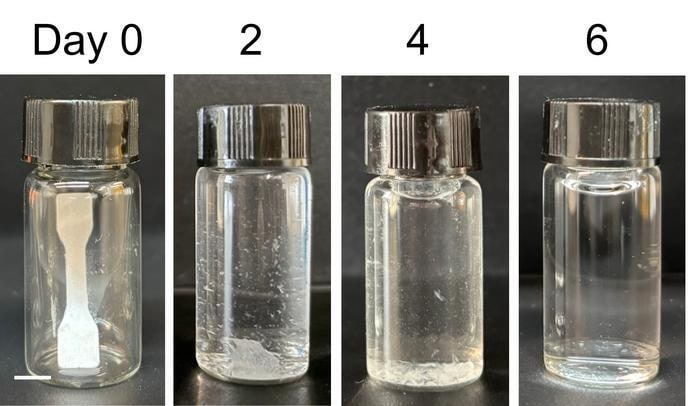
The emergence of ‘living degradable plastics’ reflects a growing shift toward materials engineered with built-in decomposition systems that activate under specific environmental conditions. Researchers from the Shenzhen Institute of Advanced Technology and collaborating Chinese research institutions developed a plastic embedded with dormant microbes that can fully break down the material once triggered, preventing the formation of microplastics during the degradation process.
Unlike conventional biodegradable plastics that may leave residue behind, the material uses cooperative bacterial enzymes to convert polymers into their base building blocks within days. The concept could influence industries ranging from packaging and healthcare to wearable technology and disposable electronics, where short product life cycles often contribute to long-term waste. The successful degradation of a prototype wearable electrode also demonstrates potential for temporary consumer products and medical applications. As governments and brands face mounting pressure to reduce plastic pollution, programmable materials with controlled end-of-life cycles may become increasingly valuable for sustainable manufacturing, packaging systems and circular product development strategies.
Image Credit: ACS/Shenzhen Institute of Advanced Technology
Why This Trend Is Growing
- Programmed Biodegradation
- Materials engineered to self-trigger decomposition under defined conditions enable products with reliably finite lifespans that simplify end-of-life recovery and reduce persistent environmental residues.
- Microbe-integrated Materials
- Embedding dormant microbial consortia into polymers creates living systems that convert plastics back to monomers without generating microplastics, transforming material lifecycle management.
- Transient Electronics
- Devices designed to function for short periods and then fully disintegrate open pathways for single-use sensors and disposable consumer gadgets that leave no long-term waste.
Industries Being Reshaped
- Packaging and Delivery
- Short-lived, self-degrading packaging materials could markedly reduce accumulation of post-consumer plastic waste in supply chains and urban environments.
- Medical Devices and Implants
- Biodegradable electronics and materials that safely dissolve after use present prospects for temporary implants and single-use clinical tools with minimal removal procedures.
- Wearable Technology
- Temporary wearable sensors that fully break down after their service window offer opportunities for event-based monitoring and disposable personal electronics that avoid long-term disposal issues.