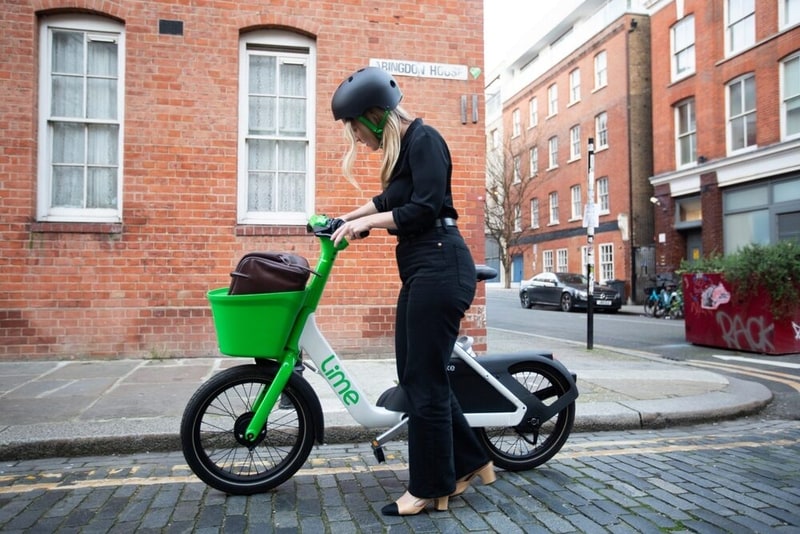
The LimeBike is a shared electric bicycle developed by Lime with a focus on durability, accessibility, and high-frequency urban use. The latest model was designed in-house by Lime’s industrial design and engineering teams as part of an ongoing hardware update across its global fleet. The bike operates within a dockless system, allowing users to locate and unlock vehicles through a mobile app.
The frame uses a low step-through geometry to accommodate a wider range of riders and improve mounting and dismounting. Components are modular and replaceable, allowing damaged parts to be swapped without removing the entire bike from circulation. The design includes integrated lighting, GPS tracking, and a repositioned battery pack that supports balance and maintenance access. The bike features smaller wheels, updated parking technology, and a front-mounted phone holder for navigation.
Image Credit: Lime, Jamie Henderson
What Makes This Trend Stand Out
- Modular-replaceable Components
- Modular parts and quick-swap assemblies enable business models centered on rapid in-field repairs and reduced downtime through standardized replaceable modules.
- Small-wheeled Urban Design
- Smaller wheelbases and low step-through frames reshape vehicle packaging and parking patterns in dense cities, affecting last-mile mobility dynamics.
- Integrated Fleet Telematics
- Integrated GPS, lighting, and battery telemetry create continuous data streams that can transform predictive maintenance and dynamic asset allocation.
Sectors Adopting This
- Shared Micromobility Operators
- Operators that scale dockless fleets are positioned to redefine urban transport access and cost structures by leveraging durable, user-friendly hardware.
- Urban Fleet Maintenance Services
- Maintenance providers focused on modular servicing and rapid part replacement stand to disrupt traditional repair cycles and logistics for high-frequency fleets.
- Smart Bike Infrastructure Providers
- Companies delivering parking solutions, charging nodes, and connected signage could alter curb management and micro-hub economics in city centers.