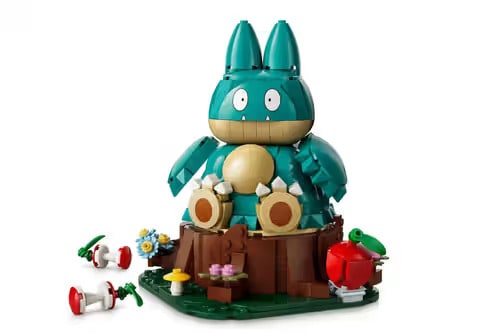
The LEGO Pokémon Munchlax set expands the brand's brick-built character collection with a display-focused model scheduled to launch on August 1, 2026. Leaked images reveal a build that recreates Munchlax with rounded proportions and character-accurate detailing rather than interactive play features. The release forms part of a wider wave that also introduces construction sets based on Rayquaza and Arcanine. The collection shifts toward display-oriented designs while maintaining the recognisable appearance of each Pokémon.
The wave includes a Rayquaza model featuring the first Pokémon human character minifigure, Zinnia, from Pokémon Omega Ruby and Pokémon Alpha Sapphire. The Arcanine and Munchlax sets complete the three-model lineup planned for the August release. The collection is expected to arrive ahead of the 2026 Pokémon World Championships, expanding LEGO's growing Pokémon range with additional brick-built display models
Image Credit: LEGO
What's Driving This Trend
- Display-first Playsets
- Display-focused construction sets are redefining toy value around shelf presence, character fidelity, and adult collector appeal rather than traditional play mechanics.
- Brick-built Fandom
- Licensed brick-built characters create new ways for entertainment franchises to extend fandom through modular collectibles that blend nostalgia, craftsmanship, and recognizable IP.
- Event-timed Drops
- Product waves aligned with major fan events can turn merchandise launches into cultural moments that amplify demand and strengthen franchise ecosystems.
Who This Affects Most
- Toy Manufacturing
- Construction toy makers have room to expand beyond play-oriented kits into premium display models that serve collectors, hobbyists, and franchise enthusiasts.
- Gaming Franchises
- Video game IP is increasingly positioned as a physical collectibles platform, giving digital-first brands new revenue streams through character-led merchandise.
- Licensed Merchandise
- Cross-brand licensing between collectible toy companies and entertainment properties signals a growing market for high-recognition products with built-in fan demand.