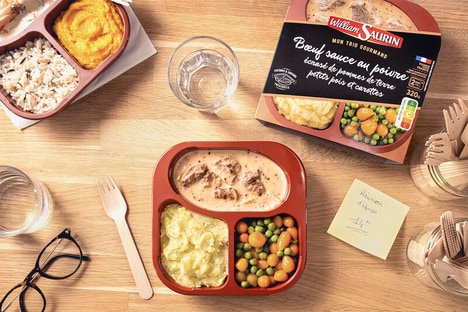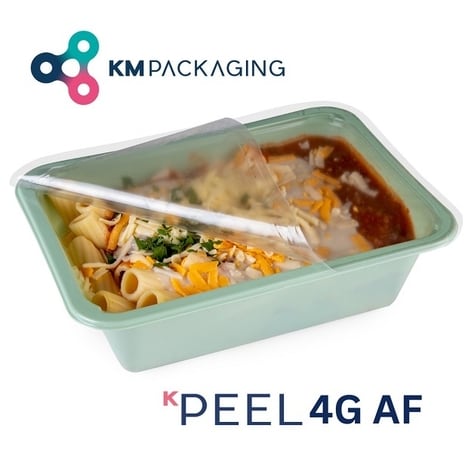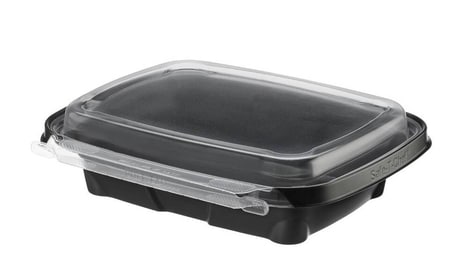
Klöckner Pentaplast introduced kp Infinity HP3, a larger, more rigid addition to its Hotpacs line designed for generous food-to-go portions, featuring reinforced walls intended to protect meals during transport. The product was launched as part of KP’s push to expand single-serve and multi-portion takeaway packaging, with kp Infinity HP3 sized to handle heartier entrees and stacked containers.
Manufactured from the company’s high-performance polymer formulations, the tray emphasizes structural strength and thermal stability for hot foods while remaining compatible with existing Hotpacs packaging systems.
For operators and consumers, the new rigid tray reduces spill risk and preserves presentation during delivery or takeaway, aligning with growing demand for durable, food-safe to-go formats that maintain quality off-premise.
Image Credit: Klöckner Pentaplast
Why This Trend Is Growing
- Rigid Thermal-stable Packaging
- Enhanced structural rigidity combined with thermal stability enables containers that preserve hot-food quality and presentation throughout extended delivery windows.
- Stackable High-volume Takeaway Containers
- Larger, stackable trays designed for multi-portion orders support efficient transportation and consolidated delivery of family-style or bundled meal offerings.
- Food-safe High-performance Polymers
- Advanced polymer formulations that balance heat resistance, strength, and food-safety compatibility open possibilities for premium reusable or longer-lasting single-use formats.
Industries Being Reshaped
- Foodservice Delivery
- Delivery-focused operators face shifts toward packaging that minimizes spills and maintains plated presentation, influencing consumer expectations for off-premise meal quality.
- Food Packaging Manufacturing
- Manufacturers are positioned to differentiate through novel tray geometries and material blends that meet both thermal performance and stackability requirements.
- Polymer Materials Research
- Materials labs encountering demand for heat-stable, food-contact polymers may explore formulations that balance rigidity, recyclability, and cost for mass-market adoption.