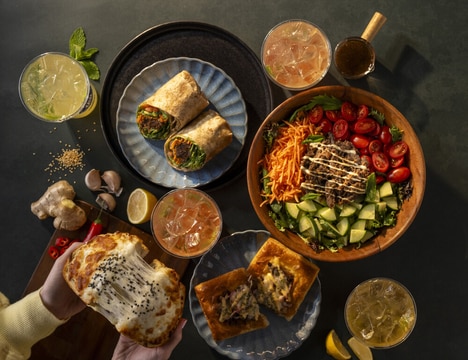

For a limited time, Sweetgreen is launching its first-ever KBBQ menu, sharing a taste of items created in collaboration with COTE Korean Steakhouse—the first and only Michelin-starred Korean steakhouse in America. On this Korean-inspired menu, three new entrees pair Sweetgreen's signature fresh ingredients with the classic components of a Korean barbecue experience.
Alongside a savory-sweet KBBQ Steak Bowl with white rice, romaine, apple kimchi sauce, spicy roasted broccoli, cucumber kimchi, and pickled cabbage, a KBBQ Steak Plate is available for a more indulgent experience. Alternatively, those seeking a lighter, vegetable-forward choice will appreciate the refreshing yet fiery Cucumber Kimchi Crunch Salad.
Last year, Sweetgreen introduced grass-fed, pasture-raised steak with a caramelized garlic flavor and customers have been asking for new ways to enjoy this protein. As such, Sweetgreen is remixing the fan-favorite item with a sweet, savory and spicy Korean BBQ glaze.
What's Driving This Trend
- Fusion Cuisine Innovation
- The trend of blending traditional Korean barbecue flavors with Western-style fast-casual dining creates unique menu offerings that appeal to diverse palates.
- Limited-time Collaborations
- Exclusive partnerships between popular restaurant chains and renowned culinary establishments generate excitement and drive traffic through time-sensitive menu items.
- Vegetable-forward Dishes
- The rise of plant-rich dishes in traditionally meat-centric cuisines offers a fresh take on healthy eating while retaining authentic flavor profiles.
Who This Affects Most
- Fast-casual Dining
- This industry is seeing innovation through the introduction of Korean-inspired menu items, which enhances cultural diversity in food offerings.
- Culinary Collaborations
- Cross-industry collaborations between prestigious steakhouses and casual dining brands lead to novel culinary experiences and expanded customer reach.
- Fermented Foods Market
- The growing popularity of kimchi and other fermented ingredients in mainstream dining highlights new opportunities in the food preservation and flavor enhancement sectors.