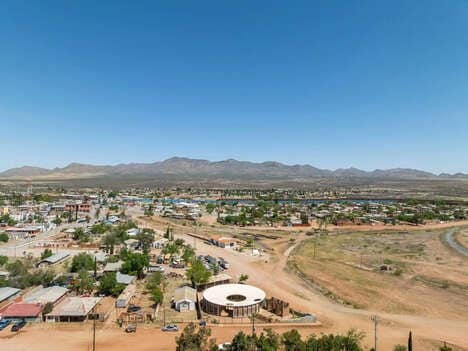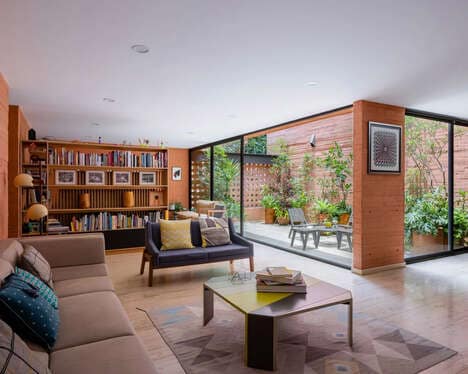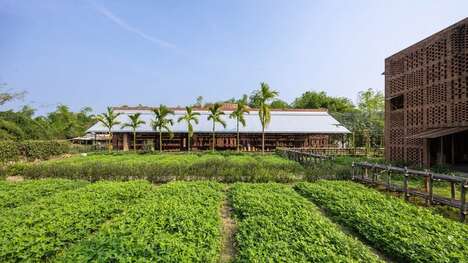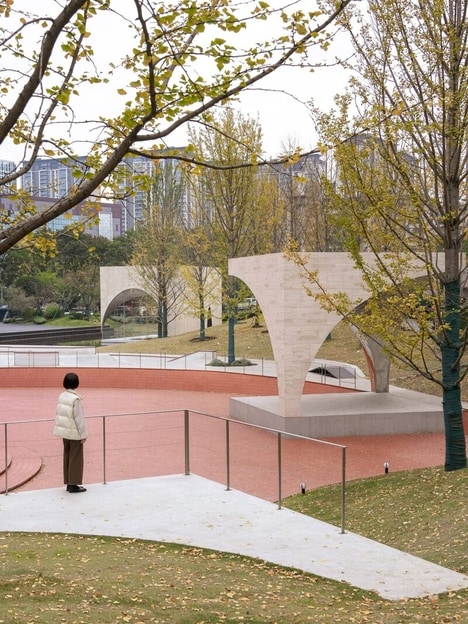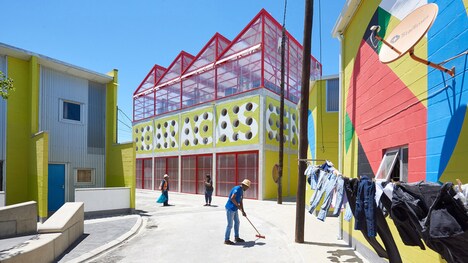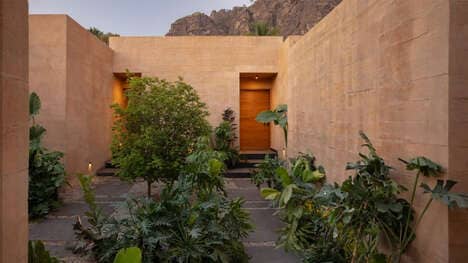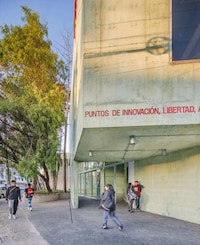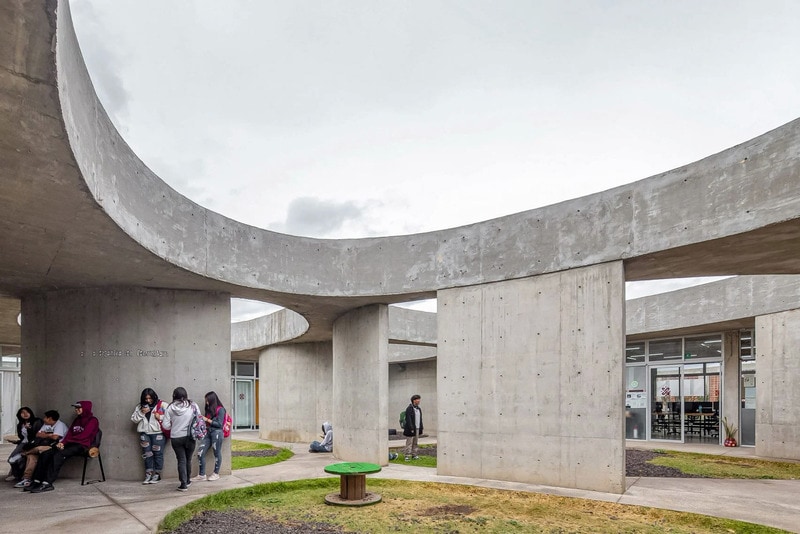
Architecture studio Fernanda Canales designs the Iztapalapa PILARES Community Center. It is constructed next to a prison and defined by a wavy terracotta lattice. It stretches along the front side of the concrete area and is located in Iztapalapa. The borough is known for its high crime rate, and the center is designed as a part of the government-driven PILARES programme, which stands for 'Points of Innovation, Freedom, Art, Education and Knowledge."
The architecture studio explained, "Iztapalapa PILARES Community Center is part of a series of projects that make up an initiative of the Mexico City government to provide cultural and learning centres for the city's most neglected neighbourhoods and marginalised communities – offering classes, workshops and various activities in a safe atmosphere."
Image Credit: Onnis Luque and Rafael Gamo
Why This Trend Is Growing
- Community-centric Architecture
- Architectural designs that focus on community integration and safety are transforming urban environments with innovative structures that foster social interaction.
- Cultural Enrichment Hubs
- The creation of multi-purpose spaces serving as cultural and learning centers enhances community engagement by encouraging lifelong learning and artistic expression.
- Sustainable Urban Design
- Using natural materials like terracotta in modern urban architecture promotes both environmental sustainability and aesthetic appeal in city landscapes.
Industries Being Reshaped
- Urban Development
- The push for community centers in marginalized areas like Iztapalapa highlights the urban development industry's shift towards socially inclusive projects.
- Architecture
- The design of the Iztapalapa PILARES Community Center reflects an innovation opportunity in architecture by blending aesthetic appeal with functionality for community upliftment.
- Public Sector Initiatives
- Government-backed projects like the PILARES programme are transforming public sector strategies to emphasize cultural, educational, and social infrastructure in underserved communities.