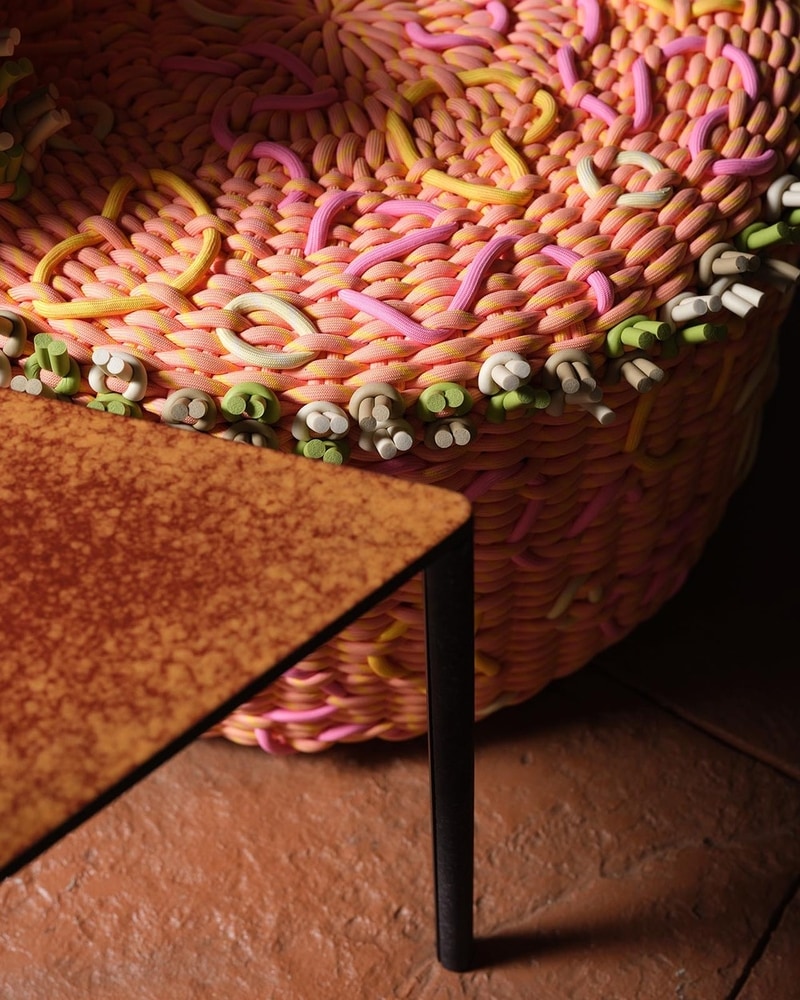
Goldwyn Guest House by The Future Perfect is a residential gallery space located in Los Angeles within a historic mansion originally built in 1916. The property, once owned by film producer Samuel Goldwyn, has been reworked to function as both a private residence and a showroom for collectible design. The Future Perfect uses the house to present rotating exhibitions of furniture, lighting, and objects across domestic interiors rather than traditional gallery spaces. Rooms throughout the home are staged with contemporary works by international designers and artists.
The house retains original architectural elements including plaster walls, decorative moldings, and a multi-room layout organized across indoor and outdoor spaces. Interiors are continuously updated with new furniture, lighting, textiles, and artworks that replace previous installations. Exhibition pieces are distributed across living rooms, bedrooms, and outdoor areas, creating a changing arrangement of objects within the residential setting.
Image Credit: The Future Perfect
Key Themes Behind This Trend
- Residential Gallery Hybrid
- Blurring boundaries between private homes and exhibition spaces creates novel living environments where curated design serves both daily use and collectible display.
- Rotating Domestic Exhibitions
- Continuous turnover of furniture and art within inhabited rooms enables temporal narratives and collectible circulation that change the lifecycle of design objects.
- Historic Adaptive Interiors
- Integrating contemporary design into preserved architectural fabric fosters layered experiences that recontextualize heritage properties as dynamic cultural platforms.
Where This Applies
- Luxury Residential Real Estate
- High-end property markets can be transformed by positioning residences as experiential showrooms that command premium valuations tied to curated programming and collectible inventories.
- Furniture and Design Retail
- Retailers have opportunities to shift from static storefronts to subscription-style displays within lived environments, altering sales models and customer engagement metrics.
- Cultural Tourism and Hospitality
- Historic homes repurposed as rotating design destinations can attract visitors seeking immersive, home-based cultural experiences that blend accommodation with exhibition.