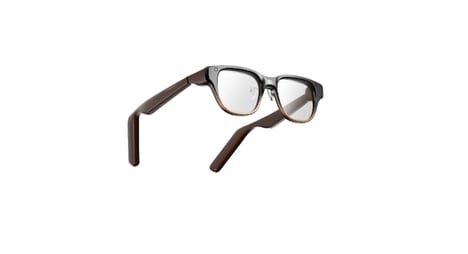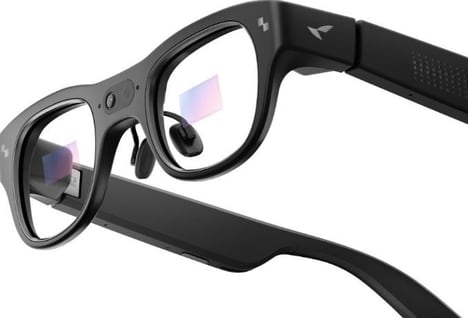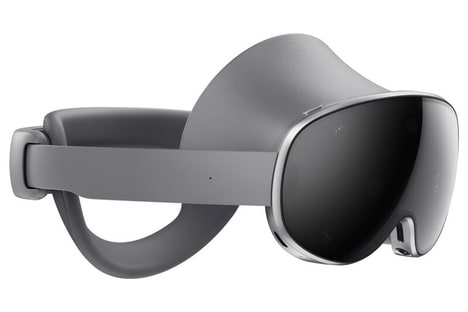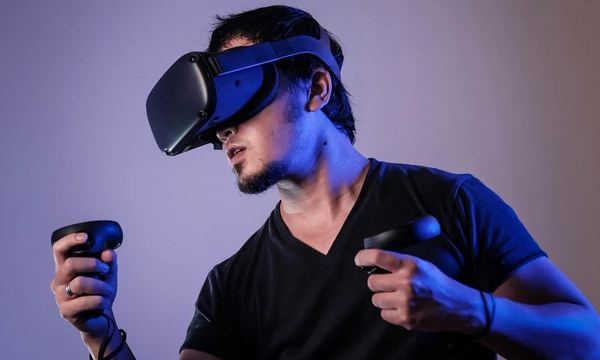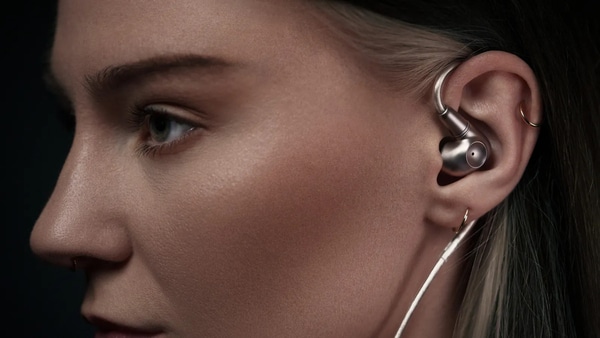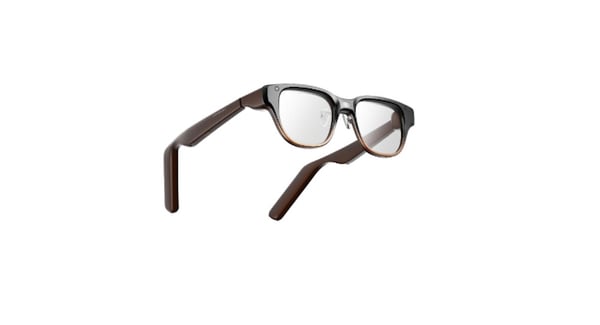
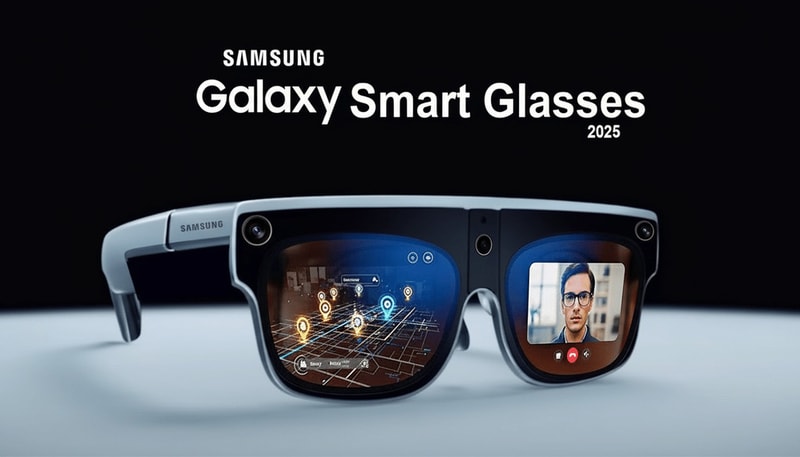
Samsung revealed a new pair of AI-connected smart glasses that will act as a vision gateway, featuring an eye-level camera and designed to work closely with Galaxy phones. The company said the glasses will rely on smartphone processing rather than being a standalone computing unit, with captured visual data routed to the phone for AI interpretation. Details remain limited, but Samsung confirmed the product during comments at MWC and positioned the accessory alongside its Galaxy ecosystem and Galaxy Watch integrations.
The glasses will emphasize compactness and affordability compared with headsets, and Samsung noted they may omit a built-in display while leaning on phone and watch screens when users need a visual interface. For consumers, the glasses aim to bring contextual AI to everyday sight—streamlining tasks like scene recognition, info lookup, and hands-free capture—while fitting into existing device workflows and the broader trend toward phone-tethered wearable intelligence.
Image Credit: Samsung
Why This Trend Is Growing
- Phone-tethered Wearable Intelligence
- A shift toward wearables that offload heavy AI processing to smartphones enabling lighter, cheaper devices that extend the phone ecosystem’s computational reach.
- Display-less Smart Glasses
- Compact spectacles that prioritize camera and sensors over embedded displays, relying on companion screens for visual output and reframing ergonomic and cost trade-offs.
- Contextual Vision AI
- Real-time scene recognition and contextual information layering at eye level that transforms everyday sight into an interactive data stream for hands-free assistance.
Industries Being Reshaped
- Consumer Electronics
- Tight integration between phones, watches, and smart glasses creates opportunities for modular accessory ecosystems and new device-tiering strategies.
- Healthcare and Assisted Living
- Eye-level cameras and contextual AI have the potential to support diagnostics, mobility aids, and remote monitoring for patients and caregivers.
- Retail and Visual Commerce
- In-store and remote shopping experiences could be reimagined with instant product recognition, personalized overlays, and frictionless visual checkout possibilities.