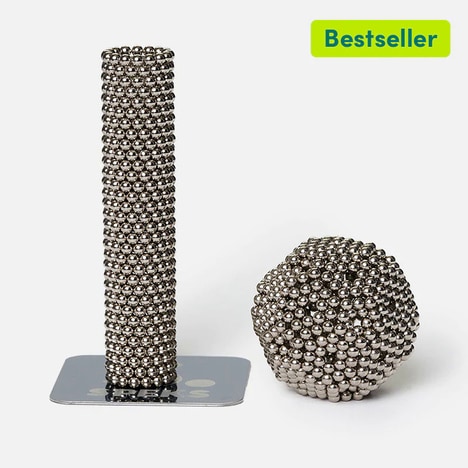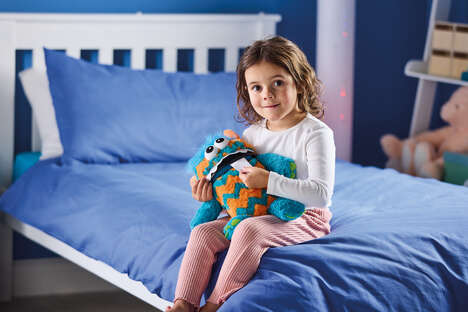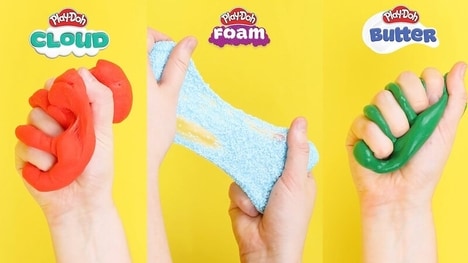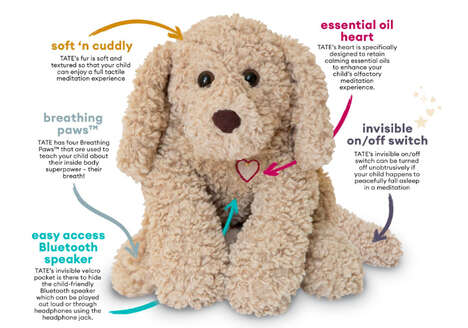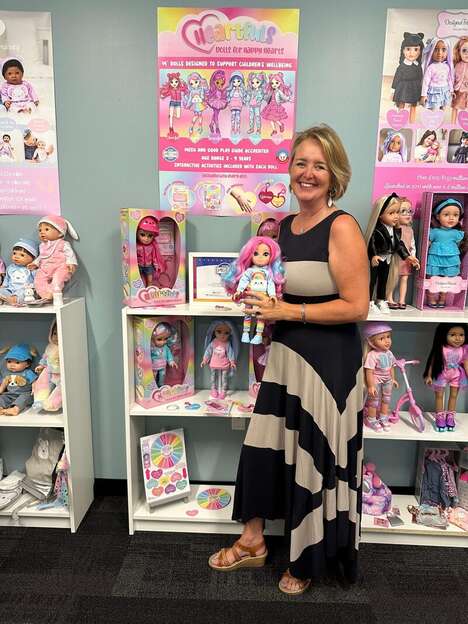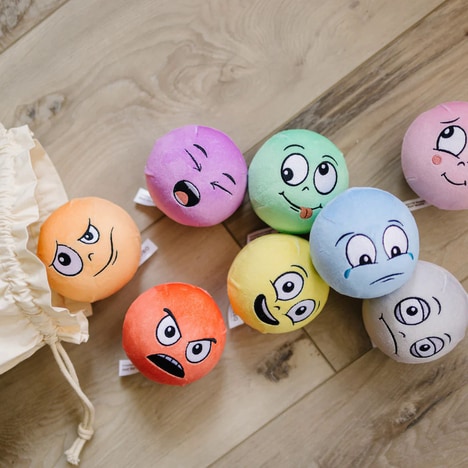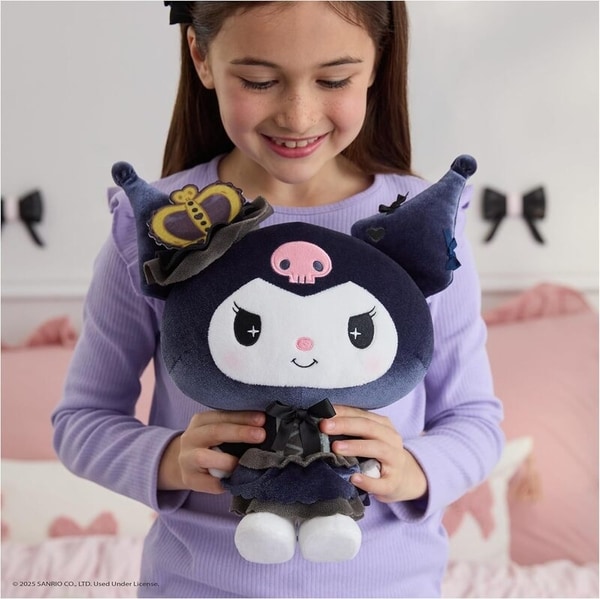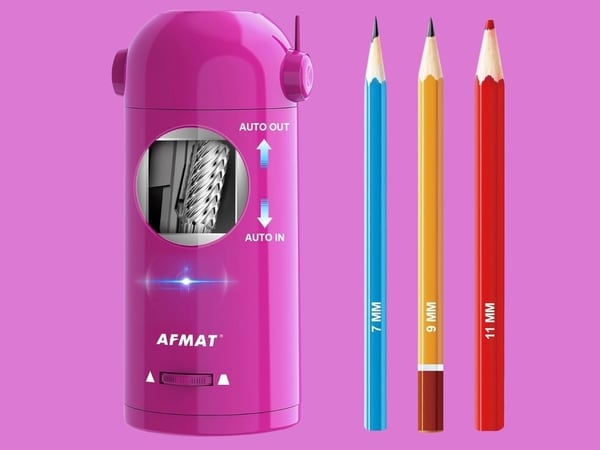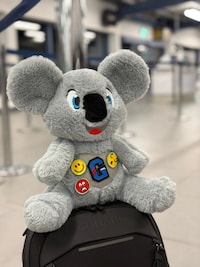
For Mental Health Awareness Month, specialty toy store Timeless Toys curated a special D.O.S.E of Play collection, featuring research-backed products that help to release four feel-good chemicals: dopamine, oxytocin, serotonin, and endorphins.
“We are seeing a significant shift in how parents approach the toy aisle this year,” said Flavia Pallozzi, assistant manager at Timeless Toys. “Families aren’t just looking for entertainment; they are looking for tools that help their children regulate emotions and manage the daily pressures of modern life. Whether it is the satisfying click of a logic puzzle or the tactile engagement of a fidget toy, these items provide a sense of control and calm that kids really need right now.”
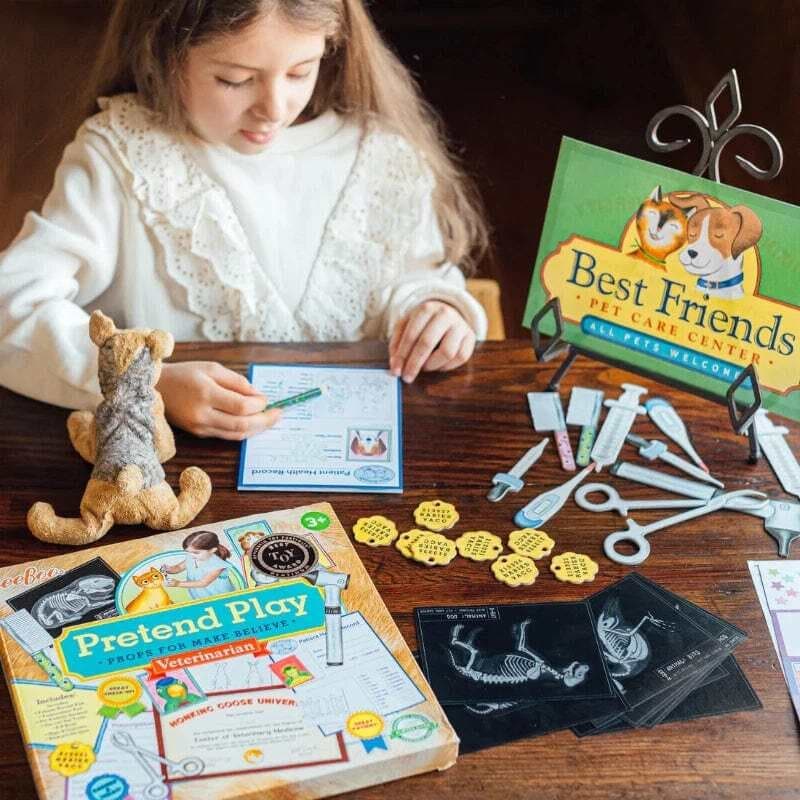
In this collection that focuses on sensory elements and emotional engagement, featuring products like eeBoo's Veternerian Pretend Play Set.
What Makes This Trend Stand Out
- Sensory-driven Toy Design
- A rise in toys engineered specifically for tactile, auditory, and visual stimulation points to products that modulate neurochemical responses for calming and focus.
- Mental-health Curated Retail
- Specialty shops assembling research-backed collections illustrate retail environments becoming personalized gateways to evidence-informed emotional support.
- Play-based Emotional Regulation
- Parents and caregivers increasingly favor toys that embed coping strategies and emotional literacy, suggesting play can serve as a low-friction platform for early self-regulation training.
Sectors Adopting This
- Specialty Retail
- Curated in-store and online assortments that prioritize therapeutic outcomes indicate a retail model centered on wellbeing credentials and guided discovery.
- Educational Products
- Learning materials and classroom aids that incorporate sensory mechanics and social-emotional learning reflect opportunities to fuse pedagogy with neuroscience.
- Pediatric Healthcare & Therapy
- Therapists and clinicians integrating play tools into assessments and interventions point to a future where product prescription complements clinical treatment plans.