Co-op Live, the United Kingdom's largest indoor arena and its only music-first venue, has undertaken a meaningful collaboration with the charity Guide Dogs to significantly enhance the experience for visitors living with sight loss. This move demonstrates a strong commitment to accessibility that extends well beyond physical infrastructure.
The partnership between Co-op Live and Guide Dogs has manifested in two complementary initiatives — specialized training for the arena's front-of-house and accessibility staff, and a socialization visit for a group of future guide dogs. The Sighted Guide training sessions provided by Guide Dogs equipped the venue's personnel with practical techniques and the confidence to offer effective assistance. This can mean safely escorting guests to their seats or directing them to various facilities.
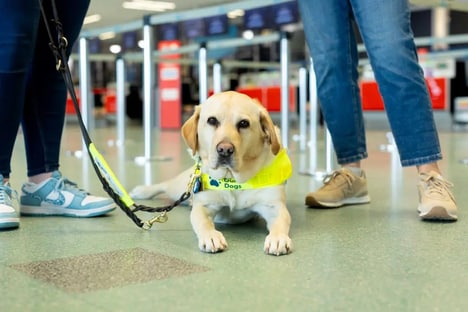
Complementing this human element, Co-op Live also hosted a dozen guide dog puppies accompanied by their volunteer raisers, allowing the young animals to acclimate to the overwhelming sights, sounds, and smells of a large, bustling public space. This is a crucial step in the development of these future guide gods.
Image Credit: Co-op Live
Key Themes Behind This Trend
- Inclusive Venue Training
- Specialized sighted-guide education positions accessibility as a core service layer, giving large venues a path to differentiate through confidence-building human support.
- Sensory-ready Service Animals
- Early exposure to high-density entertainment environments reveals a new model for preparing assistance animals for complex public spaces with intense sound, lighting, and crowd activity.
- Accessibility-led Fan Experience
- Music-first venues that integrate inclusive navigation, staff readiness, and guest support signal a broader shift toward experience design centered on underserved audiences.
Where This Applies
- Live Entertainment
- Arena operators are gaining new ways to compete by treating accessibility partnerships as part of the event experience rather than as a compliance function.
- Assistive Services
- Guide dog organizations and accessibility charities have an expanded role as strategic experience partners for public venues managing diverse visitor needs.
- Hospitality Training
- Front-of-house workforce development is evolving toward specialized accessibility skills that enhance service quality across entertainment, travel, and public accommodation settings.