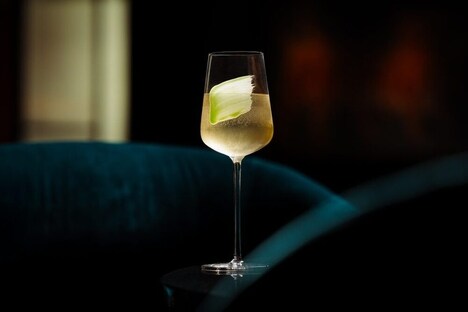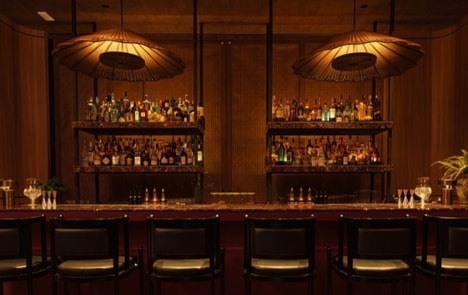
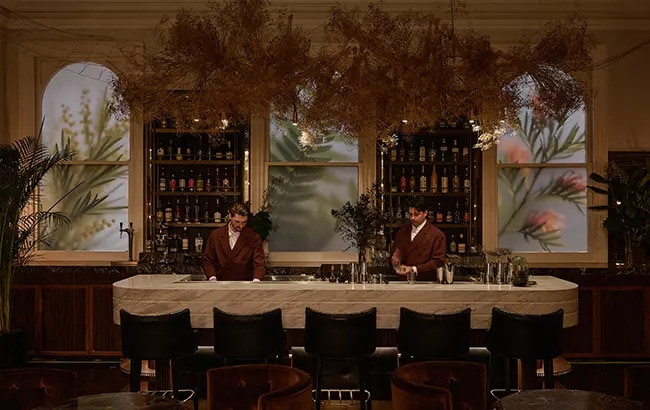
Hunter St Hospitality opened Bar Ferdinand above its steak restaurant 7 Alfred in Melbourne on 22 April, presenting a 21-seat cocktail bar that stages drinks as a walk through a fictional garden, featuring menus tied to plant collections such as Rose, Fern and Herb & Medicinal. Beverage director Ali Toghani and bar manager Greg Thompson created the concept to reference the building’s botanical history and Ferdinand von Mueller.
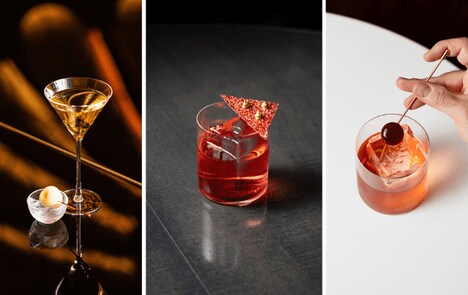
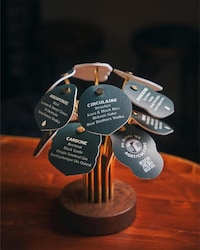
The menu frames each category as a persistent container while individual cocktails evolve with seasonality and produce. Early serves include a Fern cocktail with Cognac, kaolin clay, pu erh tea and petrichor, a Camellia steeped into fino Sherry, and an Oak drink aged via ultrasonic charred oak treatment.
Bar Ferdinand also offers two signatures—a House Martini and a reworked Japanese Slipper—plus a compact wine list and picnic-inspired small plates. This format matters because it turns botanical storytelling into a repeatable menu architecture, giving bartenders a durable creative system and consumers a changing, place-based tasting experience.
Image Credit: Hunter St Hospitality
Why This Trend Is Growing
- Botanical-driven Cocktail Narratives
- Creates opportunities for brands to extend storytelling into botanically themed product lines and packaged experiences that blur mixology and consumer retail.
- Seasonal Menu Containers
- Positions a repeatable architecture where persistent category frames host rotating, provenance-led recipes that can scale across venues and formats.
- Sensory-driven Bar Experiences
- Enables multisensory staging—aroma, texture and sound—to become distinguishing service features that redefine guest expectations of beverage experiences.
Industries Being Reshaped
- Hospitality and Nightlife
- This sector can be reshaped by venue concepts that trade one-off novelty for durable, place-based narratives that encourage repeat visitation.
- Beverage and Distilled Spirits
- Distillers and brands may find new product niches through botanical-driven formulations and novel aging or infusion techniques showcased in experiential bars.
- Culinary Tourism
- Local food-and-drink itineraries can pivot toward plant-focused storytelling, turning historic flora and terroir into marketable destination experiences.