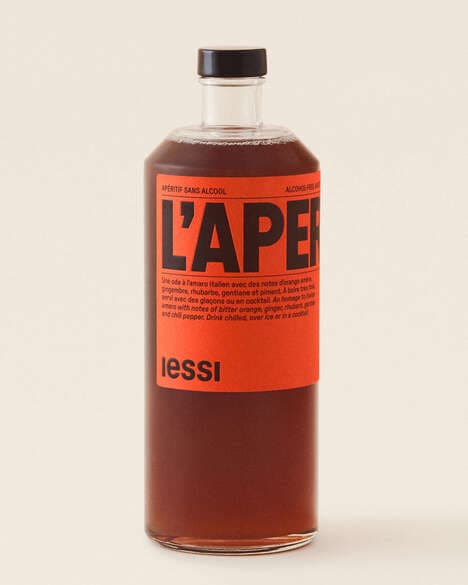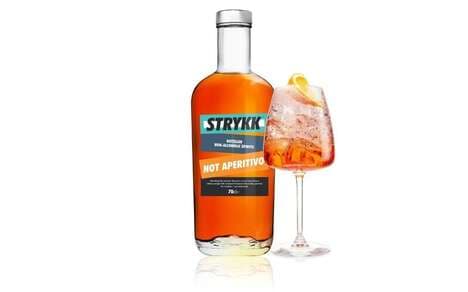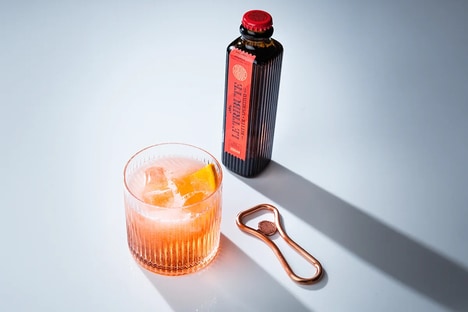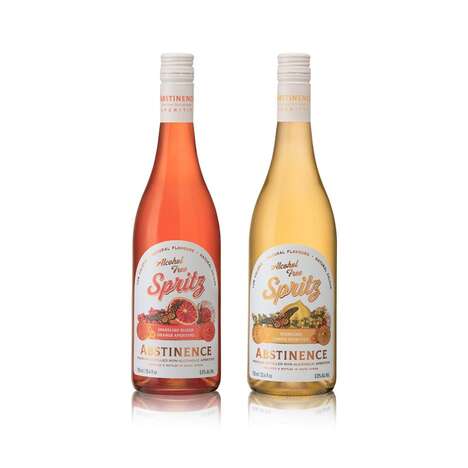
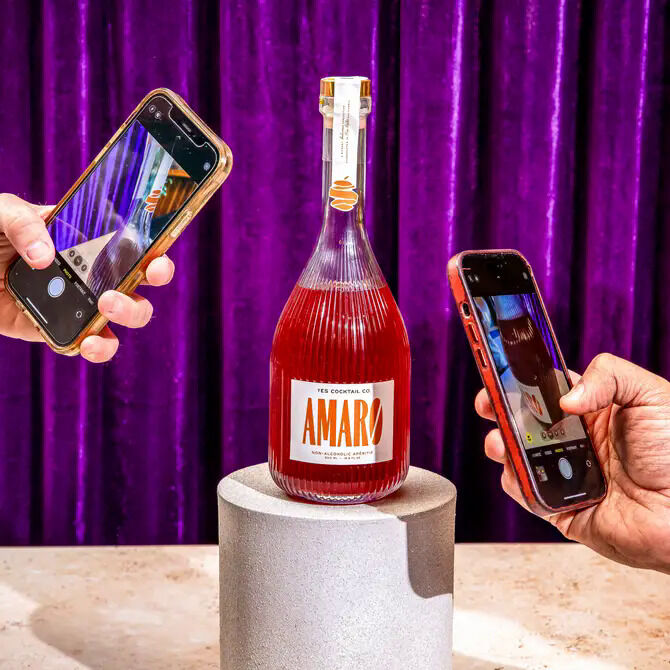
The demand for aperitifs and zero-proof options has converged in a new product from Yes Cocktail Co., Amarø, offering a sophisticated, alcohol-free alternative for those seeking the ritual and flavor of traditional pre-dinner drinks without the buzz. This zero-proof aperitif is made with premium herbs, spices and botanicals in a similar style to a red Italian aperitif that's popular for its bright, bitter flavors and bold color.
To serve, Yes Cocktail Co. recommends trying Amarø with soda water to create a quick and simple spritz, or champagne for a low-ABV spritz. Yes Cocktail Co. also offers other inspiring recipes for alcoholic and non-alcoholic serves on its site.
Alcohol-free aperitifs are revolutionizing social drinking occasions and dinners by offering a delightful and inclusive alternative that caters to diverse preferences and lifestyles.
Why This Trend Is Growing
- Zero-proof Aperitifs
- Presenting a sophisticated alternative to traditional pre-dinner drinks, zero-proof aperitifs are gaining popularity for their flavorful and inclusive options.
- Botanical Beverage Innovations
- Products made with premium herbs, spices, and botanicals introduce a new level of craftsmanship and taste to the non-alcoholic beverage market.
- Inclusive Social Drinking
- Offering alcohol-free alternatives, such as Yes Cocktail Co.'s Amarø, transforms social occasions by accommodating diverse drinking preferences without sacrificing ritual or experience.
Industries Being Reshaped
- Non-alcoholic Beverages
- The growing demand for sophisticated zero-proof drinks creates an expanding market for innovative non-alcoholic beverages.
- Herbal Products
- Using premium herbs and botanicals in beverage creation showcases the potential for enhanced flavors and health benefits in the herbal products industry.
- Hospitality
- The hospitality sector can expand its offerings with creative and inclusive alcohol-free beverage options, adapting to changing consumer preferences.