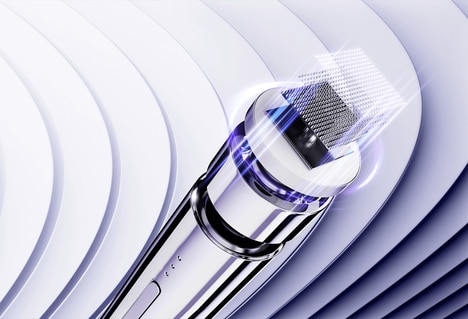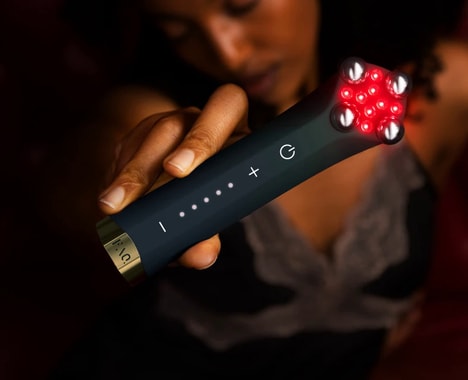
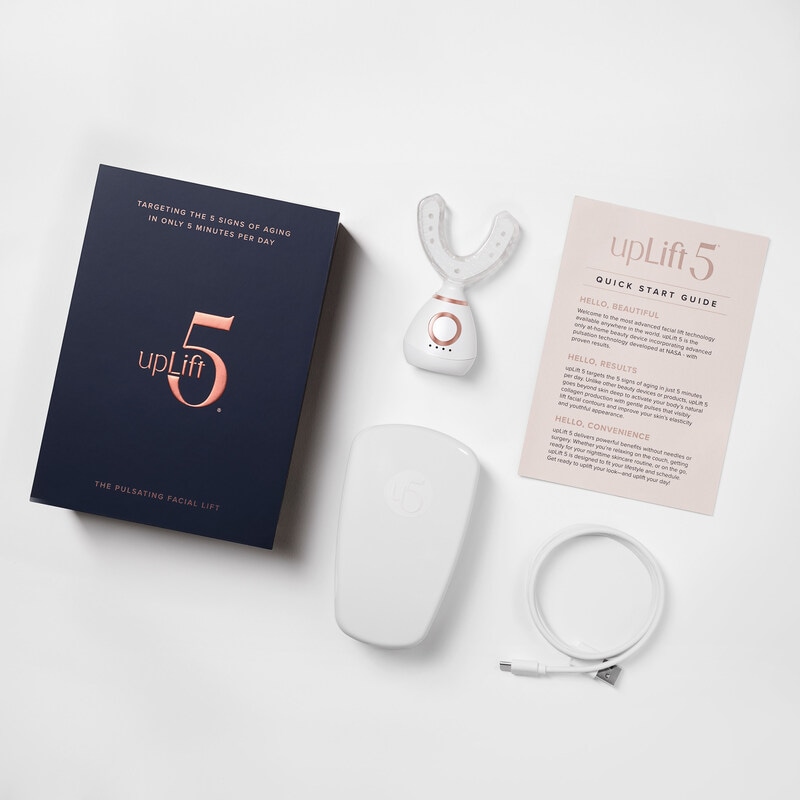
Based on technology developed at NASA to maintain the skeletal structure of astronauts in space, upLift 5 is a breakthrough at-home anti-aging beauty device. This non-invasive solution taps into the power of advanced u5 Nano-Pulse technology and applies High-Frequency Low-Magnitude Vibration (HFLMV) to reverse visible signs of aging with just five minutes of daily use.
This device offers a non-invasive approach for enhancing facial bone structure, toning and sculpting facial muscles, and contouring and lifting facial and neck skin from within, as well as targeting hard-to-reach areas around the lips and eyes.
This doctor-approved, patent-pending technology goes beyond the surface and specifically impacts osteoblasts (cells that form new bone) and fibroblasts (cells in connective tissue, facial skin, and muscle).
What's Driving This Trend
- Non-invasive Beauty Solutions
- Innovative beauty devices are revolutionizing skincare by offering non-invasive methods that deliver salon-like results at home.
- Nasa-inspired Health Technologies
- Collaborations with space research are inspiring new applications in health and beauty sectors, built on advanced technologies like High-Frequency Low-Magnitude Vibration.
- Targeted Cellular Skin Treatments
- Emerging beauty devices focus on stimulating cells such as osteoblasts and fibroblasts to achieve significant anti-aging effects.
Who This Affects Most
- Beauty and Personal Care
- The beauty sector is increasingly integrating space-age technologies to create advanced skincare solutions that cater to at-home consumers.
- Health and Wellness
- Health industries are leveraging breakthroughs in non-invasive technology to broaden consumer access to professional-level treatments.
- Consumer Electronics
- The rise of high-tech beauty gadgets reflects a growing industry trend towards smart devices that enhance everyday personal care routines.