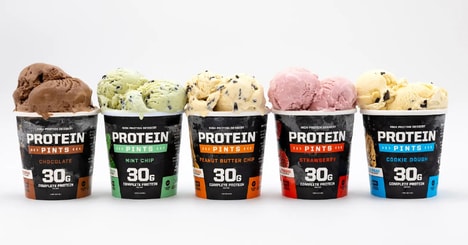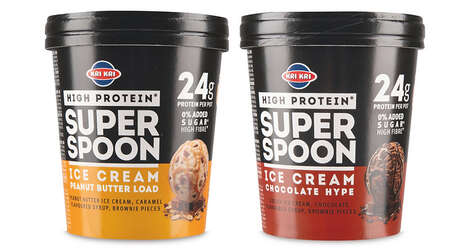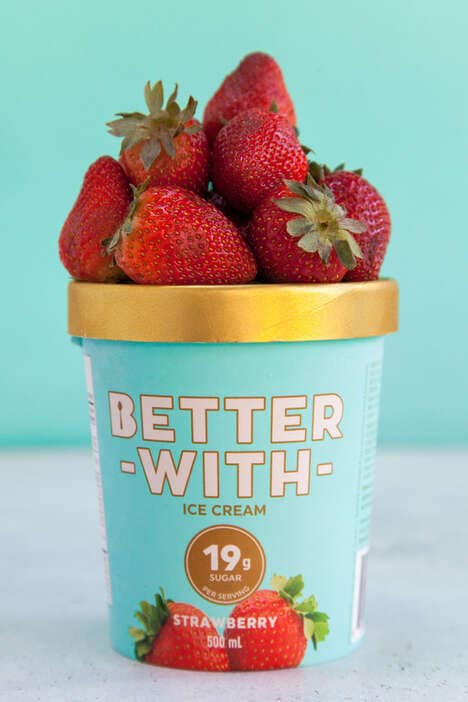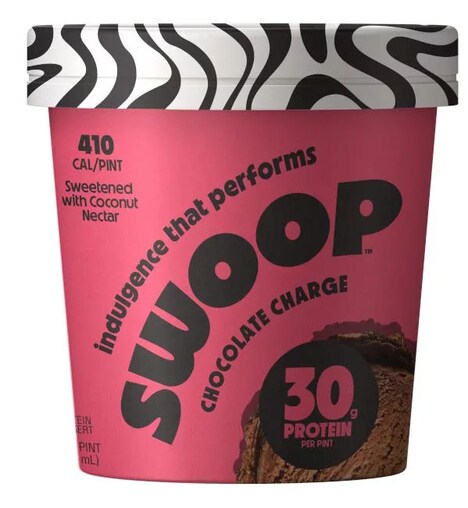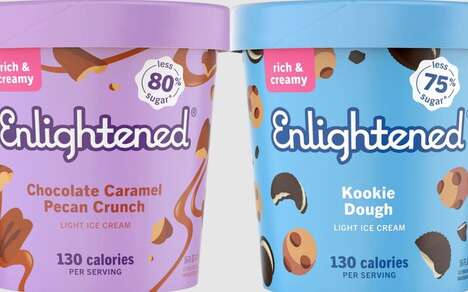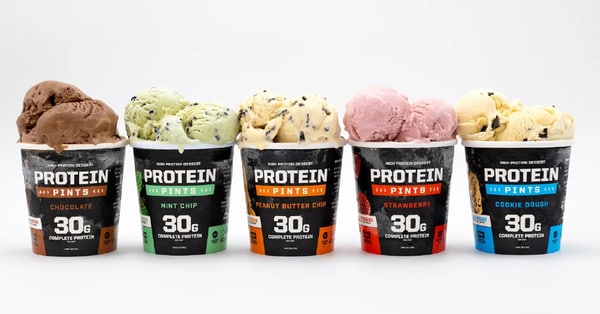
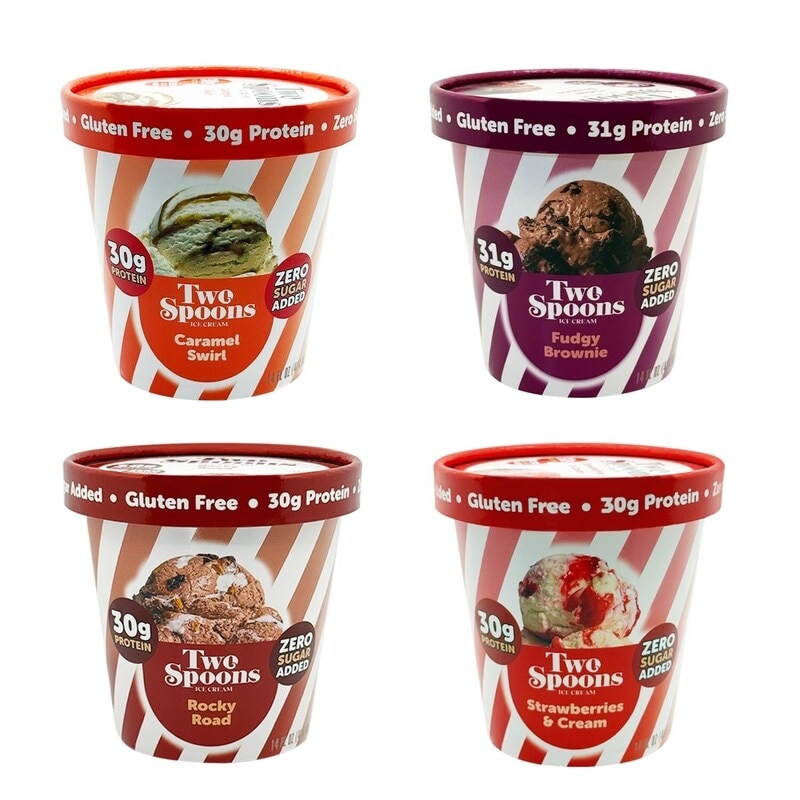
Two Spoons Creamery is bringing a first-of-its-kind innovation to the frozen dairy category: high-protein ice cream with zero added sugar and GLP-1-friendly ingredients. Instead of added sugar or sugar alcohols, this ice cream gets sweetness from allulose, an all-natural, low-calorie sweetener that studies show can trigger the release of GLP-1.
Two Spoons Ice Cream is now available in four flavors full of mix-ins: Strawberries & Cream, Caramel Swirl, Fudgy Brownie, and Rocky Road. "We spent a full year just working on our Rocky Road, a truly unique flavor in this category," said Rich Ferreira, Two Spoons co-founder, "It's a decadent chocolate ice cream swirled with super fudgy brownies, toasted nuts and tons of our original marshmallow fluff. The whole thing is gluten-free and packs 30g of protein."
What's Driving This Trend
- Glp-1-friendly Foods
- Innovations in GLP-1-friendly foods create new functional categories within the health and wellness market, focusing on metabolic-regulating ingredients.
- Zero-sugar Desserts
- The emergence of zero-sugar desserts aligns with growing consumer demand for healthier indulgence, leveraging sweeteners like allulose to replace traditional sugar.
- High-protein Foods
- As the trend of high-protein foods continues, new products are being developed that cater to protein-conscious consumers looking for more nutritious snack options.
Who This Affects Most
- Functional Foods
- The functional foods industry expands as products incorporate ingredients that offer specific health benefits like GLP-1 stimulation, targeting metabolic health.
- Sweetener Manufacturing
- The sweetener manufacturing industry sees potential growth as natural, low-calorie sweeteners such as allulose gain popularity among health-conscious consumers.
- Frozen Dessert Manufacturing
- Frozen dessert manufacturing becomes a hotbed for innovation with the rise of dietary-specific options catering to sugar-free and high-protein preferences.