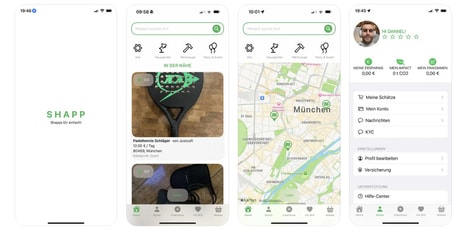
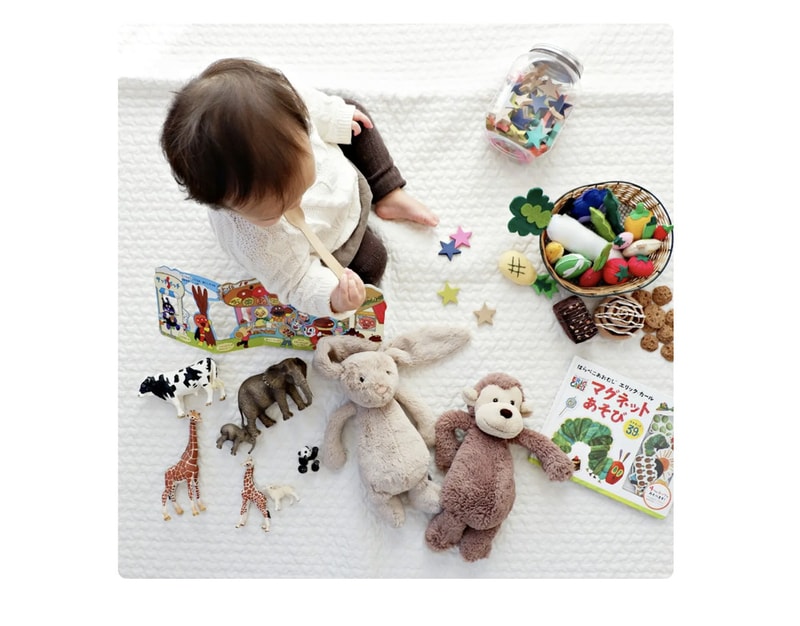
Toy Trader App is a digital marketplace designed for families to exchange toys, clothing, and gear without using cash. Users earn coins by listing items, engaging with the platform, or sharing it with others. These coins can then be spent on items from other families either locally or via mail, creating a circular exchange system.
The platform facilitates decluttering while providing an alternative to traditional purchasing, supporting sustainable consumption and community engagement. Its coin-based economy encourages participation and rewards activity, while its parent-to-parent model emphasizes trust and local connection. Toy Trader App is designed to simplify trading logistics, allowing users to manage their listings, track coin balances, and discover items easily, with the platform acting as a mediator for safe exchanges.
Image Credit: Toy Trader App
Key Themes Behind This Trend
- Circular Toy Economy
- A shift toward treating children’s items as reusable assets creates scope for platforms that monetize longevity and sharing instead of single-sale revenue.
- Coin-based Community Marketplaces
- Platforms using internal token systems to reward participation and mediate value introduce alternatives to fiat payments and loyalty programs within local ecosystems.
- Parent-to-parent Trust Networks
- Peer-led verification and reputation layers around family-to-family exchanges enable lower-friction, high-trust transactions that can supplant traditional retail provenance.
Where This Applies
- Secondhand Retail
- Resale channels focused on families could be transformed by integrated exchange currencies and curated local inventories that divert demand from new-product supply chains.
- Children's Product Logistics
- Logistics services oriented to low-cost, high-frequency item transfers and sanitization for children’s gear present opportunities to redefine last-mile and reverse logistics economics.
- Family Tech Platforms
- Digital services combining community management, in-app economies, and safety tooling can create new subscription and transaction models tailored to household lifecycle needs.