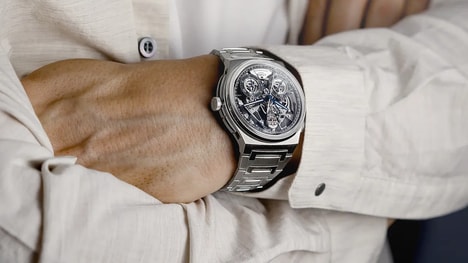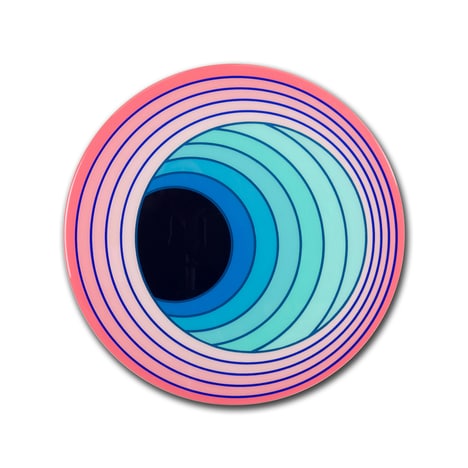
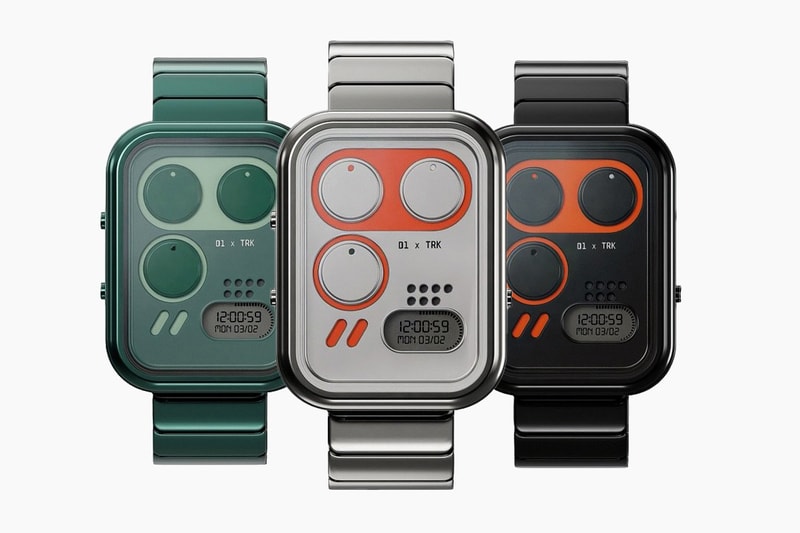
The D1 Milano x Peter Tarka: The Impossible Watch has been developed through a partnership as a wearable work of art that takes an abstract approach to accessory design.
The timepiece prioritizes a robotic industrial aesthetic that's at once inherently modern, but also friendly enough to be comfortably worn all day. The watch will communicate the time and date to the wearer in a slightly cryptic way that includes spinning discs accented by dots to require the wearer to decode it to be read. The timepiece is also accented by an LCD for quick reading when time is literally of the essence.
The D1 Milano x Peter Tarka: The Impossible Watch is being launched as part of a Kickstarter campaign in seven color options including White Space, Orange Pulse, Black Orbit and Green Dimension.
Image Credit: D1 Milano
Why This Trend Is Growing
- Cryptic Time Displays
- Abstract interfaces that require interpretation create premium differentiation by turning routine timekeeping into a more engaging, collectible user experience.
- Wearable Digital Art
- Artist-led accessory collaborations blur the line between functional product and gallery object, opening space for limited-edition wearables with cultural value beyond utility.
- Crowdfunded Designer Drops
- Kickstarter-style launches provide a market-testing model for unconventional design concepts, reducing risk while building early communities around niche aesthetics.
Industries Being Reshaped
- Watchmaking
- Experimental dial mechanics and hybrid LCD features expand traditional watch design into interactive formats that appeal to consumers seeking novelty and self-expression.
- Wearable Technology
- Fashion-forward devices with subtle digital functionality signal opportunities for technology products that prioritize emotion, identity and design over pure performance.
- Fashion Accessories
- Industrial robotic styling paired with bold colorways positions accessories as statement objects, creating room for brands to compete through artistic scarcity and experiential design.