To address four of the most common health concerns in dogs, JustFoodForDogs launched a Targeted Nutrition line with four human-grade recipes backed by over a decade of veterinary research to address sensitive stomach, sensitive skin, weight management and joint health.
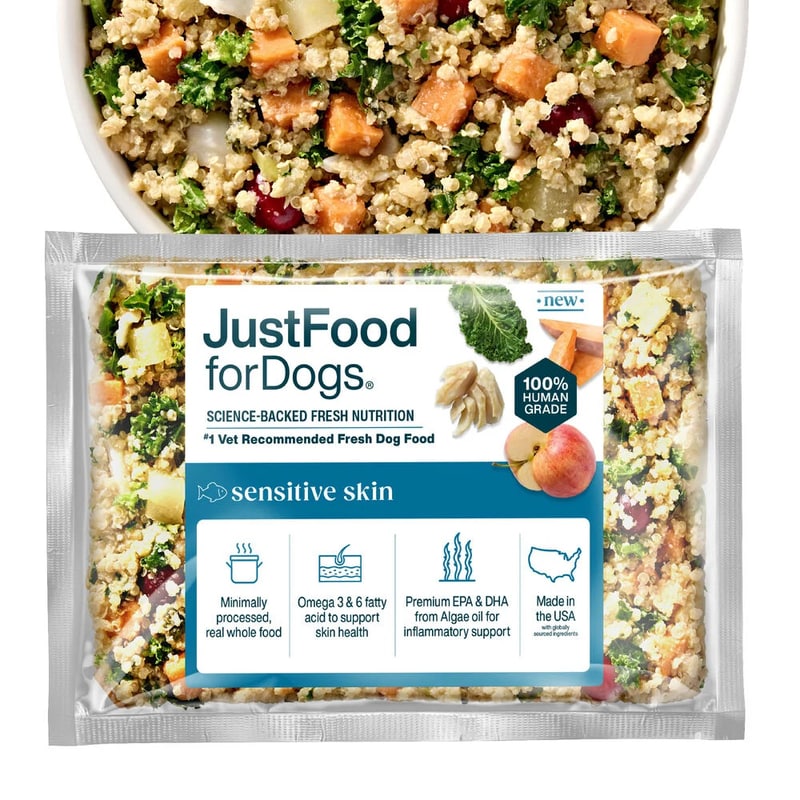
Joining an improved Joint & Skin recipe now with glucosamine to help maintain and support mobility, the Targeted Nutrition lineup introduces Sensitive Stomach, Sensitive Skin and Healthy Weight formulas. While supporting dogs' day-to-day and long-term health, pet parents can appreciate that the line makes the most of fresh, whole-food ingredients that are highly digestible and packed with readily available nutrients. The minimally processed Sensitive Skin formula, for example, is legume-free and fueled by whitefish, Omega-3 and 6 fatty acids, sweet potato and quinoa.
Key Themes Behind This Trend
- Human-grade Pet Nutrition
- Premium, human-grade formulations backed by veterinary research can command higher prices and stronger trust from pet owners seeking food quality parity with their own diets.
- Targeted Therapeutic Formulas
- Personalized recipes addressing specific conditions such as sensitive stomachs, skin issues, weight, and joint health open avenues for condition-specific product lines and subscription care models.
- Minimally Processed Functional Ingredients
- Clean-label, whole-food ingredients like whitefish, sweet potato, quinoa, and added nutraceuticals such as glucosamine present opportunities to differentiate via ingredient provenance and demonstrable efficacy.
Where This Applies
- Pet Food Manufacturing
- Manufacturers that integrate human-grade production standards and clinical formulation processes may capture growth in the premium pet nutrition segment.
- Veterinary Health Technology
- Diagnostics and data-driven platforms that link veterinary research to individualized diet recommendations can enhance treatment outcomes and long-term health monitoring.
- Ingredient Sourcing and Supply Chain
- Transparent, traceable supply chains for high-quality proteins and functional ingredients can become a competitive differentiator as consumers prioritize provenance and sustainability.