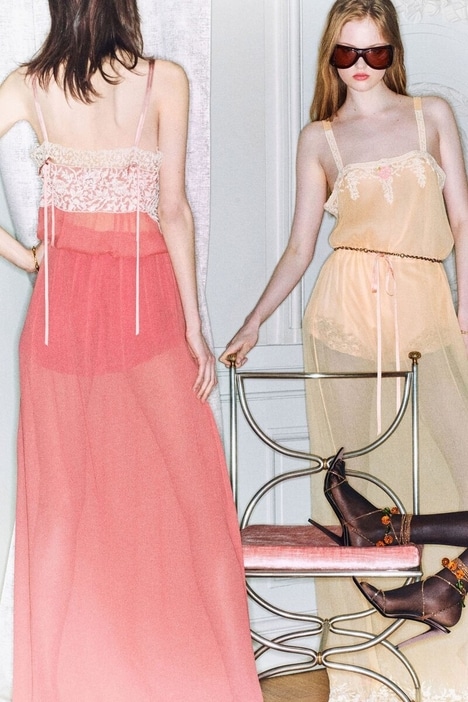
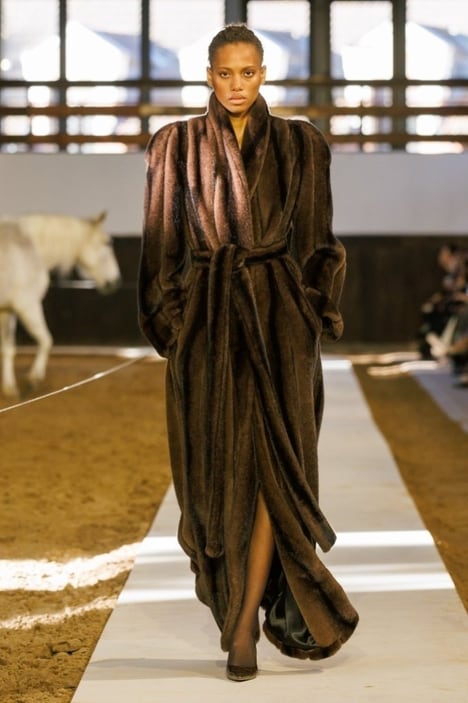
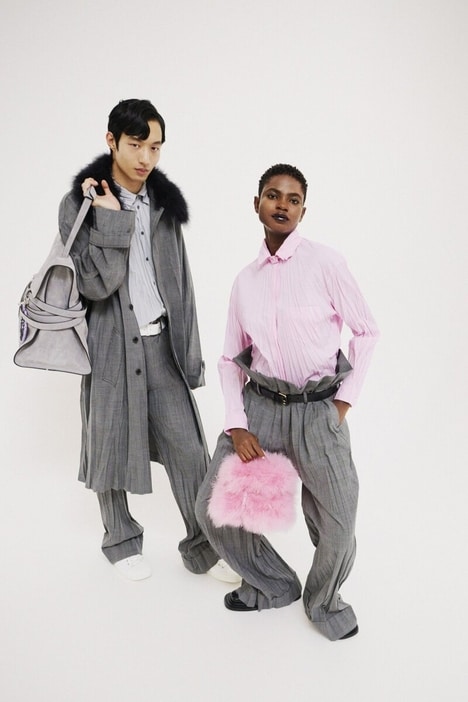
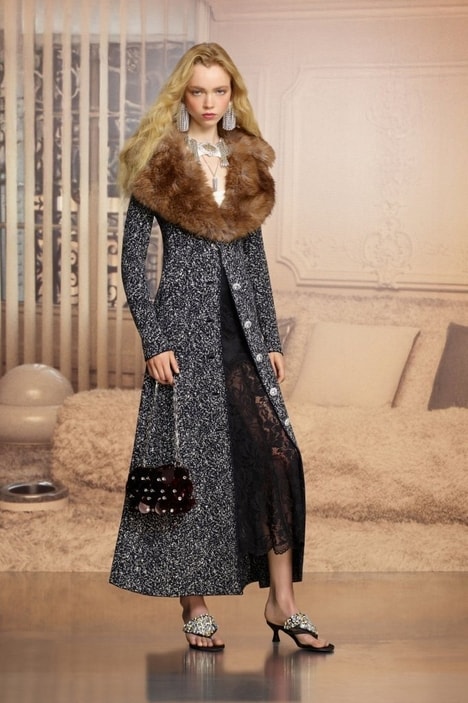
Stella McCartney's Resort 2027 Collection stands as a milestone release that commemorates the brand's 25th anniversary while advancing its commitment to sustainable luxury through the use of 93% responsible materials.
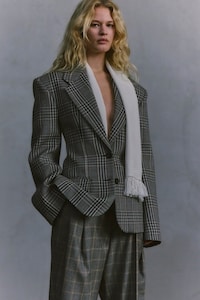
The new capsule represents an evolution of the house's signature 'Stella' wardrobe as it reinterprets the interplay of softness and strength, glamour and ease, through a contemporary lens that balances archival influences with forward-looking innovation. Standout pieces in the Resort 2027 Collection range from oversized Savile Row tailoring in certified wool and architectural organic cotton denim to slouchy responsible wool knits and forest-friendly viscose eveningwear. References to the 1980s and 1990s emerge through hand-stitched taffeta constructions, sculptural ruffles, and tuxedo silhouettes, while lead-free crystal-embellished bags draw inspiration from childhood memories of Linda McCartney's window prisms, and sharp tailoring pays homage to the designer's formative years studying under Edward Sexton.
Image Credit: Stella McCartney
Key Themes Behind This Trend
- Responsible Luxury Materials
- High percentages of certified wool, organic cotton, forest-friendly viscose, and other responsible inputs signal a market shift where premium desirability is increasingly tied to transparent material innovation.
- Archival Sustainability
- Historic silhouettes and brand codes gain new commercial relevance when reinterpreted through low-impact fabrics, creating space for luxury houses to modernize heritage without relying on traditional production models.
- Ethical Embellishment
- Lead-free crystals and conscious decorative details point to a growing category of high-glamour accessories that preserve visual impact while reducing toxic material dependencies.
Where This Applies
- Luxury Fashion
- Anniversary collections built around responsible materials illustrate how prestige brands can differentiate through sustainability metrics as much as craftsmanship, exclusivity, and design legacy.
- Sustainable Textiles
- Demand from luxury labels for certified wool, organic denim, and forest-friendly viscose strengthens the role of advanced textile suppliers as key partners in premium fashion innovation.
- Fashion Accessories
- Crystal-embellished bags and refined evening pieces made with safer components reveal a premium accessories segment shaped by material accountability, emotional storytelling, and collectible design.