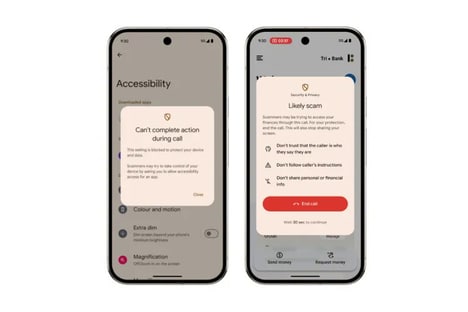

Google announced a shift in Play Store economics and distribution after settling with Epic Games, introducing a 20% service fee for in-app purchases and an optional 5% charge for using Google’s billing system. The company also unveiled the Registered App Stores program, designed to let approved third-party stores offer a smoother install flow while meeting quality and safety requirements.
The update included regional rollout timing and developer incentives: the new fees will apply in the U.S., U.K. and EEA by June 30, 2026, with later dates for other markets. Google detailed developer programs such as an Apps Experience Program and a revamped Play Games Level Up that change commission rates for new installs and existing installs based on participation.
For consumers and developers, lower base fees and easier access to alternative stores could mean cheaper app experiences, more competition and broader distribution options on Android. The move signals a broader platform trend toward unbundling store control and enabling competing ecosystems while keeping safety standards for approved stores.
Image Credit: ymgerman / Shutterstock
Key Themes Behind This Trend
- Lower App-store Commissions
- Reduced platform fees create room for alternative monetization models and niche storefronts that can undercut incumbent pricing structures.
- Third-party Store Ecosystems
- Approved external app stores enable parallel distribution channels that fragment user acquisition and foster differentiated storefront experiences.
- Developer Incentive Segmentation
- Variable commission rates tied to programs and installs allow platforms to reward growth behaviors and spawn specialized services tailored to high-value developer cohorts.
Where This Applies
- Mobile App Distribution
- A multi-store Android environment reshapes market share dynamics and encourages novel aggregator and discovery services.
- Fintech Payments for In-app Purchases
- New billing options and lower fees open space for payment processors and wallet providers that optimize fee-sharing and cross-border settlement.
- Cybersecurity and App Vetting
- Stricter quality and safety requirements for registered stores elevate demand for automated vetting, runtime monitoring, and trust-attestation solutions.